
Lucidea’s Lens: Knowledge Management Thought Leaders Part 70 – Jay Cross

Stan Garfield

The late Jay Cross (1944-2015) championed the cause of informal learning in business settings. He was the Johnny Appleseed of informal learning. The Internet Time Alliance, which he chaired, helps corporations and governments use networks to accelerate performance.
Jay challenged conventional wisdom about how adults learn since designing the first business degree program offered by the University of Phoenix. A champion of systems thinking, Jay’s calling was to create happier, more productive workplaces. He was the first person to use the term “eLearning” on the web.
Jay was a change agent, futurist, speaker, and author. He distilled lessons from cognitive science, social networking, business strategy, futures research, and psychology.
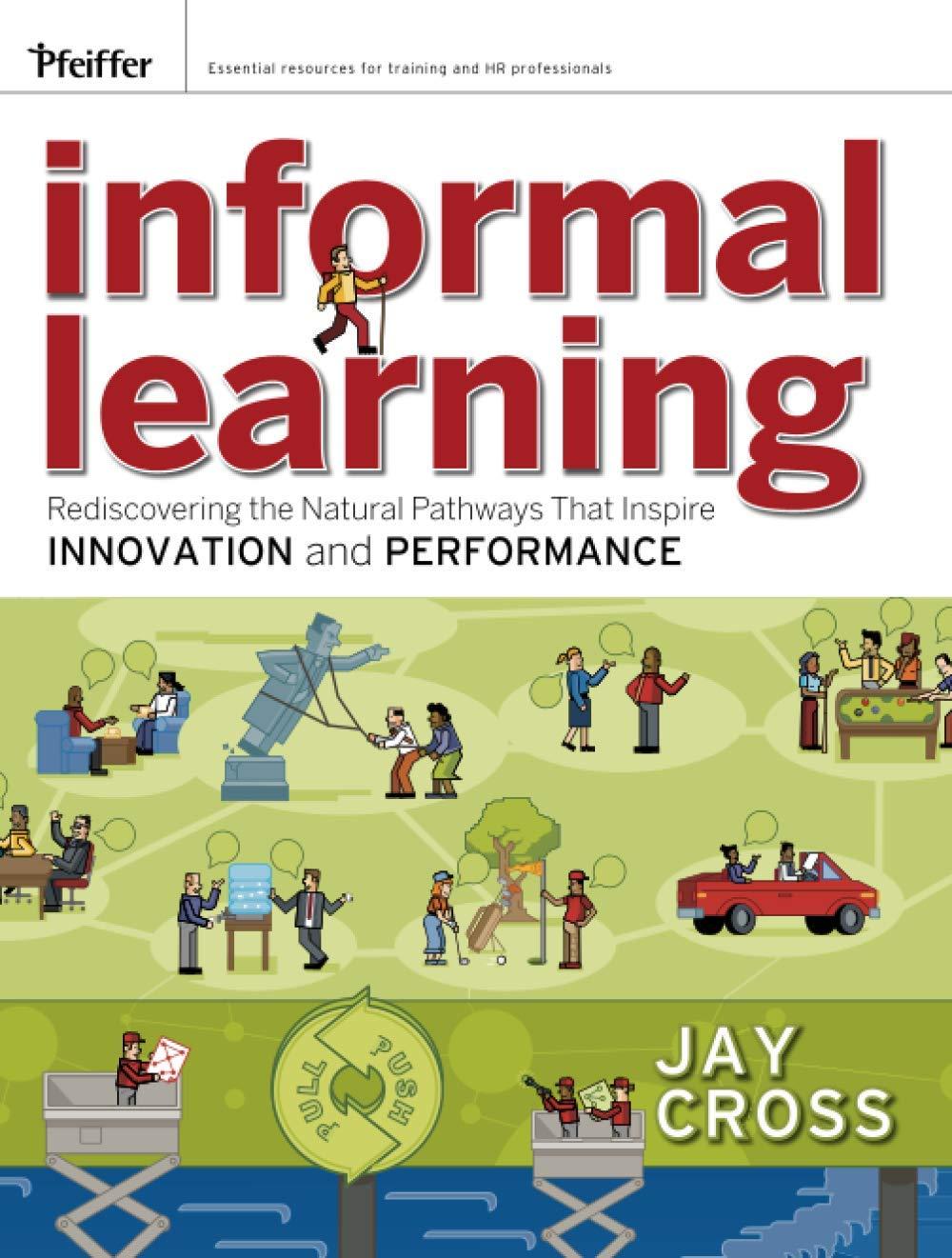
Selected Books

The Rise of Informal Learning
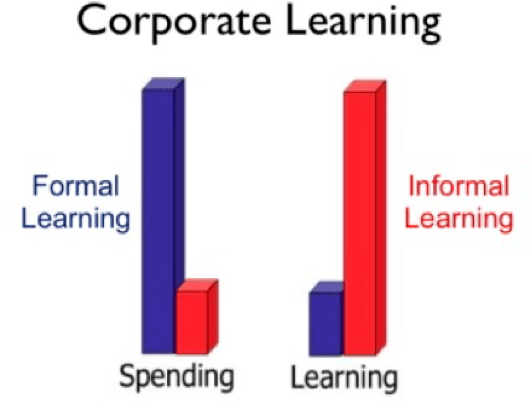
Research showed that 80+% of the way people learn their jobs is informal. I asked why, if Informal Learning was carrying more of the load, did organizations invest most of their spending on Learning and Development on formal learning? Profit oriented managers were intrigued, but they didn’t know what to do about it. It was an emperor’s new clothes moment.
Real Learning: Learning For Everyone
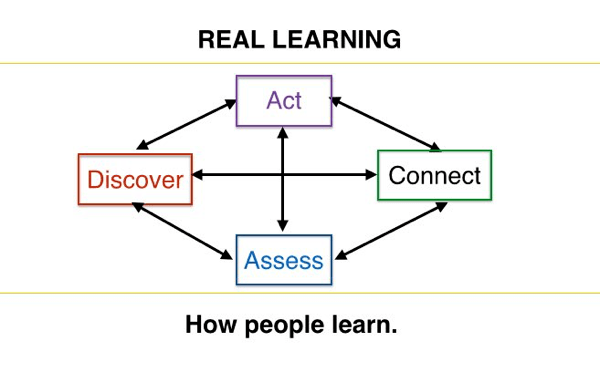
First Principles
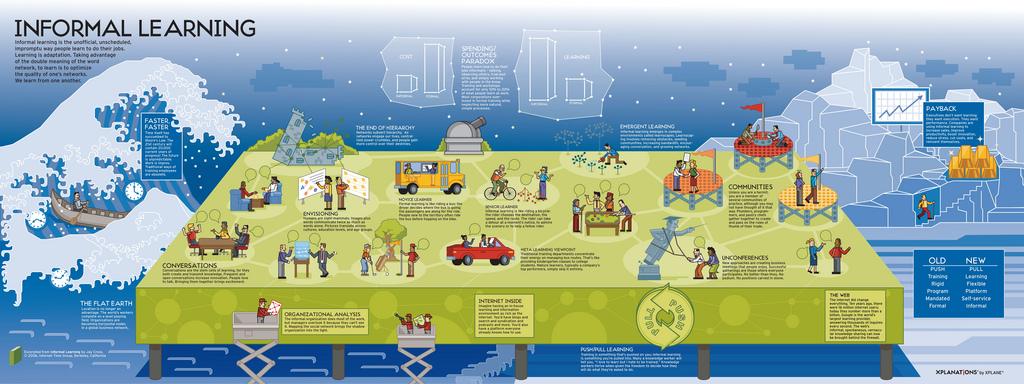
- Most learning is self-directed. Give people the freedom to chart their course. Make sure resources are readily available and easy to find.
- Set high expectations, and people live up to them. Help people make sense of and prosper in the world and the workplace. Facilitate social networks that enable people to compare their situation with others.
- Conversations are the stem cells of learning. Foster open, frequent, frank conversations both virtually and in person. Praise courageous conversations.
- People learn by doing. Encourage experimentation.
- Ensure that managers and mentors understand the impact of stretch assignments. Learning is experiential, and stretch assignments give learners new experiences.
- Teach people the least they need to know to tackle things on their own.
- Make it drop dead simple to access people in the know, the lessons of experience, how-to information, and performance support.
- Learning is social. Encourage participation in communities. Make collaboration the norm. Narrate your work and share with others. Communities and guilds create and consume knowledge. If you don’t have a vibrant social network, create one.
- More than half of us work part of our time outside of the office. Ensure support is mobile.
- We want what we want, no more. Whenever possible, provide choices. Give employees the pieces to create personalized learning experiences.
- Learning is for everyone, not just novices and up-and-comers. You can’t expect to prosper without it. Make sure everyone’s covered.
- Learning takes reinforcement to stick. Seek feedback. Blog, tweet, and otherwise share your reflections. Revisiting what you learn fixes it in memory.
- Innovation is born of mashing up concepts from different disciplines. Encourage looking outside the box.
- Provide feeds for what’s going on in the team, the department, the company, the industry, and technical disciplines.
- People confuse learning with school. Build lessons on learning how to learn into the organization.
Real Learning: Bottom-Up Learning from the Top Down
An organization moving from a traditional structure to an organic one is in an ideal position to embed real learning and working smarter into its culture.
|
Traditional Structure |
Organic Structure |
Stan Garfield
Please enjoy Stan’s blog posts offering advice and insights drawn from many years as a KM practitioner. You may also want to download a free copy of his book, Lucidea’s Lens: Special Librarians & Information Specialists; The Five Cs of KM from Lucidea Press, and its precursor, Proven Practices for Implementing a Knowledge Management Program. Learn about Lucidea’s Presto, SydneyEnterprise, and GeniePlus software with unrivaled KM capabilities that enable successful knowledge curation and sharing.
Never miss another post. Subscribe today!
Similar Posts

The KM Mentor, Part 9: Knowledge Management Certification
KM expert analysis and recommendations for knowledge management training and professional development that help build skills in a variety of specialties under the KM rubric.

The KM Mentor, Part 8: Top Knowledge Management Trends 2026
The intersection of AI and KM allows knowledge managers to inject the best KM into high-priority organizational AI initiatives; Stan Garfield’s review of 8 Top KM Trends 2026.

The KM Mentor, Part 7: What Can a Knowledge Manager Accomplish Without a Budget?
No budget for KM? Stan Garfield shows how 20 KM components and the Five Cs let you demonstrate value using only time and effort, and build the case for investment.

The KM Mentor, Part 6: The 10 Biggest Mistakes New Knowledge Managers Make
KM expert Stan Garfield offers his analysis of the 10 strategic mistakes it’s easy to make as a new knowledge manager, with practical options to proactively prevent them.
Leave a Comment
Comments are reviewed and must adhere to our comments policy.
0 Comments