
Summer Reading Recommendations: Generative AI and the Next Generation of Libraries

Lauren Hays
I have shared summer reading recommendations for the past couple of years, and I want to do that again this year. The books I selected are ones I have recently read or will be reading this summer
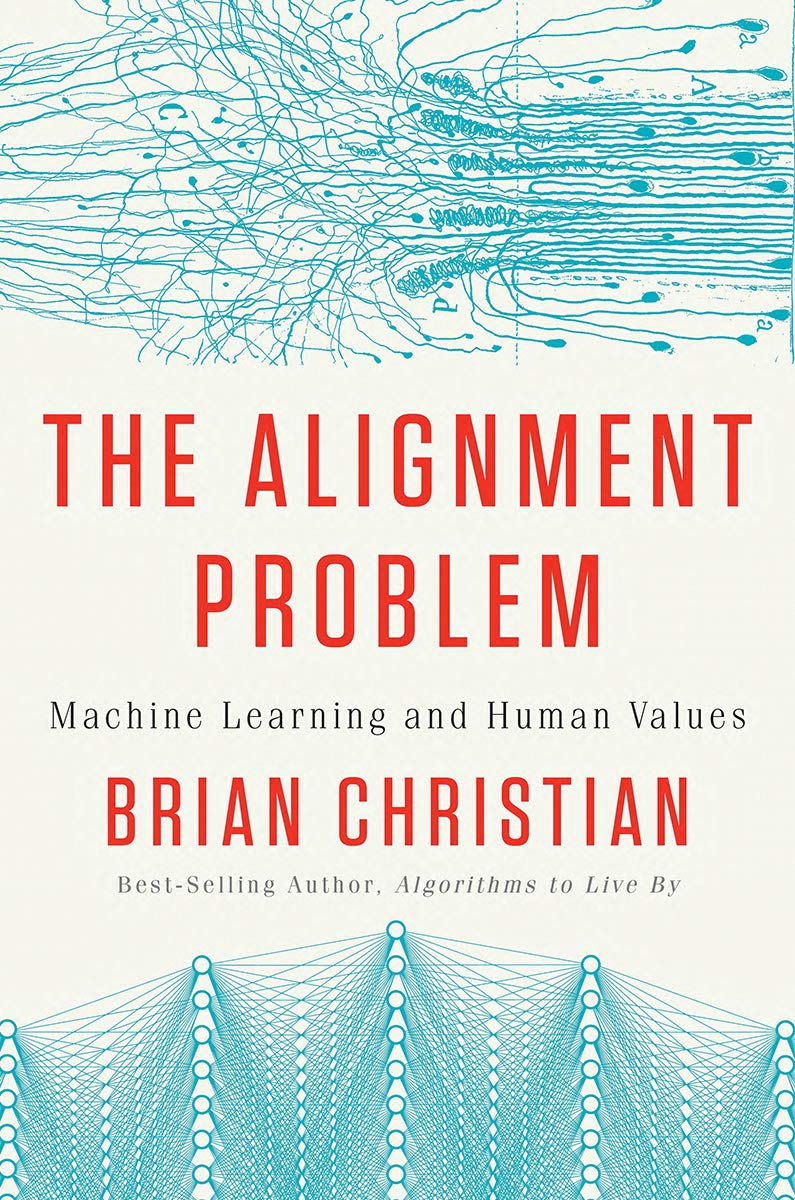
1. The Alignment Problem by Brian Christian
“The Alignment Problem offers an unflinching reckoning with humanity’s biases and blind spots, our own unstated assumptions and often contradictory goals. A dazzlingly interdisciplinary work, it takes a hard look not only at our technology but at our culture―and finds a story by turns harrowing and hopeful.”
If you want to understand many of the issues surrounding generative AI, this book is for you. I read it slowly to digest what it was saying and to think about how the issues apply in my everyday use of AI
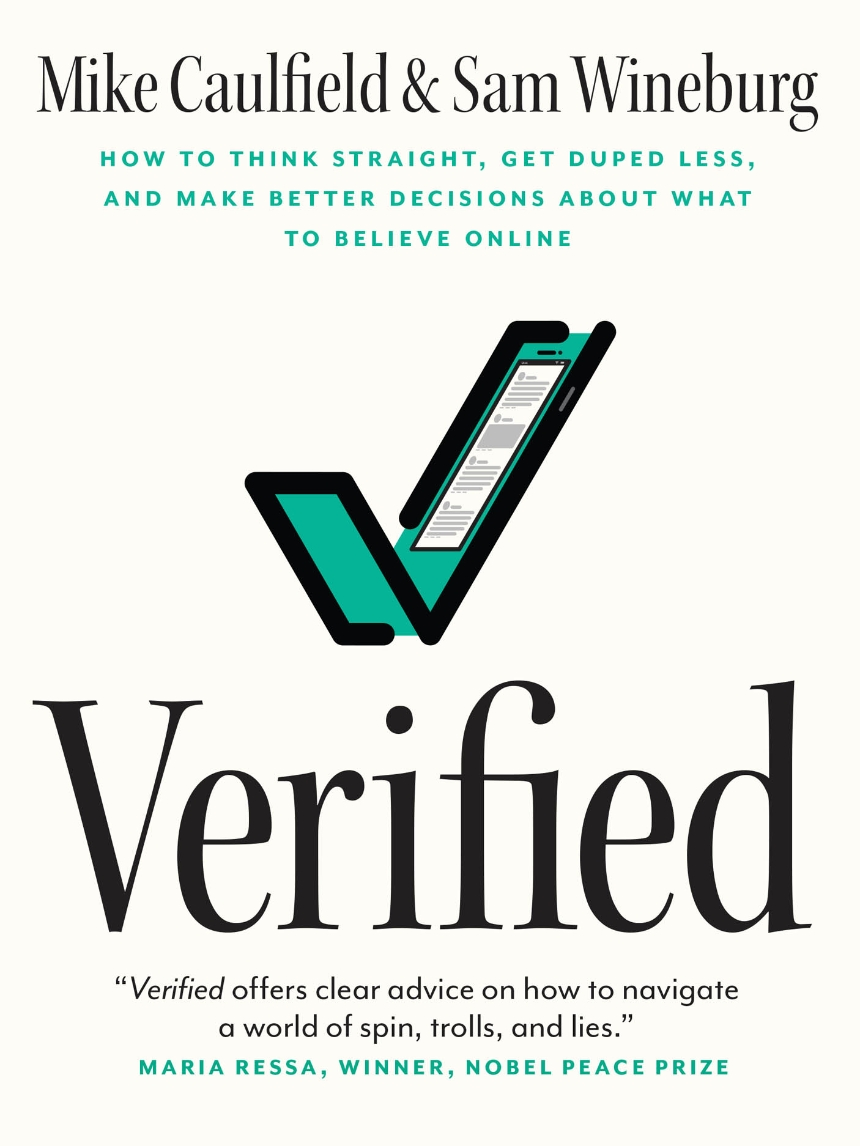
2. Verified: How to Think Straight, Get Duped Less, and Make Better Decisions about What to Believe Online by Mike Caulfield and Sam Wineburg
“Building on techniques like SIFT and lateral reading, Verified will help students and anyone else looking to get a handle on the internet’s endless flood of information through quick, practical, and accessible steps.”
This book just arrived, but it is on my reading list, and I am excited to dive into it I appreciate Caulfield’s SIFT method and the reviews for this book have been very good
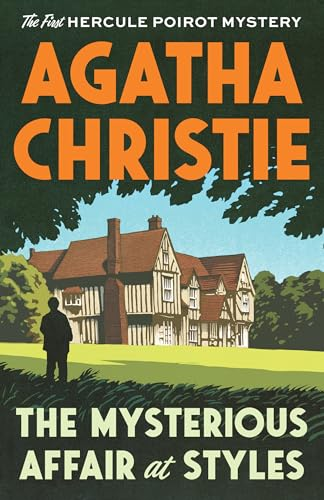
3. The Mysterious Affair at Styles by Agatha Christie
I read this book last summer and loved it. It was admittedly my first Agatha Christie novel, and even though it is difficult for me to find time to read novels these days, I will make time to read another one this summer
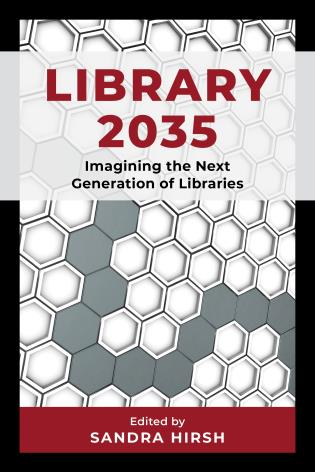
4. Library 2035: Imagining the Next Generation of Libraries edited by Sandra Hirsch
“Building on the success and impact of Library 2020: Today’s Leading Visionaries Describe Tomorrow’s Library by Joseph Janes, Library 2035: Imagining the Next Generation of Libraries updates, expands upon, and broadens the discussions on the future of libraries and the ways in which they transform information services to best serve their communities.”
I have not read this book yet, but it is on my summer reading list. I hope some of you will join me in reading it!
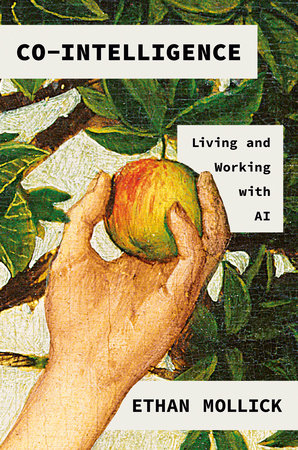
5. Co-Intelligence: Living and Working with AI by Ethan Mollick
“In Co-Intelligence, Mollick urges us to engage with AI as co-worker, co-teacher, and coach. He assesses its profound impact on business and education, using dozens of real-time examples of AI in action. Co-Intelligence shows what it means to think and work together with smart machines, and why it’s imperative that we master that skill.”
I have been reading Ethan Mollick’s SubStack for a while and was excited to see this book. His writing has influenced my use of generative AI, and I encourage anyone who wants new ideas for how to engage with AI to read his work
Lauren Hays
Dr. Lauren Hays is an Assistant Professor of Instructional Technology at the University of Central Missouri, and a frequent presenter and interviewer on topics related to libraries and librarianship. Please read Lauren’s other posts relevant to special librarians. Take a look at Lucidea’s powerful integrated library systems, SydneyEnterprise, and GeniePlus, used daily by innovative special librarians in libraries of all types, sizes and budgets.
Never miss another post. Subscribe today!
Similar Posts

Month 2 as a New Special Librarian: Assessing and Prioritizing
Any new job can be overwhelming as you begin establishing productive professional relationships. Tips from a library expert on how to move from listening and learning to assessing and prioritizing.

Beginning a New Job as a Special Librarian: Tips for Your First 30 Days
Your first 30 days as a special librarian in a new job should include researching the organization, meeting people, and learning terminology, acronyms, workflows, and specific subject areas.
Interview with the Author: Dr. Jennifer Hopwood on Systems Thinking in Libraries
Systems thinking is about learning to understand a problem before rushing to solve it. It offers tools for identifying patterns, relationships, assumptions, feedback loops, and underlying structures.

Maintaining Our Professional Identity as Librarians in an Evolving Field
The term “librarian” no longer captures all we do. Lauren Hays on job titles, professional identity, and staying visible as the information field keeps evolving.
Leave a Comment
Comments are reviewed and must adhere to our comments policy.
0 Comments