
Navigating Digital Museum Storytelling: Overcoming a Lack of Peer Examples

Rachael Cristine Woody
Museums are increasingly exploring digital storytelling to connect with audiences online—but for many, getting started can feel daunting. In our previous posts, we discussed the challenges of launching a digital storytelling program and the technical infrastructure required to bring such a program to life. This week, we will cover inertia as a major challenge—including a lack of prior work to pull from and limited peer institution examples to reference.
When museum staff embark on their first digital storytelling project, there are a number of decisions to make for the first time. With only a few museums regularly creating digital stories, it can be challenging to find examples to help explain concepts or act as persuasive aids.
This post will discuss these challenges, identify specific points of friction to be aware of, and offer guidance on how to best navigate them. The good news is that after the first online story is published, the framework becomes easier to replicate and can be adjusted for future story projects.
Understanding Project Inertia: No Previous Story Work
As with any new endeavor, not knowing how to get started can create real project inertia. Even if the technical infrastructure is in place, a template for how the project should take shape may not yet exist. Additionally, digital story creation is new for many museum staff, and if staff have not worked in exhibit design, the fundamentals of story infrastructure will be a brand new concept to learn.
Possible pieces of the project framework include:
- Who is part of the digital storytelling program team.
- How the digital story is chosen.
- Project timeline broken into activities and individual task assignment.
- Objects selected from the collection to help illustrate the story.
- The digital story pathway type.
- Identification of storytelling performance and sensory types.
- Content to incorporate into the story.
- A story outline.
- A digital story framework ready for content.
- Decisions on color, lighting, font, etc.
Advice for Teams Without Previous Story Work Experience
The key to successfully overcoming this challenge is to short-circuit the inertia. While the best approach depends to some degree on the source of inertia, the following steps can help you overcome it:
- Create a project framework by addressing the pieces outlined in the previous section.
- Copy and adapt an exhibit project management template.
- Begin a story outline on paper before beginning digital production.
- Brainstorm possible story elements with the team.
Navigating the Lack of Peer Examples
It may seem strange to consider the absence of peer examples as a challenge. However, it can be incredibly helpful to have peer examples to demonstrate technically complex execution and act as a visual aid for instructive and persuasive reasons.
For example, a staff member may wish to incorporate a new (to them) scrollytelling feature: hot spots. Some team members may be unfamiliar with hot spots or how the feature would work. By showing a peer example using hot spots, the team can more quickly understand the concept as well as assess whether hot spots make sense from a story design perspective.
Additionally, museum staff can draw inspiration from peer examples, especially when suffering from “blank page syndrome.” Peer examples can also serve as a reference to benchmark their work against.
Options When Peer Examples Are Scarce
In time, finding peer examples that highlight similar collections or styles will become easier. Until then, using examples from other fields can serve as a solid substitute. For example, the New York Times’ scrollytelling example of The Tulsa Race Massacre of 1921 was produced by journalists. However, the majority of source materials came from historical societies and archives in the area.
Even when examples come from journalism or other fields, the underlying principles of narrative flow, interactivity, and audience engagement can be adapted to museum storytelling.
Move Forward with Confidence
There will always be challenges that pop up as your museum’s digital storytelling program evolves. For the most part, these challenges can be navigated with careful planning, seeking inspiration, and beginning with ideas sketched on paper. Regardless of the challenge or the approach, striving for forward movement at any stage will help prevent project inertia.
Frequently Asked Questions
What is project inertia in digital storytelling?
Project inertia happens when teams don’t know where to start. Even with the right technology, the lack of templates, examples, or prior experience can stall a digital storytelling project before it begins.
How can museum staff overcome project inertia when launching a new program?
Start with a framework: define roles, choose a story, draft an outline, and brainstorm elements with the team. Beginning with even a simple sketch can help move the project forward.
Where can museum professionals find inspiration for digital storytelling?
Until more peer examples are available, museums can learn from other fields. Journalism and digital media projects, such as scrollytelling features in major publications like the New York Times, offer valuable lessons on narrative flow, design, and audience engagement.
How can museum curators make their digital storytelling projects replicable?
Documenting the process is key. Once the first story is published, the framework can be reused and refined, making future projects faster and easier to produce.
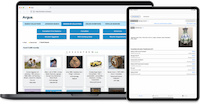
Seeking a high-tech museum CMS that allows you to offer engaging audio-visual experiences and share rich information with online visitors? Get in touch to learn about Argus!
Rachael Cristine Woody
Curious about this topic? Please join us on Wednesday, August 27, 2025, at 11 a.m. Pacific / 2 p.m. Eastern for Rachael Woody’s informative new webinar, The Challenges to Plan for When Launching a Digital Storytelling Program. Register now to reserve your seat!
(Can’t make it? Register anyway and we will send you a link to the recording when it’s ready.)
**Disclaimer: Any in-line promotional text does not imply Lucidea product endorsement by the author of this post.
Never miss another post. Subscribe today!
Similar Posts

The Amplified Ask: Museum Fundraising Partnerships
Explore three real museum fundraising partnerships and the repeatable elements that make joint campaigns, products, and events successful.

Ready to Read: Weaving a Digital Narrative: Storytelling with Online Collections
Lucidea is excited to release a new book from museum collections expert Rachael Christine Woody.

How Shared Software Systems Can Buoy Museums in Financially Turbulent Times
Adopting shared software systems is a powerful move toward a more efficient and more financially sound museum.

Museum Mergers: A Creative Solution for Financial Constraints
Museum mergers can relieve financial pressure through shared governance, staffing, and resources. Rachael Woody explores examples, benefits, and challenges of these types of partnerships.
Leave a Comment
Comments are reviewed and must adhere to our comments policy.
0 Comments