
An Introduction to Scrollytelling for Museums

Rachael Cristine Woody
Now that we’ve reviewed storytelling with museum collections’ best practices, infrastructure, and Collections Management System (CMS) display tools, it’s time to look at storytelling platforms outside the museum CMS.
This post will review both code-based and no-code storytelling platforms along with real collection examples. Each example will be dissected in order to identify the storytelling infrastructure, display tools, and overall effectiveness. This will help to emphasize that storytelling infrastructure is recognizable regardless of which platform is used.
But first, let’s introduce an important concept in digital storytelling: Scrollytelling.
What is Scrollytelling?
As we move beyond the museum CMS as a storytelling platform, a key technique to understand is scrollytelling—a combination of scrolling a webpage and the act of storytelling.
Scrollytelling is a web design technique that reveals multimedia elements as you scroll through a webpage. As scrolling occurs, media elements on the page emerge, move, transform, and fade as the viewer navigates up or down the webpage as well as side to side.
This technique is particularly valuable for long-form articles and highly visual content, making it a popular choice for museums looking to showcase newly digitized materials alongside research-informed content—a story. Many museum scrollytelling projects focus on a specific person, place, or topic, using objects and archival materials to illustrate the story being told.
2 Types of Storytelling Platforms: Code Versus No-Code
Digital storytelling (or scrollytelling) can be produced via both code and no-code platforms. No-code means just that. You don’t need to know how to write code or have web design skills to produce a story with a no-code storytelling platform.
On the other hand, a code-required platform requires coding knowledge to build a scrollytelling experience. There are scrollytelling code packages available via services like GitHub, but an understanding of coding basics is required in order to apply the code package to a web environment.
Examples of No-Code and Code-Required Storytelling
We’ll review examples of both types in subsequent posts to help illustrate the potential of each; one type isn’t necessarily better than another.
No-Code Museum Stories
The two no-code examples both use the Shorthand platform:
- Fanning the Flames: Propaganda in Modern Japan, Hoover Institution Library & Archives
- Rembrandt Self-Portrait with Two Circles, English Heritage’s Kenwood House
A note about Shorthand: Shorthand is one of the larger scrollytelling platforms used by museums and cultural heritage institutions. At the time of this writing, it’s free to create stories with Shorthand but payment is required to publish. Shorthand pricing is tiered based on the number of users and the number of published stories. A discount is available for nonprofit organizations.
Code-Based Museum Stories
The two code-based examples are:
- Digital Voltaire Project, University of Southern California
- The Tulsa Race Massacre of 1921, The New York Times
Note: Both of these code-required examples freely share their code packages via GitHub.
Experiment with Weaving Compelling Digital Narratives
Learning about scrollytelling and reviewing examples of storytelling platforms is a great way to explore new possibilities for your museum’s narratives. Whether you’re brand new to digital storytelling or an experienced practitioner, creatively incorporating materials and deploying digital tools can offer fresh inspiration.
Each storytelling platform and approach are different, and experimenting with various tools can help you find the right fit. As we explore the options, I encourage you to explore the different platforms and tools available. Many platforms are free, open-source, or offer freemium options for testing. Given the digital nature of this work, functionality and tools are always improving and the ability to weave compelling narratives on a digital loom becomes easier.
As digital storytelling evolves, integrating these platforms with a robust collections management system ensures your narratives are backed by well-organized, accessible collections data. By leveraging a CMS alongside scrollytelling tools, you can create richer, more immersive digital experiences that bring your collections to life.
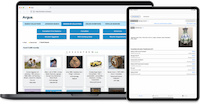
Looking for a powerful museum CMS to create immersive, audio-visual storytelling experiences that engage online visitors? Get in touch to learn about Argus!
Rachael Cristine Woody
Rachael Woody advises on museum strategies, digital museums, collections management, and grant writing for a wide variety of clients. She has authored several titles published by Lucidea Press, including her latest: Demystifying Data Preparation for a New CMS. Rachael is a regular contributor to the Think Clearly blog and presents popular webinar series covering topics of importance to museum professionals.
**Disclaimer: Any in-line promotional text does not imply Lucidea product endorsement by the author of this post.
Never miss another post. Subscribe today!
Similar Posts

Shared Resilience: Museum and Affinity Group Partnerships
Successful museum-affinity group partnerships are based on turning cultural capital into community capital, offering multiple benefits for the group and the broader community, all thriving within the museum ecosystem.
Culture on Tap: The Power of Commercial-Cultural Partnerships
When cultural heritage aligns intentionally with local business goals, it unlocks a powerful value exchange that transforms heritage into an economic engine, aligning historical narratives with local commerce.

Civic Catalysts: How Museums and Local Governments Build Resilient Communities
Building alliances with local government shifts museums from the margins of community planning directly into the center of civic life. Detailed analysis of how the resulting ecosystem fortifies museum operations.

Joint Ventures in Museopreneurship: 3 Collaborative Models
The future of museum sustainability belongs to institutions that lean into collaboration rather than isolation, through shared art acquisitions, innovative brand franchising, or membership networks, amplifying impact while mitigating risk.
Leave a Comment
Comments are reviewed and must adhere to our comments policy.
0 Comments