
The Required Technical Infrastructure for Museum Online Storytelling Programs

Rachael Cristine Woody
In the first post of this series, Museum Digital Storytelling Programs: Understanding Resource Challenges, we outlined the resources necessary to launch and support a digital storytelling program.
This follow-up post focuses on the technical infrastructure that enables museums to share engaging stories online. If your museum currently runs a digitization or digital engagement program, you may have most, if not all, of these elements already in place.
What Technical Infrastructure Does a Digital Storytelling Program Need?
A successful museum digital storytelling program relies on several key technical components:
- Staff: Specialists in digitization, digital asset management, data capture, and digital story production.
- Digitization Equipment: Cameras, flatbed and overhead scanners, and analogue-to-digital media transferring equipment.
- Digital Storage: Cloud-based software, on-premise backup software, servers, or external hard drives.
- Museum Collections Management System (CMS): Software to capture, organize, and connect object data for easier search and retrieval.
- Storytelling Platform: A tool to publish engaging digital narratives (if this isn’t built into your CMS).
The People Behind the Program
Staff are an integral part of digital program infrastructure. It’s their applied technical knowledge and capacity to perform technical activities that keep the digital apparatus running. Specifically, staff are needed in the following roles:
- Digitization specialists
- Digital asset managers
- Data capturers
- Narrative creators
- Story writers and editors
- Story producers
If your current staff already perform these roles (or can stretch to fill them), adjustments to their workload may be necessary. If one or more of these activities lack a dedicated staff member, then you’ll need to hire to fill the roles.
For highly specialized roles like story production, bringing in contractors can help you avoid stretching your staff too thin while ensuring quality storytelling.
Digitization Tools and Equipment
Similar to staffing, most, if not all, digitization items should already be in place if the museum possesses an active digitization program. Regardless, the types of items to be digitized may require different equipment. Identify what (if any) equipment gaps exist for the collection and determine if renting, acquiring, or contracting out are possible options.
Digital Storage and Backup
Digital files should be subject to at least one method of storage and backup beyond the local computer. If digital storage and backups are already in place, then the next action is to increase the storage size to accommodate the increase in digital products and potential storytelling platform hosting. If there isn’t any digital storage or backup installed at the museum, it should be acquired.
Collections Management System (CMS)
A CMS is an important tool in storytelling creation as it contains several storytelling elements and provides useful object data, such as a description and links to related objects. If your museum doesn’t have a CMS in place, using a spreadsheet to capture data can work as a stopgap. While spreadsheets can work temporarily, investing in a proper museum CMS is crucial for scalability and data integrity.
Storytelling Platform
Finally, a storytelling platform is the last infrastructure piece required in order to launch a digital storytelling program. For some museums, there may be the capability within the CMS to publish stories. For others, a storytelling platform will work best.
Technology as a Foundation for Creation
Ensuring proper technical infrastructure is critical for any digital program’s success. Technical knowledge, people who can perform technical tasks, and the tools themself must be in place before a completed story can be produced. Once those items are accounted for, the museum staff can turn their attention to story creation.
By investing in the right infrastructure, museums empower their teams to craft compelling digital stories that engage audiences and preserve cultural heritage.
Frequently Asked Questions
Do small museums need all of this infrastructure to get started?
No. You can start with the basics—such as simple digitization tools, spreadsheets, and free storage—and upgrade over time as resources allow.
Can our CMS handle storytelling, or do we need a separate platform?
Some CMS platforms (like Argus) include built-in storytelling features. If yours doesn’t, or you want more flexibility, a dedicated storytelling platform may be worth considering.
How can we manage technical work without hiring more staff?
Cross-train existing staff, work with volunteers, partner with universities, or contract out specialized tasks.
How much digital storage do we need to handle an online storytelling program?
It depends on your file types and volume. High-res images, video, and 3D scans require more space, so choose a scalable storage solution.
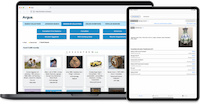
Seeking a high-tech museum CMS that allows you to offer engaging storytelling experiences and share rich contextual information with online visitors? Get in touch to learn about Argus!
Rachael Cristine Woody
Curious about this topic? Please join us on Wednesday, August 27, 2025, at 11 a.m. Pacific / 2 p.m. Eastern for Rachael Woody’s informative new webinar, The Challenges to Plan for When Launching a Digital Storytelling Program. Register now to reserve your seat!
**Disclaimer: Any in-line promotional text does not imply Lucidea product endorsement by the author of this post.
Never miss another post. Subscribe today!
Similar Posts
Civic Catalysts: How Museums and Local Governments Build Resilient Communities
Building alliances with local government shifts museums from the margins of community planning directly into the center of civic life. Detailed analysis of how the resulting ecosystem fortifies museum operations.

Joint Ventures in Museopreneurship: 3 Collaborative Models
The future of museum sustainability belongs to institutions that lean into collaboration rather than isolation, through shared art acquisitions, innovative brand franchising, or membership networks, amplifying impact while mitigating risk.

Unlock the Vault: How Museopreneurs Turn Content into Revenue
While launching paid digital content initiatives requires a shift in operations, technology, and mindset, the financial and educational rewards of scaling your museum’s impact online are undeniable.

From the Met Gala to Michelin Stars: The New Economy of Museum Space
Embracing a space-driven entrepreneurial model, thoughtfully auditing museum facilities, and viewing the space with commercial confidence, we can unlock revenue to fund exhibitions, support staff, and keep cultural legacies alive.
Leave a Comment
Comments are reviewed and must adhere to our comments policy.
0 Comments