


The true magic of a multi-institutional portal isn’t just that it makes things easier to find, it’s that it allows us to discover meaningful connections between collections that were previously invisible.
In our last post, we discussed the language barrier and how shared vocabularies and data aggregates act as the technical translators within a shared online collection discovery portal. By aligning our data standards and vocabulary, we’ve built the bridge. Now, it’s time to look at what happens when we actually cross it.
This post will look at how museums can identify cross-collection themes to feature in the discovery portal and use common portal tools to highlight these affinities.
From Isolated Facts to Connective Webs
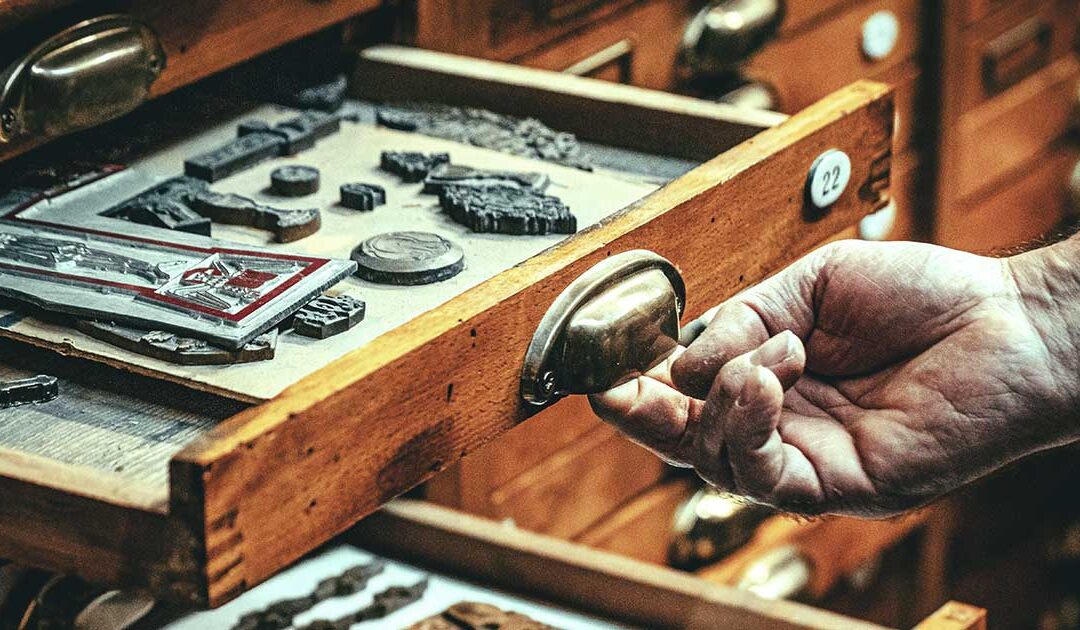
For decades, museum collections have been treated as isolated silos. A single archaeological site’s history might be physically split: the artifacts reside in a state museum, the field notes in a university archive, and the lead excavator’s personal correspondence in a local historical society.
In a traditional search environment, the onus is on the researcher to understand how to search and use the system. By utilizing shared discovery, we move toward an inclusive view. We are no longer just presenting data—we are revealing a web of relationships. When we find these affinities, we reunite these items in a digital space, providing a context and connection that was previously impossible for any single institution to achieve alone.
Uncovering Hidden Connections through Shared Data
Finding affinities also allows us to uncover hidden or under-represented narratives. When multiple museums contribute to a single portal, we can see patterns across a broader landscape.
For example, a search for a specific marginalized artist might yield one result in your collection and two in a partner’s. Separately, these items might seem like outliers. Together, they form a significant body of work that warrants new research or a collaborative digital exhibition.
This discovery is made possible by the field aggregates we discussed previously. Because the portal is designed to query like fields—such as Creator, Subject, or Geographic Location—it can automatically suggest related items from partner institutions.
Recognizing Cross-Collection Themes
How can you identify cross-collection themes?
You could start by adopting a shared vocabulary that makes it easier to search across collections. A shared vocabulary might apply to:
- Object names
- Artists
- Cultural communities
- Subjects
- Geographic regions
- Materials or medium (format)
Another way to identify for shared themes across multiple collections is to look at both current and past exhibits.
For example: If an online visitor is looking at a 19th-century map in your collection, the portal can find the affinity with a collection of survey equipment at a partner museum because both records are tagged with the same shared vocabulary and use aligned metadata standards. When we make the effort to connect our collections, we’re not just giving the user what they asked for, we’re giving them what they didn’t even know existed.
How Connections Manifest on the Discovery Portal
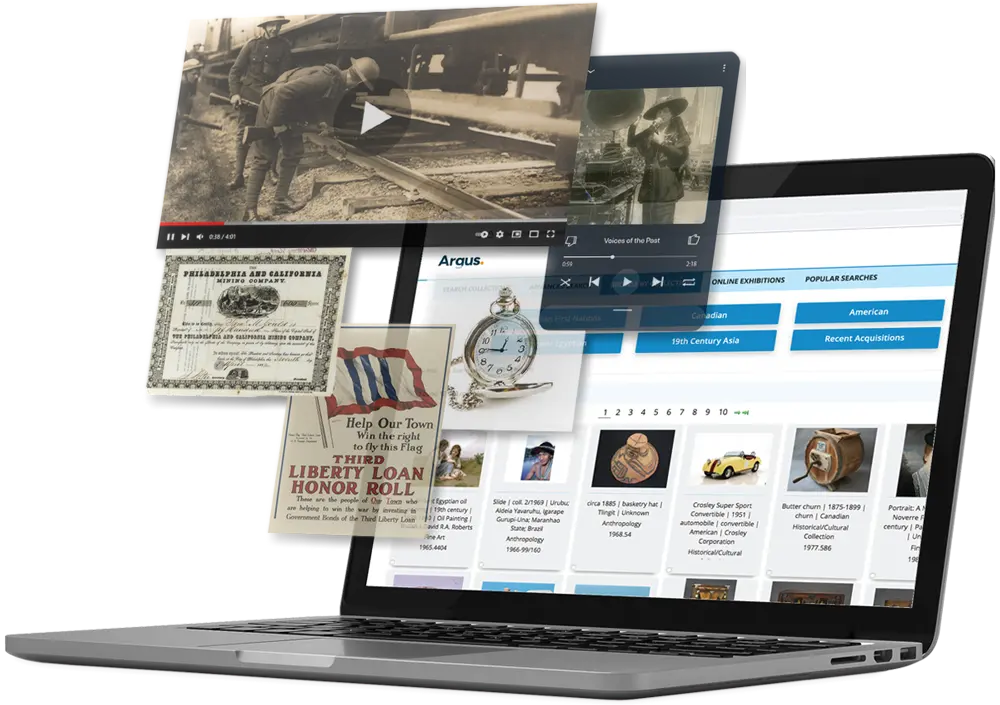
Once commonalities among the collections are identified they can be made easier to browse by using common discovery portal functionality. Affinities found among separate collections can be delivered to the digital user in the following ways:
- Galleries
- Browse by topic
- Online exhibits
- Curriculum support
Moving Toward a Communal Future
Finding affinities is about more than just better search results. It’s about fulfilling our mission as collection stewards to share the stories at the heart of our collections. By breaking down the barriers between our institutions, we are creating a communal search experience that reflects the true, interconnected nature of our history, art, and culture.





0 Comments