


As museums increasingly engage the public through online experiences, digital access has become central to how audiences encounter our collections. A strong digital presence is no longer simply an extension of our physical galleries. The reality is that the primary way the public interacts with our holdings is through our online collection portal. However, the individual impact of these standalone portals is often limited by the boundaries of our own institutional websites.
The focus of this series is on shared collection discovery through collaborative collection portals and how we can improve collection data so that it works effectively alongside collections from partner institutions.
When we align our data standards and delivery methods, we create a seamless experience for digital users—allowing them to search across multiple collections as if they were a single resource. Over the next few posts, we’ll explore how to prepare your data to thrive in these shared environments.
What is Shared Collection Discovery?
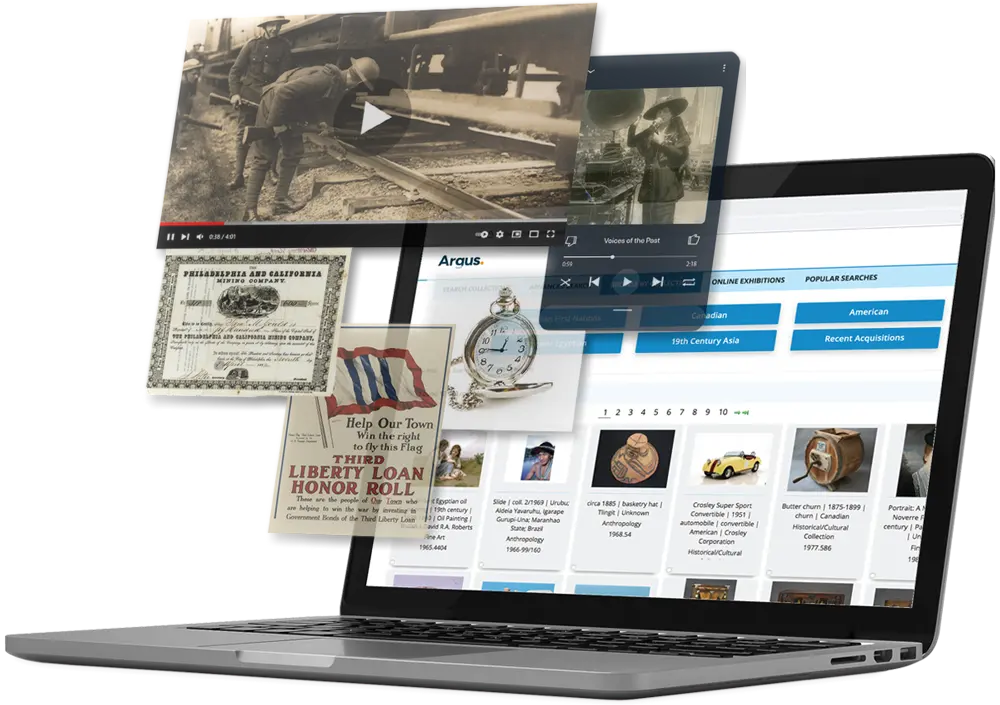
Shared collection discovery is the inherently collaborative practice of making digital records from multiple institutions searchable and accessible through a single, unified interface. Rather than requiring a researcher or user to visit five different museum websites to find related items, a shared discovery portal breaks down digital silos by aggregating data into one central public portal.
This approach acknowledges an important and fundamental truth: our collections are historically and contextually linked. For example, a single archaeological site might have artifacts and archives distributed across three different museums. Or a single artist’s papers might be split between a university library and a local historical society. Shared discovery reunites these items in the digital space, providing a holistic view that was previously impossible.
Key Components of Shared Discovery
In the shift from isolated databases to a truly communal search, there are three core pillars to a shared discovery experience: a unified access point, collaborative standards, and interconnected data.
- A Unified Access Point: A single website with a search engine where users can perform one search to see results from all participating partner institutions.
- Collaborative Standards: Success depends on blended best practices where different museums agree on how to format their data so that the central search engine can understand and group them correctly.
- Interconnected Data: Objects are linked not just by where they are stored, but by shared themes, creators, or historical contexts.
Ultimately, shared collection discovery is a visitor-centric approach. It moves the focus away from individual institutional boundaries and toward the collective collection, making cultural heritage more visible and easier to explore for everyone.
Creative Partnership Models for Shared Collection Discovery
Building a shared portal isn’t just a technical challenge; it’s a collaborative one. In our previous series we explored how museums can creatively partner with a shared approach to collections management systems (CMS). Three main partnership models were explored:
- Sharing a single database (a unified hub).
- Sharing permissions to access collections with a peer-to-peer bridge.
- Separate databases but a shared discovery portal.
While each model has its own technical requirements, models one and three specifically result in a shared collection discovery portal. Whether you are sharing a CMS or contributing to a consortium website, your data practices are the foundation of a successful user experience.
How Do We Support Shared Collection Discovery?
To make this work, we have to look at data creation. In a shared portal, a blended approach to best practices is required. This requires a delicate balance of internal cataloging needs, understanding and supporting the affinities shared across collections, and the external requirements of a discovery portal. Ultimately, we need to look at data creation and controlled vocabularies through a communal lens rather than an institutional one.






0 Comments