
The Redefined ILS: Tactical, Practical, Strategic, Sustainable

Sarah Nichols
The backbone of an information intensive organization is an integrated library system (ILS) that optimizes the management of acquisitions, cataloging, delivery and circulation of critical content across the enterprise.
In addition, there are many other important information management applications (ideally built and maintained by library staff) including:
- information portals
- specialized and customizable databases
- digital media repositories
- online usage tracking tools
- contracts and vendor management reporting
- interactive research request trackers
The advanced applications mentioned above bridge the gap between library and knowledge management, defined as: the technology-enabled creation, capture, organization and delivery of information critical to achievement of organizational objectives. The redefined ILS offers a unified platform that both supports high powered classic library automation and answers knowledge management needs.
A library’s sustainability depends upon its capacity to keep up with changing requirements. A powerful ILS offers an indispensable toolkit, and an ILS that’s a perfect match for your organization can adapt to the changing needs of your end users – without dependence on IT support. The redefined ILS offers the flexibility and customization options required for growth, innovation and integration with your existing systems – meaning you extract full benefit from high-value knowledge assets, reduce costs, enhance revenues and dramatically increase efficiency.
As with many software applications, the prospect of converting or migrating to a new ILS can be daunting. It’s easy to think about all the problems that might occur, and simply stick with “the devil you know.” However, making a change doesn’t have to be difficult if you find a vendor that understands the importance of a seamless migration and has best practice tools and procedures to support that built right in.
When you articulate the value of an ILS – and communicate that to your leadership – thinking of it as the “Indispensable Library Solution” will keep you focused on high impact tactical and strategic benefits as you make the business case, and ultimately, the platform selection.
Sarah Nichols
Similar Posts

Lucidea’s Lens: Knowledge Management Thought Leaders
Part 116 – Chun Wei Choo
Explore Chun Wei Choo’s work on organizational knowledge, sense-making, and decision-making in this KM thought leader profile.

Our History with the Special Libraries Association and Our Optimism for the Future
In this open letter, CEO Ron Aspe reflects on Lucidea’s shared history with SLA, celebrates the lasting impact of special librarians, and shares why we remain optimistic—and deeply committed—to supporting the profession in the years ahead.

Lucidea’s Lens: Knowledge Management Thought Leaders
Part 115 – Zach Wahl
Learn about Zach Wahl’s contributions to knowledge management, including taxonomy, governance, and AI, in this profile curated by Stan Garfield.
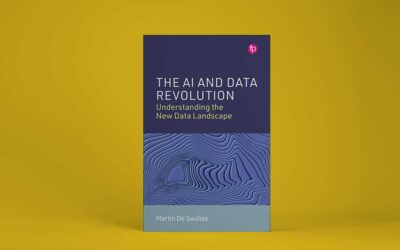
Interview with the Author: Dr. Martin De Saulles on AI and the Data Revolution
An interview with Dr. Martin De Saulles, author of The AI and Data Revolution, on the impact of AI on information management.