

In our last post, we introduced Northwest Digital Heritage (NWDH) through a case study of shared collection discovery, exploring the requirements, benefits, and challenges of a consortium-based program. But how does this framework of independent collections systems and datasets work in practice across a massive geographic region like the Pacific Northwest?
The answer lies in establishing flexible entry points that prioritize a more complete historical picture over institutional resources.
To build a comprehensive regional discovery portal, a consortium must actively design an inclusive digital space. This inclusive framework welcomes repositories of all types and sizes. It helps prevent budget constraints from dictating which collections have an online presence—ultimately revealing a richer, more comprehensive narrative of Pacific Northwest history.
Establishing Inclusive Contributor Criteria
NWDH ensures its network remains deeply relevant to regional history by opening membership to a broad spectrum of cultural stewards within the region. The consortium invites participation from organizations that hold material related to regional history, including:
- Public libraries: Local community hubs that often serve as primary digital access points.
- Museums: Stewards of material culture and local history.
- Tribal communities: Sovereign nations preserving vital Indigenous heritage.
- Cultural organizations: Historical societies, specialized archives, and local affinity groups.
The consortium also welcomes academic institutions belonging to the Orbis Cascade Alliance (OCA). This partnership bridges the gap between major university research archives and smaller local museums, placing their collections side by side in a single, cross-searchable portal.
By bringing together these diverse forms of stewardship, NWDH helps researchers find hidden links among collections that would normally require navigating separate, unlinked institutional websites.
Meeting Institutions Where They Are: Supporting Diverse Software Platforms
A major barrier to entry for any online collections consortium is software compatibility. To create equitable access, a shared discovery portal must be able to accommodate both open-source tools and proprietary systems.
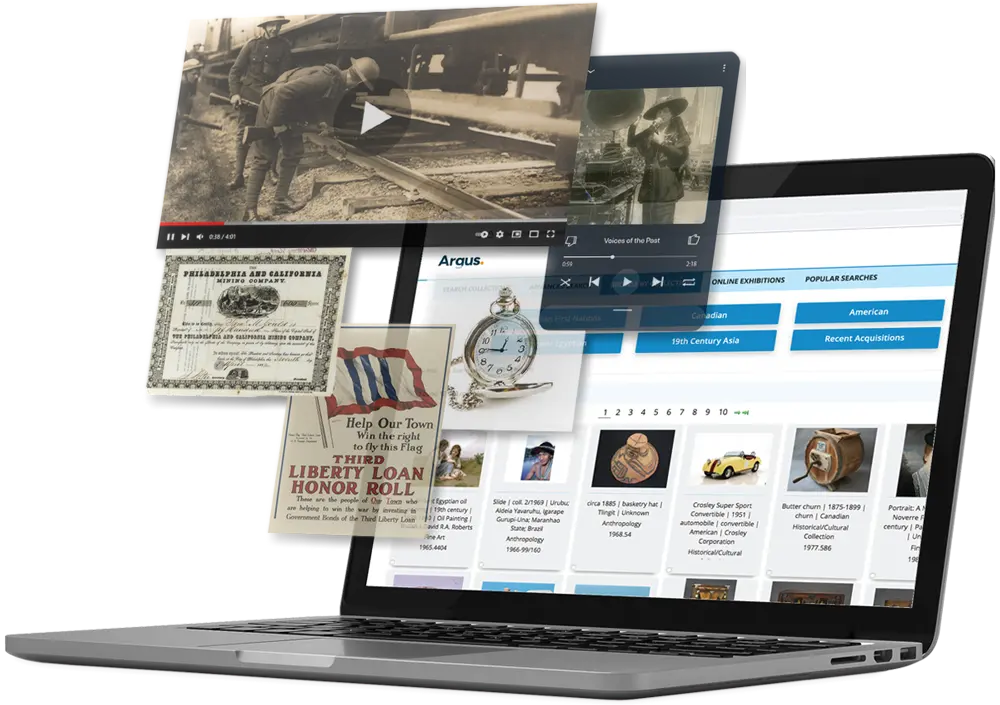
NWDH accepts collection metadata from a wide variety of collections management systems (CMS) through a highly versatile ingestion engine. The platform is preconfigured to harvest metadata from several prominent open-source environments and proprietary systems.
By supporting diverse technical architectures, the consortium ensures that an institution’s past software choices do not lock it out of future collaborative opportunities. This adaptability protects each organization’s investment in its CMS while also streamlining administrative workflows for consortium managers.
The Realities of Regional Software Adoption
Supporting numerous platforms is essential because institutional size, staffing, and budget play a large role in determining software adoption.
The technology used across NWDH’s 293 current contributors reveals distinct patterns:
- Museums: Most local museums rely on affordable, straightforward collections management or digital publishing tools suited to relatively small teams.
- Archives: Larger archival programs favor systems that can manage complex, multi-page document hierarchies.
- Small or underfunded repositories: A significant subset of regional historical societies operates with no formal database software at all.
To prevent underfunded groups from being excluded, NWDH allows organizations to submit their collection data via flat Comma-Separated Values (CSV) files. This means that a structured spreadsheet is enough for a small, volunteer-run museum to make its collections discoverable alongside those of a major state university.
By adapting to these varied technical realities, the consortium creates a genuinely inclusive regional discovery portal.
A Flexible Approach Leads to a Fuller Historical Narrative
Centering flexibility as a core principle, NWDH helps every repository tell its part of the broader Pacific Northwest narrative.
By establishing broad eligibility guidelines and adapting to real-world software constraints, NWDH ensures that technology acts as an invitation rather than a barrier. Smaller organizations can increase the visibility of their collections, while researchers gain access to a more complete and interconnected historical record.
However, maintaining this level of adaptability across nearly 300 repositories demands a stable, reliable foundation behind the scenes. In our next post, we’ll examine the foundational mechanics of the consortium’s operational structure, including the funding and staff capacity required to keep this large, cross-searchable ecosystem running.
Want to learn more? Please join Rachael Cristine Woody for an informative new webinar, A Shared Collection Discovery Portal Case Study: Northwest Digital Heritage, on Wednesday, July 29, 2026 at 11 a.m. Pacific, 2 p.m. Eastern. Register now to reserve your seat!




0 Comments