
How Museums Can Broaden Access and Improve Accessibility with Digital Storytelling

Rachael Cristine Woody
As museums face mounting pressure to expand access, reach wider audiences, and ensure inclusive online experiences, digital storytelling offers one of the most effective ways to meet these challenges. This series highlights practical ways digital storytelling can strengthen your museum’s mission and demonstrate value to stakeholders.
Earlier, we looked at five digital storytelling benefits and reviewed how it can supplement or replace physical exhibits. We also explored how online storytelling supports multi-vocal narratives known to increase audience engagement and expand museum (and collection) relevancy.
In this post, we will shift our focus to how digital storytelling improves both access to and accessibility of collections content online.
Digital Storytelling Broadens Collections Access and Improves Accessibility
Access and accessibility are two critically important aspects of any museum’s mission. Access refers to the number of ways an audience can view and engage with collections, and how much of the collections are available for meaningful interaction. Accessibility refers to how the museum meets the needs of disabled patrons by offering content in different formats and modalities.
Benefit: Broadens Collections Access
If the museum is a nonprofit or a municipal agency, it has a social (if not legal) obligation to provide access to the collections in meaningful ways. That’s not to suggest that the collections in storage should be open to anyone at any time. Instead, it means that the collections are well maintained, offers points of access, and is displayed for public enjoyment.
Collections content can be incorporated into digital storytelling narratives, which broaden availability and meaning for the audience. Digital storytelling increases the feasibility and the number of opportunities available for the audience to meaningfully engage with the collections. In many ways, these opportunities deepen the audience’s understanding of and appreciation for the collections.
Benefit: Improves Accessibility
Digital storytelling with collections online offers several opportunities to improve accessibility of collections content as well as enhance the story being told. Remixing content into different delivery forms can improve accessibility. Additionally, the ability to consume content through different mediums offers viewers a choice for how they wish to enjoy the content with the knock-on benefit of increasing the discoverability in search results.
The two most pertinent accessibility elements in digital storytelling are:
- Multimedia performance of text
- Text descriptions of visuals
Multimedia Performance of Text
Offer audio, visual, or audio-visual (AV) supplements to text-based objects. Viewers who are blind or have low-vision will require an AV transformation of the written artifact. For example, a letter from the archives can be read out loud and offered as an on-demand recording.
Text Descriptions of Visuals
For visual content such as artwork or photographs, accessibility principles dictate that a text alternative be provided. Screen readers and similar tools rely on these descriptions to communicate what is being presented on the screen.
Refer to Accessibility Guidelines
Remember, these are just two activities that increase collections access and accessibility. There are a number of accessibility guidelines to be aware of when delivering content online. For a more comprehensive view, please review the latest version of the Web Content Accessibility Guidelines (WCAG) from the Web Accessibility Initiative.
In the next and final post this month, we will offer a wrap up of all we have learned about digital storytelling with collections online and share takeaways you can bring back to your museum.
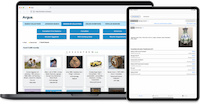
Seeking a high-tech museum CMS that supports engaging audio-visual storytelling and makes it easy to share collections online? Get in touch to learn more about Argus!
Rachael Cristine Woody
Curious about this topic? Please join us for the companion webinar presented by Rachael Cristine Woody, The Benefits of Digital Storytelling with Collections Online, on Wednesday, September 24, 2025 at 11 a.m. Pacific, 2 p.m. Eastern.
Register now to reserve your seat!
(Can’t make it? Register anyway and we will send you a link to the recording).
**Disclaimer: Any in-line promotional text does not imply Lucidea product endorsement by the author of this post.
Never miss another post. Subscribe today!
Similar Posts
Civic Catalysts: How Museums and Local Governments Build Resilient Communities
Building alliances with local government shifts museums from the margins of community planning directly into the center of civic life. Detailed analysis of how the resulting ecosystem fortifies museum operations.

Joint Ventures in Museopreneurship: 3 Collaborative Models
The future of museum sustainability belongs to institutions that lean into collaboration rather than isolation, through shared art acquisitions, innovative brand franchising, or membership networks, amplifying impact while mitigating risk.

Unlock the Vault: How Museopreneurs Turn Content into Revenue
While launching paid digital content initiatives requires a shift in operations, technology, and mindset, the financial and educational rewards of scaling your museum’s impact online are undeniable.
From the Met Gala to Michelin Stars: The New Economy of Museum Space
Embracing a space-driven entrepreneurial model, thoughtfully auditing museum facilities, and viewing the space with commercial confidence, we can unlock revenue to fund exhibitions, support staff, and keep cultural legacies alive.
Leave a Comment
Comments are reviewed and must adhere to our comments policy.
0 Comments