
Museum Digital Storytelling Programs: Understanding Resource Challenges

Rachael Cristine Woody
As fun and alluring as digital storytelling with museum collections online can be, it’s often difficult to prioritize, fund, and find the time needed to do it well.
In this first post of our digital storytelling planning series, we’ll look at the challenge of determining resource needs when creating a new digital storytelling program for your museum.
In the upcoming weeks, we’ll also be diving into other aspects of creating such a program, including: making a business case, the need for technical infrastructure, and the lack of replicable models currently available in the museum field.
This series of posts is designed to help you determine what to consider in order to create a successful digital storytelling program.
Digital Storytelling for Your Museum: One-Time Project vs. Ongoing Program
When it comes to beginning and maintaining a digital storytelling program, there are a few things you will need to be aware of, including what kind of program your institution is looking to create.
You need to distinguish between whether the effort is a one-off project, such as a single digital story to accompany a special exhibit, or an ongoing digital storytelling program that connects to the existing work at the museum and requires ongoing resources.
For example, if museum staff wish to experiment and create a one-time digital story, there are free to low-cost platform options, including the museum’s Collections Management System (CMS), with which to produce a story. A one-time endeavor can more easily borrow or leverage existing resources with minimum impact and typically does not require director or board-level sign-off.
If you are considering an ongoing effort, the intention is likely to produce digital stories that can accompany a museum exhibit or be self-contained offerings. An ongoing and active program is one that produces at least one new digital story a year and requires dedicated assignment of resources.
If this is an ongoing effort to create a storytelling program, then it is important to be aware of the challenges. Resource needs are the first of several challenges to consider.
What Resources Do You Need to Launch a Digital Storytelling Program?
Regardless of the museum or collection type, there are common needs for launching and maintaining a digital storytelling program. Before embarking on program status, it is important to identify the resources required, decide where the resources can be acquired, and calculate how much the resources cost. It is also important to note that there will be one-time costs and annual costs, and budget planning for the first few years of the program is important for success.
Common resource needs for a digital storytelling program are:
- Staff
- Digitization Equipment
- Collections Management System (CMS)
- Storytelling Platform (if used instead of the CMS)
Staff Availability and Expertise
Several activities related to launching a digital storytelling program require professional staff. They are needed to digitize collection items, create accompanying metadata, create interpretive elements, and manage story publication.
Digitization and Storage Equipment
Depending on the items being digitized, this can include:
- A camera
- Flatbed scanner
- Overhead scanner
- Digital transferring equipment
- 3D digitization equipment
- Processing software
- Digital file storage
Your Collections Management System (CMS)
Your CMS can be a treasure trove of storytelling elements and inspiration. If your organization already uses a museum CMS, object data can be repurposed for digital storytelling, provided it’s well-cataloged and searchable. However, if there is no CMS, item data can be recorded in a spreadsheet for reference, searchability, and, ultimately, digital storytelling.
Storytelling Platforms: An Alternative or Complement to the CMS
If your organization doesn’t use a CMS or prefers not to use it for storytelling, you’ll need to select a separate storytelling platform. As covered in our earlier posts on scrollytelling and 3D storytelling platforms for museums, there are many affordable code-based, no-code, and proprietary tools available.
What’s Next for Your Online Storytelling Program?
Identifying and procuring resources for a storytelling program is the first major challenge to address, but is also one of the easiest to navigate once you identify what you need.
In our next post, we will dive deeper into how these resources supply the technical infrastructure required for a successful storytelling program.
Over the next few weeks, we’ll focus on the remaining challenges, such as project inertia and building a business case, and offer guidance on how best to prepare for them.
Don’t miss the upcoming posts in this series—and subscribe to the Think Clearly blog to get expert guidance on building your museum’s digital storytelling program, delivered right to your inbox.
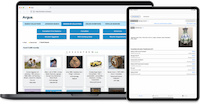
Seeking a museum CMS that allows you to offer engaging storytelling experiences and share rich contextual information with online visitors? Get in touch to learn about Argus!
Rachael Cristine Woody
Rachael Woody advises on museum strategies, digital museums, collections management, and grant writing for a wide variety of clients. She has authored several titles published by Lucidea Press, including her latest: The Discovery Game Changer: Museum Collections Data Enhancement. Rachael is a regular contributor to the Think Clearly blog and presents a popular webinar series covering topics of importance to museum professionals.
**Disclaimer: Any in-line promotional text does not imply Lucidea product endorsement by the author of this post.
Never miss another post. Subscribe today!
Similar Posts

Power in Partnerships: The Peer-to-Peer Bridge Model for a Shared CMS
The Peer-to-Peer Bridge offers a collaborative CMS model that allows museums to maintain independent systems while still supporting shared access, coordinated stewardship, and strategic partnership.

Power in Partnerships: The Unified Hub
A Unified Hub lets multiple museums leverage the power of one system—cutting IT costs, boosting collaboration, and expanding global discovery of their collections data.

Power in Partnerships: 3 Models for Sharing a Museum Collections Management System
Learn about partnership models for sharing a museum CMS—unified databases, shared access, and discovery portals—to reduce cost and expand discovery.

The Amplified Ask: Museum Fundraising Partnerships
Explore three real museum fundraising partnerships and the repeatable elements that make joint campaigns, products, and events successful.
Leave a Comment
Comments are reviewed and must adhere to our comments policy.
0 Comments