
5 Museum Digital Storytelling Benefits (Plus One Deep Dive)

Rachael Cristine Woody
Building a digital storytelling program comes with both challenges and benefits. In a previous series, Museum Digital Storytelling Programs: Understanding Resource Challenges, we explored the main challenges that a museum may encounter. With those challenges addressed, it’s time to consider the benefits of building a digital storytelling program.
There are abundant possibilities for storytelling with digital collections online. To help build your business case, you can use this month’s posts as an aid to persuade decision makers that a digital storytelling program is worth the resource allocation required. You can show how it addresses some of the challenges we spoke of previously. This persuasive piece may also be helpful to use with potential team members or even sources of possible funding.
An Introduction to Digital Storytelling Benefits
There are immediate benefits to digital storytelling, such as creating rewarding story experiences, sharing compelling narratives with museum audiences, and increasing the number of connection points between audiences and collections.
In subsequent posts, we’ll explore how digital storytelling can:
- Supplement or replace physical exhibits
- Increase engagement opportunities through multi-vocal storytelling
- Expand collection and museum relevancy
- Broaden collections access
- Improve accessibility of collections content online
These posts will cover the aforementioned benefits with the goal of helping build a persuasive case for digital storytelling program adoption. We will end by providing a general overview of all we have learned over the past few months, which you can use to help provide context and orientation to your case.
Benefit: Ability to Supplement or Replace a Physical Exhibit
As explored in Exhibitions of Past, Present, and Future as Story Inspiration, the first benefit of a digital storytelling program is the ability to supplement, replace, or otherwise extend a physical exhibit.
To fully appreciate these advantages, it’s important to understand the challenges a digital storytelling program can help circumvent. As a refresher, the most common physical exhibit challenges are:
- Space restrictions
- Object size
- Object health
- Incorporating peer objects and sites
- Installation costs
- Staff capacity
If one or more of these obstacles are present it can make an exhibit idea appear impossible. However, an online story can be produced in lieu of a physical exhibit. An online story immediately negates any space restrictions, installation costs, object size, and object health. It may even alleviate staff capacity while also offering a different and more flexible avenue of incorporating peer objects or sites.
Specifically, digital storytelling offers these benefits when used to supplement or replace a physical exhibit:
- Not restricted by physical space. The story can be as short or as long as desired.
- Not restricted by object size or health (if the object is already digitized). A digital surrogate of the object can still be used in storytelling without endangering or causing further damage to the object.
- Not restricted by installation costs. While there are costs related to online storytelling, they are typically much cheaper than mounting a full exhibition.
- Less restricted by staff capacity (an online story is not as labor intensive as mounting a physical exhibition).
- Less restricted in the use of peer objects or sites. If the peer objects have digital surrogates, the peer museum can more easily contribute those surrogates without the risk or cost incurred with loaning an object. If it’s a site, then only a surrogate can be supplied anyway—in physical or digital form. A site’s digital form can be leveraged creatively with Virtual Reality (VR) supported exploration. It can serve as an immersive setting for the story to unfold.
Additionally, storytelling that draws upon collections online allows for a great degree of narrative flexibility, can offer additional detail, and can lend a dynamism difficult to produce within a physical exhibition.
Increase the Capacity for Storytelling: Reimagine the Impossible
Technology tools such as the internet, 3D imaging, and VR construction make it entirely possible to successfully navigate physical exhibit challenges and offer an engaging online story told via digitized collections. What were previously considered “impossible” museum stories are ripe for reimagining in an online setting.
A digital storytelling program ultimately increases the museum’s capacity for sharing stories at the heart of the collection.
In the next post, we will explore how digital storytelling can increase engagement and relevancy for museum collections.
Frequently Asked Questions
What is a museum digital storytelling program?
A museum digital storytelling program uses technology to share stories inspired by collections. These stories can supplement or replace physical exhibits, expand access, and engage audiences worldwide.
How does digital storytelling benefit museums?
Digital storytelling helps museums overcome challenges related to space limitations, fragile objects, and installation costs. It also boosts engagement, expands relevance, and improves accessibility.
What technology is required for museum digital storytelling?
Common tools include digitization equipment, digital storage, a museum CMS, and 3D imaging programs. This technical infrastructure makes it easier to create immersive, engaging stories that connect audiences with collections beyond the museum walls.
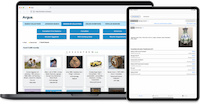
Seeking a high-tech museum CMS that supports engaging digital storytelling? With Argus, you can create immersive audio-visual experiences and share rich information with online visitors.
Rachael Cristine Woody
Rachael Woody advises on museum strategies, digital museums, collections management, and grant writing for a wide variety of clients. She has authored several titles published by Lucidea Press, including her latest: The Discovery Game Changer: Museum Collections Data Enhancement. Rachael is a regular contributor to the Think Clearly blog and presents a popular webinar series covering topics of importance to museum professionals.
**Disclaimer: Any in-line promotional text does not imply Lucidea product endorsement by the author of this post.
Never miss another post. Subscribe today!
Similar Posts

From Preservation to Resilience: An Introduction to Building Resilient Digital Collections
Preserving a digital collection is a job that is never done. But what if we shifted our focus from preservation to building digital resilience?
Client Spotlight: MacLaren Art Centre Goes Beyond Collections Care to Access and Growth
“As our needs evolved, it became clear that our existing CMS was no longer working for us. Not only do we need to perform basic collections care, we need a system that will support public access, enable growth, and match our innovative strategies.”
Museum Collections Online: Digital Storytelling Blog Series Roundup
An overview of 10 blog post series that highlight how museums can leverage online collections and digital storytelling platforms, strategies, tools, and best practices.
How Museums Can Broaden Access and Improve Accessibility with Digital Storytelling
Museum expert Rachael Cristine Woody explains how digital storytelling expands access and improves accessibility of museum collections with inclusive multimedia formats.
Leave a Comment
Comments are reviewed and must adhere to our comments policy.
0 Comments