
How to Increase Museum Grant Success by Mastering the Lexicon

Rachael Cristine Woody
As museum professionals we’re accustomed to using a specialized set of acronyms, words, and phrases that the museum field has agreed upon as a common language. Working within the museum field means learning and using this common language to discuss methodologies, conduct projects, and share knowledge with each other.
Depending on where you’re working, your museum may have its own (additional) common language filled with short-hand vernacular, acronyms, and words. Just as it’s important to learn the museum lexicon, so too is it important to pay attention to grant lexicons if you’re the grant writer.
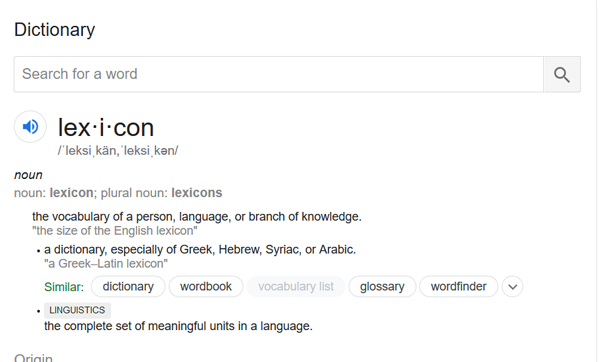
The Grant Field and Grant Opportunity Lexicons
The grant acquisition world has its own lexicon, and each grant opportunity you apply to will have a further subset of their preferred lexicon. (Just like the museum field and the museums themselves). If you’re currently writing grants, or intend to write grants in the future, I encourage you to consider a practice of mastering the grant lexicon. This post will focus on the grant opportunity-level lexicon.
Why is it Important to Master the Grant Opportunity Lexicon?
There are a few reasons why it’s important to master the grant opportunity lexicon.
- Using the appropriate language (as used by professionals within the field) shows that you are a part of the professional field, understand its terminology, and are using it correctly. This helps to certify your professionalism.
- Identifying and mirroring the language that’s used within the grant opportunity demonstrates that you have accurately interpreted what the grant opportunity will fund and you have correctly determined that your project is a good fit.
- Your use of the lexicon helps grant reviewers as it signals to them (overtly or subconsciously) that this grant project is competitive for the grant opportunity.
How do I Determine the Grant Opportunity’s Lexicon?
Identifying the grant opportunity lexicon is a fairly easy process. Here are my recommendations for how to get started:
- When reviewing a grant funding opportunity, highlight words that are used repeatedly to describe the grant opportunity.
- When the grant opportunity identifyies or suggests successful application criteria, highlight the descriptive words they use.
- Gather the words from actions #1 and #2 into a list and place it in a highly visible area, whether at the top of your Word.doc or scribbled on a Post-It attached to your monitor.
How do I Use the Lexicon When Writing my Grant?
- When writing your application, refer to the lexicon list so that you can consistently use the grant agency lexicon to describe your grant project.
- Correct use of words and word consistency (for example: use either scanning or digitizing, not both) is key in order to produce a coherent and persuasive application narrative.
- When you are describing project outcomes and evaluation, it is particularly important to use words the grant opportunity has used in their call for applications. If grant reviewers don’t interpret your project outcomes to meet the opportunity’s desired project area your application will be marked down as less completive; or, worse case scenario, rejected as ineligible.
Conclusion
Grant writing takes time and can be overwhelming. For those new to grant writing, the assessment that one grant is better than others can appear mysterious. While project structure has a lot to do with competitiveness, so does the clarity of the writing. By paying attention to the grant opportunity lexicon and using it correctly, you’re on your way to increased grant success.
Additional Grant Resources
Rachael Cristine Woody
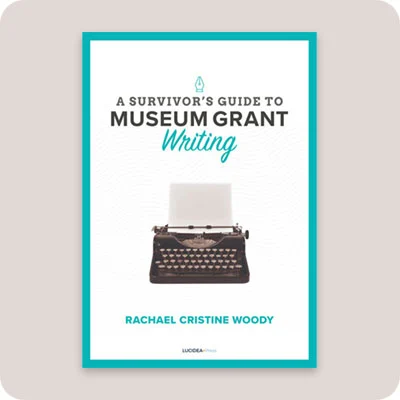
Consultant, author, and blogger Rachael Cristine Woody advises on museum strategies, collections management, grant writing and the future of museums for a wide variety of clients. Read Rachael’s book for Lucidea Press, A Survivor’s Guide to Museum Grant Writing.
And check out Lucidea’s market leading CMS, Argus, that empowers museum professionals to make their collections more visible, accessible and engaging than ever before.
Similar Posts
Culture on Tap: The Power of Commercial-Cultural Partnerships
When cultural heritage aligns intentionally with local business goals, it unlocks a powerful value exchange that transforms heritage into an economic engine, aligning historical narratives with local commerce.
Civic Catalysts: How Museums and Local Governments Build Resilient Communities
Building alliances with local government shifts museums from the margins of community planning directly into the center of civic life. Detailed analysis of how the resulting ecosystem fortifies museum operations.

Joint Ventures in Museopreneurship: 3 Collaborative Models
The future of museum sustainability belongs to institutions that lean into collaboration rather than isolation, through shared art acquisitions, innovative brand franchising, or membership networks, amplifying impact while mitigating risk.

Unlock the Vault: How Museopreneurs Turn Content into Revenue
While launching paid digital content initiatives requires a shift in operations, technology, and mindset, the financial and educational rewards of scaling your museum’s impact online are undeniable.
Leave a Comment
Comments are reviewed and must adhere to our comments policy.
0 Comments