


Over the course of this series, we have tracked how multi-institutional networks transform regional archives. We analyzed how inclusive eligibility parameters welcome small repositories, and unpacked the challenges of relying on existing staff capacity and external funding structures.
In this fourth and final installment, we examine the structural advantages and systemic hurdles seen within the Northwest Digital Heritage (NWDH) model. The challenges and benefits present can offer valuable insight into how healthy, egalitarian consortiums can operate both now and in the future.
The Dividends of Shared Infrastructure
The most compelling argument for creating a consortium like the NWDH model is the immediate leveling of the technical playing field among contributors. Small, localized heritage groups rarely possess the capital or the specialized staff needed to construct enterprise-grade repositories.
Entering a shared discovery framework grants participating institutions immediate access to a robust digital ecosystem:
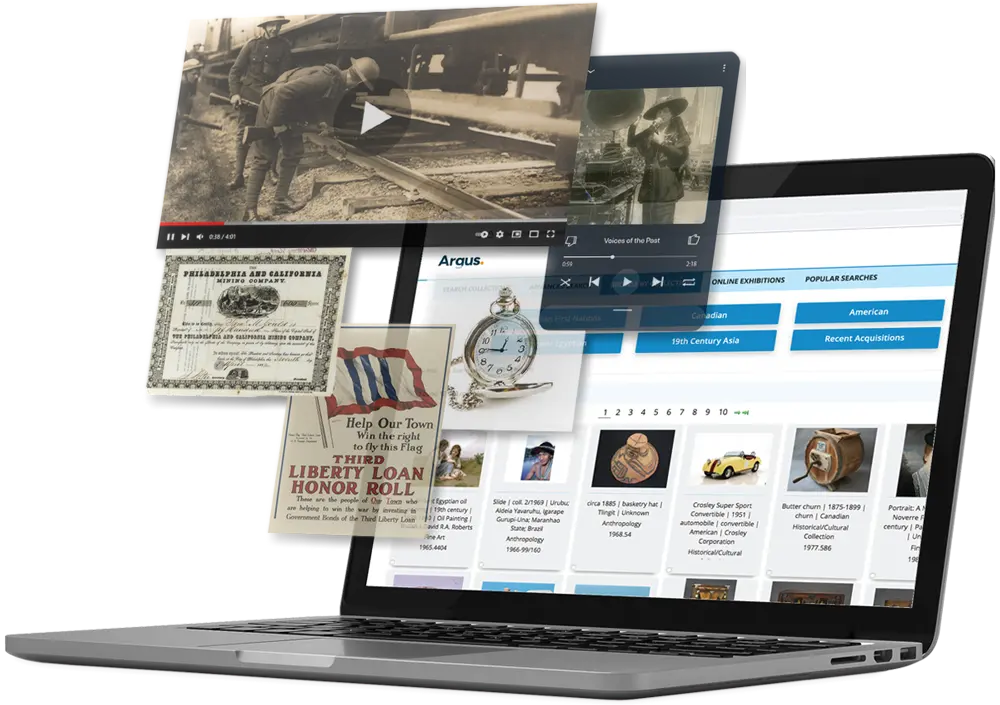
- Turnkey Technology Stack: Members use an advanced discovery platform capable of cross-searching millions of records without paying upfront software development fees.
- Distributed Knowledge Pools: Small shops gain access to a network of technical and collection data experts.
- Democratic Audience Growth: Localized historical assets are thrust onto a larger public stage, appearing alongside items from larger museums, historical societies, archives, and universities.
This shared architecture effectively democratizes regional history, ensuring that a researcher looking for Pacific Northwest materials finds a complete, multi-faceted narrative rather than just the well-funded highlights.
Navigating the Hurdles of a Distributed Network
While the collaborative benefits are clear, operating a distributed system introduces unique technical friction. A consortium is, by its very definition, a collection of disparate parts. Managing that inherent variance to ensure quality cross-searchability requires constant vigilance from the consortium coordinators.
Behind the scenes, administrators must continuously navigate a distinct set of systemic challenges:
- Data Standards Reconciliation: Coalescing hundreds of distinct metadata habits into a single, functional schema requires metadata cleaning and negotiation.
- Constant Technological Updates: Maintaining API integrations and harvesting protocols across dozens of separate, evolving CMS applications is a moving target.
Without continuous vigilance regarding metadata quality, a shared portal can easily devolve into an under-funded, chaotic, unsearchable digital warehouse rather than a refined collection discovery tool.
Managing Human Resources and Fiscal Vulnerability
Beyond the purely technical friction lies the more volatile human element. As we highlighted in our previous post, the financial landscape can change overnight. Because this consortium model doesn’t charge membership fees, NWDH remains uniquely susceptible to external funding cliffs—such as the sudden federal grant rescissions experienced in 2025.
Compounding this fiscal fragility is the issue of consistent community participation. When a small museum is staffed entirely by a rotating roster of volunteers, maintaining a steady workflow is difficult. An institution might enthusiastically upload a batch of records during a spring push, only to go completely dark for the next two years as local board members change.
A consortium relies on an active contributor network to stay relevant and healthy. To ensure this is the case at NWDH, the burden falls on the three core partner agencies—the Washington State Library, the State Library of Oregon, and the Oregon Heritage Commission—to actively encourage participation from quiet repositories and re-engage dormant members.
The Long View on Collaborative Heritage
Ultimately, the NWDH model proves that the rewards of collaborative digital stewardship far outweigh the operational risks. The friction of cleaning metadata, updating harvesting software, and navigating grant cycles is a fair price to pay for giving a voice to nearly 300 regional institutions. But who pays that price? I heartily advocate that important cultural programs like the NWDH be awarded continuous and irrevocable funding from both the federal and state budgets with the ability to save and access emergency funds.
By centralizing the technical infrastructure and absorbing the administrative labor, consortia ensure that our shared cultural legacy remains safe, visible, and accessible to the public. As you look to the future of your own collections, consider how joining a collective network can elevate your community’s history, broaden your public audience, and preserve your collections for generations to come.





0 Comments