

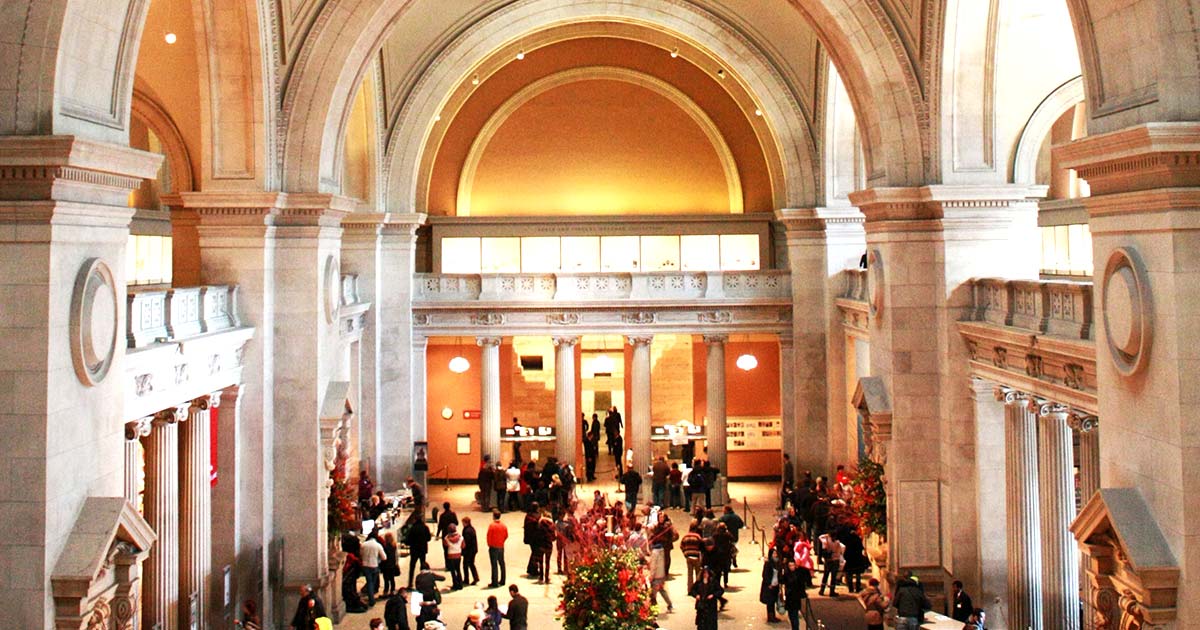
For a museopreneur, the most valuable uncapitalized asset an institution holds is often its physical footprint. Maximizing space utilization is one of a museum’s fastest paths to generating reliable earned income. Transitioning from a standard operational model to an entrepreneurial framework requires treating museum real estate as a dynamic business portfolio. By reimagining the use of square footage, underutilized galleries, and facilities outside standard public operating hours, museums can transition from cost-heavy property managers into high-yield real estate engines.
Museums approach space monetization through three distinct commercial frameworks:
- Private Events and Ultra-Premium Hospitality
- Commercial Film, Television, and Media Shoots
- Culinary, Co-Working, and Incubator Leases
The following section evaluates each framework and offers examples to display the concept in action.
1. Private Events and Ultra-Premium Hospitality
Private events and ultra-premium hospitality represent the most ubiquitous space rental model. Because museums boast iconic architecture and built-in prestige, they can charge steep premiums compared to standard hotels or banquet halls. Here are two examples of iconic spaces leveraging their special cachet into revenue:
- The Metropolitan Museum of Art (The MET): The Met restricts its iconic Great Hall and Temple of Dendur exclusively to its highest-tier corporate members. The museum charges rental fees that reportedly can exceed $100,000 per evening (excluding catering and security costs) for corporate galas and high-profile fashion events like the Met Gala.
- The Field Museum: The museum rents out its massive Stanley Field Hall—allowing guests to dine directly underneath Máximo the Titanosaur. They utilize a tiered packaging model, charging distinct rates for the main hall, outdoor terraces, or individual exhibition galleries.
By transforming awe-inspiring public galleries into high-yield, tiered hospitality venues during closed hours, museums successfully convert architectural prestige into operational cost-recovery engines.
2. Commercial Film, Television, and Media Shoots
Production companies are always looking for interesting and unique spaces, and will pay high day rates to utilize authentic museum galleries, striking facades, and grand staircases as live sets. While internationally famous museums are no strangers to Hollywood, there’s an opportunity to connect your museum to the local film and TV industry. Here are a couple of well-known favorites for inspiration:
- The Louvre: The Louvre famously leased its entire facility to Beyoncé and Jay-Z to film their “Apes**t” music video, and regularly rents out spaces for major Hollywood features like The Da Vinci Code and the John Wick franchise.
- American Museum of Natural History (New York): Beyond inspiring and hosting the Night at the Museum franchise, the institution maintains a dedicated internal Media Production Licensing office to handle high-volume requests for commercial photo shoots, TV dramas, and documentaries.
Establishing a formal, specialized media program can aid a museum in navigating entertainment industry demand. Small shops may consider forming a network to centralize the work, offering an opportunity to share resources while attracting income. This avenue is especially important to consider if there are temporary gallery closures that could be converted into high-margin media licensing revenue.
3. Culinary, Co-Working, and Incubator Leases
Instead of managing complex restaurant logistics internally, museums frequently lease their restaurant, cafe, or patio real estate to celebrated outside operators to create steady, hands-off rental income. If leasing out restaurant space isn’t possible, some progressive institutions lease their administrative offices, basements, or adjacent buildings to tech startups, artists, or creative agencies. Here are some creative (and tasty!) partnership examples:
- The San Francisco Museum of Modern Art (SFMOMA): SFMOMA has historically leased its high-foot-traffic ground floor and rooftop pavilion spaces to renowned external coffee roasters and Michelin-starred chefs, securing a base monthly lease plus a percentage of food sales.
- The Contemporary Arts Center New Orleans (CAC): The CAC opened an art-filled co-working space called The Shop Workspace, anchoring a community of creative professionals within its walls.
- The New Museum (TNM): TNM founded NEW INC, a shared workspace and professional incubator built directly within museum-controlled real estate. Creative tech entrepreneurs and artists pay monthly membership fees to rent desks and studio spaces, blending real estate monetization with the museum’s cultural mission.
By redesigning administrative or surplus square footage into award-winning cuisine meccas and collaborative work hubs, museums establish a reliable, year-round baseline of monthly cash flow that remains insulated from seasonal fluctuations and economic downturns.
Protecting the Museum Collection and Mission
While the financial yields of creative real estate monetization are undeniable, executing these programs requires strict adherence to legal, municipal, and structural guardrails. When in museopreneurial mode, keep these important factors in mind:
- Unrelated Business Income Tax (UBIT) Navigation: In the United States, non-profit museums must carefully isolate space revenues that do not directly align with their educational charter. Failing to properly track and pay UBIT on purely commercial real estate leases can compromise an institution’s tax-exempt status.
- The Preservation Conflict: Every commercial activation must pass a rigorous conservation review. Strict contractual clauses must dictate that temporary retail installations, heavy AV equipment, and corporate catering footprints cannot place the building’s architecture or permanent collection at risk.
- Public Access Firewalls: Commercial activations must not compromise the museum’s primary community mandate. Strategic boundaries must be structured to ensure that corporate co-working or private events never fully lock out everyday local visitors during regular public operating hours.
Ultimately, implementing these strict regulatory precautions ensures that while a museum may commercialize its physical space for critically needed revenue, it never compromises its legal integrity, collection safety, or core public mission.
Reimagining Our Foundations
Every square foot of a museum represents either an ongoing maintenance cost or an active asset engine. Embracing a space-driven entrepreneurial model does not cheapen the museum experience—it fundamentally secures it. By thoughtfully auditing museum facilities and viewing the space with commercial confidence, we can unlock the internal revenue streams required to fund exhibitions, support staff, and keep cultural legacies alive for decades to come.





0 Comments