
Meet the Authors: Carli Spina and Rebecca Albrecht Oling on Digital Accessibility for Libraries

Lauren Hays
Carli Spina and Rebecca Albrecht Oling are the authors of The Digital Accessibility Handbook for Libraries, published by the American Library Association. This is an important work for all librarians as they are incorporating new technologies into the library. Librarians must be aware of legal obligations while also supporting all members of their communities. My interview with them is below.
Please introduce yourselves to our readers.
I am Rebecca Albrecht Oling, and I am the Director of Digital Accessibility at Purchase College, State University of New York. Early in my career, my library director told me we had “some equipment” coming to us and asked if I could clear some space. My first questions were, “Who will use this, and what do they need in the space?” From that, I became the point person at our Library for all things accessibility (spoiler: it was a CCTV for low-vision users). I set out to create workflows and improve our accessibility landscape. I became a certified professional in accessibility core competencies (CPACC from IAAP), and I have presented on digital accessibility, brought panelists together locally and nationally to discuss the topic, and also offer training workshops for faculty, librarians, and student organizations.
My name is Carli Spina, and I am an Associate Professor and the Head of Research & Instructional Services at the Fashion Institute of Technology Library in New York City. I have been interested in accessibility and Universal Design for many years and I have been writing, presenting, and teaching about these topics since early in my library career. Several years ago, I also wrote a book on Universal Design for libraries called Creating Inclusive Libraries by Applying Universal Design.
We both work at schools that are part of the State University of New York (SUNY) system and we met each other co-chairing a system-wide accessibility cohort that initially focused on e-resource accessibility testing and has since continued to grow and evolve while remaining focused on supporting accessibility across SUNY’s 64 campuses.
Briefly summarize The Digital Accessibility Handbook for Libraries.
We envisioned the book as a kind of one-stop shop for basic digital accessibility information as it pertains to libraries and librarians. What questions do we need to ask? What gaps do we have? What tools can help us? What can make our current efforts stronger? In addressing these questions, we not only drew on our own experiences as librarians, but we also gathered experts for each chapter who were able to crystallize their best advice, tips, and thoughts. We provide use cases for readers so they can empathize with users and understand why someone might have a barrier or need to improve offerings. We hope this book will be approachable for those who are new to accessibility work and also an asset for those with experience in this area.
Why did you decide to write this book?
While we had each been involved and interested in digital accessibility as a growing part of our work as librarians, we came together as strangers to lead the SUNY Library Accessibility Cohort. This group of librarians worked to create and hone digital accessibility knowledge and skills across system libraries at the beginning of the pandemic. What we noted among the group and among other professionals along the way was a real gap both in knowledge and confidence. Given the legalities, jargon, standards, and other technical information needed for this work, we saw a real need for a handbook to help librarians who had no such community to lean on. We focused on ensuring we had guidance and ideas from across areas of librarianship.
We also see this as a very timely topic. Over the next two years, many libraries in the U.S. will be reviewing their offerings for compliance with the new rules under the ADA. Internationally, the UN’s Sustainable Development Goals also underscore the importance of including people with disabilities in all aspects of society. Accessibility has long been a priority in many libraries, but these changing legal and political frameworks will only serve to raise the profile of digital accessibility in all types of libraries.
What are two things you hope all readers take away?
Most importantly, do not delay your efforts. Start now and start with your library: what you have, and what you can already do to help reduce barriers! Our ethos as librarians is to be inclusive and try to reach everyone with our resources and offerings. You are likely already doing things that help ensure access for everyone, and your library probably already has resources that you can use to improve accessibility for patrons. Highlighting what you already have and starting to build on it can be an affordable and efficient way to ensure that your digital offerings are accessible.
Ask questions. It seems mundane to say since we are always saying “ask away,” but when it comes to librarians’ own knowledge and confidence, we often fall victim to our worst assumptions. Most of us have a little impostor syndrome. The Digital Accessibility Handbook for Libraries sets out to guide you through some of the questions that will become a part of how you approach technology use and adoption from here on out.
What are the best ways for librarians to stay current on accessibility guidelines?
Be clear about which updates you are seeking. For international web standards, W3C’s Web Accessibility Initiative (WAI) is the organization to watch. But if you are looking for official legal updates in your local jurisdiction, you will likely follow your government’s information channels. That said, Lainey Feingold, a renowned lawyer in this area, keeps a fairly well updated and contextualized list for Global Law and Policy. Feingold also maintains a list of US Legal Updates. The big events like axe-con and Inclusive Design 24 are free and always include a wide range of topics, often including some legal updates and perspectives, but they are not limited to libraries. Larger conferences like ALA will also include such information, but at a cost. Carli and Rebecca will be presenting on this topic at the ALA Annual in June of 2025, for example.
There are many wonderful advocates doing great work and sharing information. Library consortia, like the Library Accessibility Alliance (formerly the Big Ten Alliance), offer ongoing updates and training. Social media offers forums, Facebook groups, and LinkedIn posts, which often have cutting-edge information and takeaways as well as an opportunity to discuss. There was a robust community for disability advocates on X that has scattered a bit, but you can find many experts still on there, and many have moved to BlueSky as well (Feingold among them).
Is there anything else you would like to share?
You do not have to go it alone when it comes to digital accessibility. Consider collaborating with colleagues at your organization, like-minded professionals at other libraries, and even accessibility practitioners outside of libraries. Collaborating with others is a great way to build confidence and expand your skills.
There are many freely available resources for professional development around digital accessibility, including the resources offered by the Library Accessibility Alliance, WebAIM, and WAI, to name just three options. It can feel daunting to get started, but there is a lot of support waiting for you!
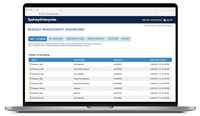
Our stellar ILS/LMS, used daily by special librarians, researchers, and information specialists, now offers AI-powered search! Get in touch to learn about SydneyDigital.
Lauren Hays
Librarian Dr. Lauren Hays is an Assistant Professor of Instructional Technology at the University of Central Missouri and a frequent presenter and interviewer on topics related to libraries and librarianship. Please read Lauren’s other posts relevant to special librarians. Learn about Lucidea’s powerful integrated library systems, SydneyDigital, and GeniePlus.
**Disclaimer: Any in-line promotional text does not imply Lucidea product endorsement by the author of this post.
Never miss another post. Subscribe today!
Similar Posts

Maintaining Our Professional Identity as Librarians in an Evolving Field
The term “librarian” no longer captures all we do. Lauren Hays on job titles, professional identity, and staying visible as the information field keeps evolving.
The Need for Instant Access in Libraries
Expert tips for how librarians can balance the imperative for quick information and instantly available resources and the time constraints resulting from proper research, specialist judgement, and access.

Information Overload—How Special Librarians Can Stay Focused
Approximately 90% of all data in existence has been created within just the last two years; making work that librarians undertake, e.g., discovery, discernment, curation, prioritization and dissemination increasingly valuable.
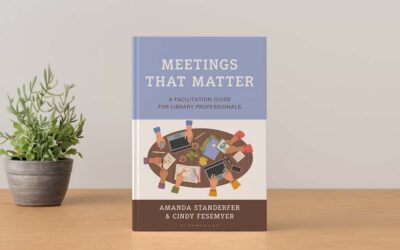
Interview with the Authors: Standerfer and Fesemyer on Meetings that Matter: A Facilitation Guide for Library Professionals
Being a great meeting facilitator is about understanding group dynamics, developing quality listening skills, practicing, and integrating what works. Two library experts describe how facilitation helps librarians make an impact.
Leave a Comment
Comments are reviewed and must adhere to our comments policy.
0 Comments