
Museum Collections Online: Digital Storytelling Blog Series Roundup

Rachael Cristine Woody
With storage full of collections, the possibility for storytelling is endless—all we have to do is weave the narrative. Pairing collections online with digital storytelling platforms has created an opportunity for innovation in how museums share the stories at the heart of their collections.
Presenting digitized collections material in a digital story format helps create memorable experiences and improves audience engagement, learning, and reflection. Dynamic storytelling platforms make these narratives even more captivating.
This hub page curates Rachael Woody’s series of posts on museum digital storytelling, providing a central resource for anyone seeking to better understand the strategies, tools, and use cases for online collections.
Digital Collections Meet Collections Online: An Opportune Time
As a field, we’ve reached a point where work to digitize collections now meets the ease and opportunity of online storytelling platforms. Digitized collections and accompanying data in museum collections management systems (CMS) offer high-quality ingredients for compelling stories.
Once a museum is ready to embark on creating a digital storytelling program, staff can immediately capitalize on work previously performed. There are a number of platforms—including the CMS—that can be used for dynamic storytelling, and storytelling design can be translated across a variety of tools regardless of the platform.
A Summary of Coverage
These past few months, we’ve shared a number of blog post series that break down digital storytelling infrastructure, approach, and tools. We’ve also highlighted examples and offered guidance for museums creating their own programs.
Below is a curated roundup of the introductory posts for each topic and a brief summary of the content covered in each series.
The Role of Museum Collections Online in Storytelling & Audience Engagement
Among the many benefits of digitized collections is the ability to use digital surrogates as an ingredient for enhanced storytelling. This series examines the three main storytelling goals from an exhibition perspective and how to approach each with collections online as a part (or the whole of) a story.
What You’ll Learn: How online collections can enhance audience engagement and support storytelling goals in exhibitions.
Exhibitions of Past, Present, and Future as Story Inspiration
Exhibition-related storytelling typically begins with a point of interest: person or people, a topic, or place. Then, we consider which objects in the collection relate to our point of interest and can help tell the story. But where and how can we derive inspiration for online storytelling? This series taps into another source of storytelling inspiration: exhibitions of the past, present, and future.
What You’ll Learn: How museums can draw narrative inspiration from exhibitions across time to enrich digital storytelling.
Museum Exhibit Design as Storytelling Infrastructure
Exhibit design provides the infrastructure needed for stories to materialize. Before translating the story from physical exhibition to digital, it’s important to understand how the physical design mechanisms support the story—as these are the ones we’ll want to translate to the digital realm. This series reviews three central aspects of exhibit storytelling and how they translate to digital.
What You’ll Learn: How physical exhibit strategies inform digital storytelling design.
7 Digital Storytelling Elements That Live In Your Museum CMS
The first tool to test story delivery is the museum CMS. The benefit of beginning with your CMS is that object data and representative images are largely available, providing an environment within which museum staff can experiment and find storytelling inspiration. This series evaluates how different digital surrogate types can aid in story crafting.
What You’ll Learn: Practical CMS-based elements you can use to build digital narratives for your museum collections.
The CMS Digital Exhibit and Story Pathways
In its most basic form, a digital exhibit is an online gallery that pulls together object data and digital assets in a purposeful display. Most digital exhibits have flexibility in how CMS content is included and provide areas for original content creation that pertains to the exhibit (aka the story). This series illustrates how storytelling infrastructure is present in a CMS digital exhibit and how you can shape the audience’s experience through your choice of story pathway.
What You’ll Learn: How to design digital exhibits that guide audience journeys through your collections.
An Introduction to Scrollytelling for Museums
This series reviews both code-based and no-code storytelling platforms along with real collection examples. Each example is dissected to identify the storytelling infrastructure, display tools, and overall effectiveness. This will help to emphasize that storytelling infrastructure is recognizable regardless of which platform is used.
What You’ll Learn: What “scrollytelling” is, with examples of platforms and use cases, and how you can use it to create interactive narrative experiences.
3D Storytelling and Virtual Tours for Museums and Cultural Heritage Sites
Platforms that offer 3D storytelling elevate the story experience for viewers. Many of the experiences offered on these platforms fall into the category of cultural heritage sites. This series looks at the features of 3D virtual tour platforms as well as various examples of the tools available.
What You’ll Learn: How museums and cultural heritage sites can use immersive 3D storytelling platforms to enhance audience engagement.
An Introduction to Immersive Museum Experiences
Immersive experiences are reshaping how stories are told—offering inspiration for digital and in-person museum storytelling. This series explores what museums can learn from these productions and how they’re changing audience expectations.
What You’ll Learn: Lessons from immersive experiences that can inform your own digital storytelling strategies.
Museum Digital Storytelling Programs: Understanding Resource Challenges
This series is designed to help you plan for a successful digital storytelling program. It covers the challenge of assessing resource needs when creating a new digital storytelling program for your museum, creating a business case, establishing technical infrastructure, and navigating the lack of replicable models currently available in the museum field.
What You’ll Learn: Practical considerations for launching a museum digital storytelling program.
5 Digital Storytelling Benefits (Plus One Deep Dive)
Building a digital storytelling program comes with challenges and benefits. To help build your case, this series can be used to persuade decision makers that a digital storytelling program is worth the resource allocation required and addresses some of the challenges we spoke of previously. This persuasive piece may also be helpful to use with potential team members or even sources of possible funding.
What You’ll Learn: How digital storytelling can contribute to your museum’s mission and audience engagement.
Reflecting on Lessons in Digital Storytelling
Collectively, these posts show how traditional storytelling infrastructure translates from exhibit application to online publishing. We reviewed modern CMS functionality and learned how the CMS can serve as the loom upon which a story is woven. We also reviewed digital storytelling strategies with examples of code and no-code storytelling platforms, 3D virtual tours, and immersive exhibitions.
The examples of digital storytelling throughout the posts demonstrate how even simple technical tools and concepts can deliver profound effects. Advancements in online tools have made it easier than ever to experiment with story delivery—and experimentation is very much encouraged.
Storytelling is critical to maintaining a museum’s relevancy and value to the community it serves. Digital storytelling contributes to both, while reinforcing that museums, at their core, are vessels for humankind’s stories. With technology, curiosity, and digitized collections, we can all be storytellers.
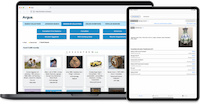
Seeking a high-tech museum CMS that allows you to offer engaging audio-visual experiences and share rich information with online visitors? Get in touch to learn about Argus!
Rachael Cristine Woody
Rachael Woody advises on museum strategies, digital museums, collections management, and grant writing. She has authored several titles published by Lucidea Press, including the forthcoming Weaving a Digital Narrative: Storytelling with Online Collections.
In the meantime, we invite you to download your copy of her most recent book, The Discovery Game Changer: Museum Collections Data Enhancement. Rachael is a regular contributor to the Think Clearly blog and presents a popular webinar series covering topics of importance to museum professionals.
**Disclaimer: Any in-line promotional text does not imply Lucidea product endorsement by the author of this post.
Never miss another post. Subscribe today!
Similar Posts

Power in Partnerships: The Unified Hub
A Unified Hub lets multiple museums leverage the power of one system—cutting IT costs, boosting collaboration, and expanding global discovery of their collections data.

Power in Partnerships: 3 Models for Sharing a Museum Collections Management System
Learn about partnership models for sharing a museum CMS—unified databases, shared access, and discovery portals—to reduce cost and expand discovery.

The Amplified Ask: Museum Fundraising Partnerships
Explore three real museum fundraising partnerships and the repeatable elements that make joint campaigns, products, and events successful.
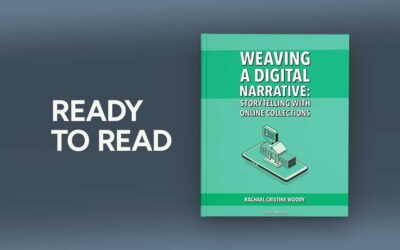
Ready to Read: Weaving a Digital Narrative: Storytelling with Online Collections
Lucidea is excited to release a new book from museum collections expert Rachael Christine Woody.
Leave a Comment
Comments are reviewed and must adhere to our comments policy.
0 Comments