
Lucidea’s Lens: Knowledge Management Thought Leaders
Part 124 – Hazel Hall

Stan Garfield
 Hazel Hall is an Emeritus Professor in the School of Computing, Engineering, and the Built Environment (SCEBE) at Edinburgh Napier University UK, and Docent of Information Studies in the School of Business and Economics at Åbo Akademi, Finland. She is a Fellow of the Royal Society of Edinburgh.
Her main research expertise and teaching interests are information sharing in online environments, within the context of knowledge management. Other interests include information behavior and use, online communities and collaboration, library and information science research, and research impact. Hazel’s doctoral thesis considered the role of intranets in knowledge sharing.
Here are definitions for five of Hazel’s specialties:
- Communities: Groups of people who share an interest, a specialty, a role, a concern, a set of problems, or a passion for a specific topic. Community members deepen their understanding by interacting on an ongoing basis, asking and answering questions, sharing their knowledge, reusing good ideas, and solving problems for one another.
- Intranets: Private computer networks that use Internet protocols, network connectivity, and the public telecommunication system to securely share part of an organization’s information or operations with its employees.
- Motivation: The process that initiates, guides, and maintains goal-oriented behaviors. Why a person does something, involving the biological, emotional, social, and cognitive forces that activate behavior.
- Research: Creative and systematic work undertaken to increase the stock of knowledge. It involves the collection, organization, and analysis of information to increase understanding of a topic or issue.
- Tacit knowledge: The implicit, unwritten, and often hard-to-articulate knowledge that an individual gains through experience. It is the “know-how” that is difficult to explain or codify, often involving intuition, skills, and contextual understanding. Unlike explicit knowledge, which can be readily written down or communicated through formal means, tacit knowledge is deeply personal and rooted in practice.
Hazel created the following content. I have curated it to represent her contributions to the field.
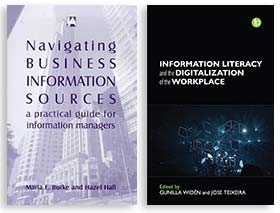
Books by Hazel Hall
Social Exchange for Knowledge Exchange
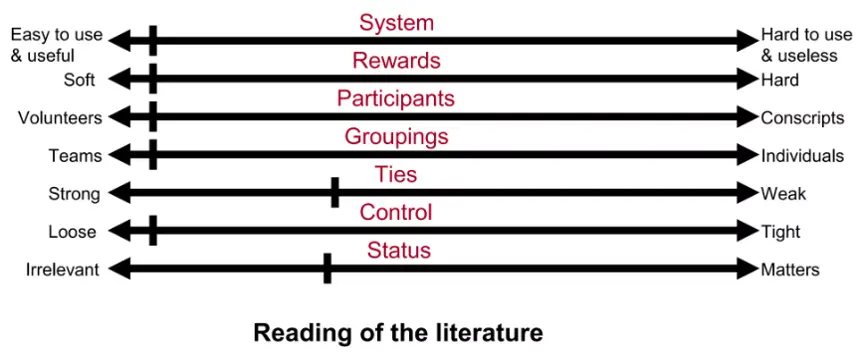

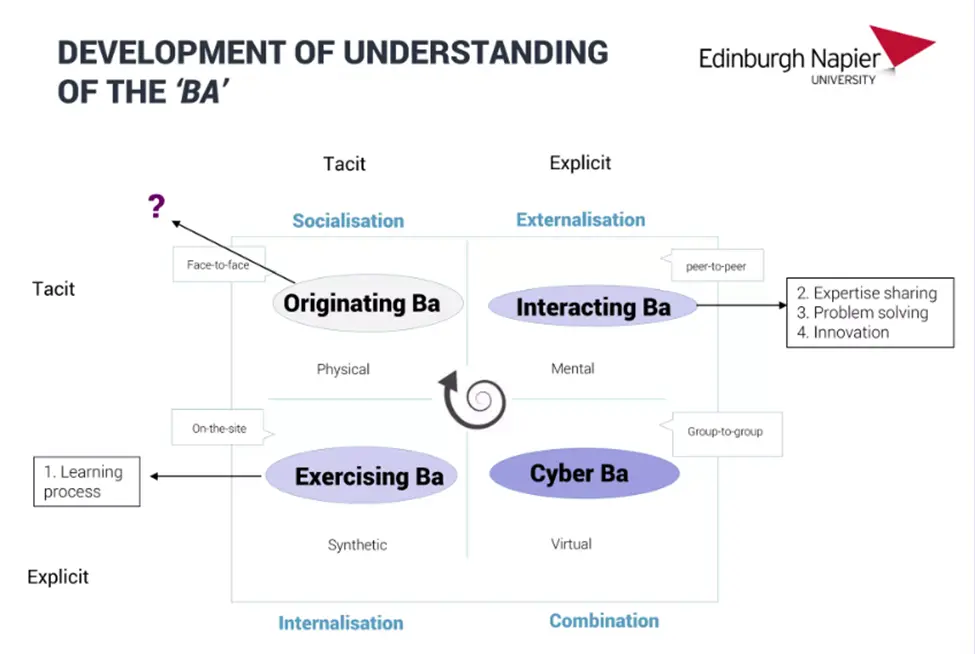
Tacit Knowledge Sharing in Online Environments
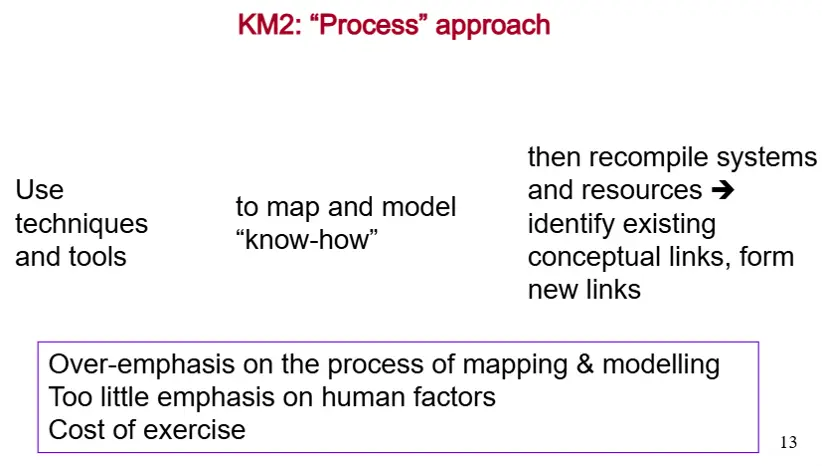
Knowledge Management and Knowledge Sharing


Searching for KM software that enables you to curate, manage, and share organizational intelligence in a single venue? Get in touch to learn about Presto!
Stan Garfield
Delve into Stan’s blog posts offering advice and insights drawn from many years as a KM practitioner. You may also want to download a free copy of his book, Profiles in Knowledge: 120 Thought Leaders in Knowledge Management from Lucidea Press, and its precursor, Lucidea’s Lens: Special Librarians & Information Specialists; The Five Cs of KM. Learn about Lucidea’s Presto, SydneyDigital, and GeniePlus software with unrivaled KM capabilities that enable successful knowledge curation and sharing.
**Disclaimer: Any in-line promotional text does not imply Lucidea product endorsement by the author of this post.
Never miss another post. Subscribe today!
Similar Posts

The KM Mentor, Part 9: Knowledge Management Certification
KM expert analysis and recommendations for knowledge management training and professional development that help build skills in a variety of specialties under the KM rubric.

The KM Mentor, Part 8: Top Knowledge Management Trends 2026
The intersection of AI and KM allows knowledge managers to inject the best KM into high-priority organizational AI initiatives; Stan Garfield’s review of 8 Top KM Trends 2026.

The KM Mentor, Part 7: What Can a Knowledge Manager Accomplish Without a Budget?
No budget for KM? Stan Garfield shows how 20 KM components and the Five Cs let you demonstrate value using only time and effort, and build the case for investment.

The KM Mentor, Part 6: The 10 Biggest Mistakes New Knowledge Managers Make
KM expert Stan Garfield offers his analysis of the 10 strategic mistakes it’s easy to make as a new knowledge manager, with practical options to proactively prevent them.
Leave a Comment
Comments are reviewed and must adhere to our comments policy.
0 Comments