
Going Beyond Immersive Museum Experiences at Outernet London

Rachael Cristine Woody
As museums explore new ways to engage audiences, immersive experiences are gaining traction both within and beyond the walls of traditional institutions. In this series, we’re examining how these experiences blur the lines between entertainment, art, and public education.
Last week, we took a look at the travelling immersive Vincent van Gogh experiences. Today, we’ll visit Outernet London: a unique, permanent immersive district that brings together storytelling, technology, and contemporary culture.
Exploring Outernet London
Located in London, England, Outernet opened in November 2022 as a permanent immersive entertainment district. Alongside its immersive elements, the district includes a hotel, bars, and restaurants. Many of its experiences, such as The Now Building and Now Trending, are free and open to the public, while others are ticketed events.
What Makes Outernet Immersive?
When reviewing the explanatory content provided by Outernet London, the common refrain is that the district is difficult to describe; one simply has to experience it.
For this post, we’ll focus on the core immersive experiences housed in—and on—the four-story “The Now Building”.
Similar to the van Gogh immersive experiences, Outernet offers breathtaking visuals on a large scale. Instead of focusing on public domain artwork, Outernet partners with local contemporary artists and museums, such as Tate Modern, to present original, sometimes site-specific work.
The Now Building integrates “entertainment, music, digital art, and branded experiences” through massive wrap-around LED screens that offer interactive capabilities. It offers an equal mix of musical experiences alongside visual artwork, with a rotating lineup of “shows” throughout the day. Outernet has evolved the concept of large-scale visuals with the ability to interact with what’s onscreen—adding a valuable layer of audience engagement that sets it apart from more traditional formats.
Summary of Features:
- Presented as an immersive “district” with hospitality and dining amenities
- Partnerships with contemporary artists
- Collaborations with local museums
- Produces one-time or otherwise limited events
- Interactive storytelling elements
An Immersive Storytelling Framework
Using a storytelling lens, we can break down the sensory and narrative techniques employed at Outernet:
- Story Path: Multiple Pathways
- Storytelling Performance Types: Oral, Written, Visual
- Sensory Setting: Lighting, Sound, Color, Texture
How Outernet Differs from Museums
Unlike the van Gogh experiences, Outernet is a permanent site on-scale with many medium-to large museums. Unlike traditional museums, it offers a fairly equal ratio of music to artwork in its immersive experiences.
In a way, Outernet’s exhibiting mission is to share stories through contemporary artists and digital technology—both aural and visual—whereas museums have remained focused (for the most part) on artifacts and tangible culture versus the intangible.
The contemporary focus also allows Outernet to tap into pop culture trends. The digital and event-based nature of Outernet productions allows them to be more reactive to what their audience is drawn to.
Museum Meets Business: What Can We Learn?
There are some interesting ideas to glean from Outernet London’s museum-meets-business execution. For example, museums might consider:
- How to tap into contemporary audience interests and cultural moments through exhibitions or pop-up installations
- Ways to incorporate digital storytelling to enhance audience engagement
- How to build flexibility into programming to remain responsive and relevant
The success of Outernet shows how digital storytelling, engagement with cultural moments, and a multi-sensory approach can drive deeper audience immersion—offering key lessons for museums looking to innovate.
In our final post in this series, we will look at another permanent venue built for immersive storytelling experiences: The Sphere in Las Vegas, Nevada.
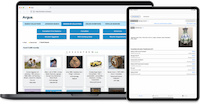
Seeking a high-tech museum CMS that allows you to offer engaging storytelling experiences and rich contextual information? Get in touch to learn about Argus!
Rachael Cristine Woody
Rachael Woody advises on museum strategies, digital museums, collections management, and grant writing for a wide variety of clients. She has authored several titles published by Lucidea Press, including her latest: The Discovery Game Changer: Museum Collections Data Enhancement. Rachael is a regular contributor to the Think Clearly blog and presents a popular webinar series covering topics of importance to museum professionals.
**Disclaimer: Any in-line promotional text does not imply Lucidea product endorsement by the author of this post.
Never miss another post. Subscribe today!
Similar Posts

Culture on Tap: The Power of Commercial-Cultural Partnerships
When cultural heritage aligns intentionally with local business goals, it unlocks a powerful value exchange that transforms heritage into an economic engine, aligning historical narratives with local commerce.

Civic Catalysts: How Museums and Local Governments Build Resilient Communities
Building alliances with local government shifts museums from the margins of community planning directly into the center of civic life. Detailed analysis of how the resulting ecosystem fortifies museum operations.

Joint Ventures in Museopreneurship: 3 Collaborative Models
The future of museum sustainability belongs to institutions that lean into collaboration rather than isolation, through shared art acquisitions, innovative brand franchising, or membership networks, amplifying impact while mitigating risk.

Unlock the Vault: How Museopreneurs Turn Content into Revenue
While launching paid digital content initiatives requires a shift in operations, technology, and mindset, the financial and educational rewards of scaling your museum’s impact online are undeniable.
Leave a Comment
Comments are reviewed and must adhere to our comments policy.
0 Comments