

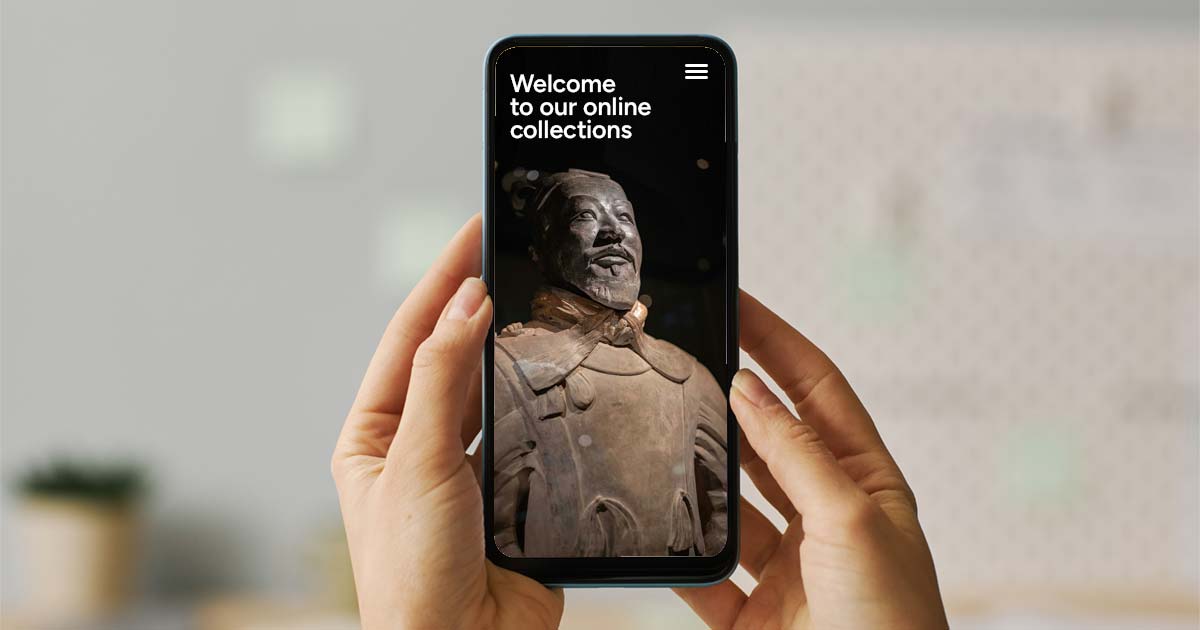
As collection stewards, we know publishing collections content online is an integral function of museums and critical to fulfilling their mission.
Sharing collections online (in all forms) builds connections with the community, informs education curriculum and research, and facilitates enjoyment and recreational use of collections content—in addition to supporting work across all museum departments.
Given the multi-faceted importance of online collections, much of our work should focus on improving, broadening, or deepening the museum’s online offerings.
With a new year just ahead, this quieter season offers an ideal opportunity to plan the next year’s slate of projects. It’s also a good time to evaluate whether your online content is effectively reaching audiences and supporting the museum’s goals.
This post will serve as a guide to help you assess a museum’s online content and identify priorities for future work.
Understanding Museum Collections Online
Before you begin, it’s helpful to clarify what “collections online” means. “Collections online” began as a phrase to indicate that records stored in the museum CMS were publicly available via the internet. “Check out our collections online” was a common refrain in the early twenty-first century, referring to public access to collection data and digital assets.
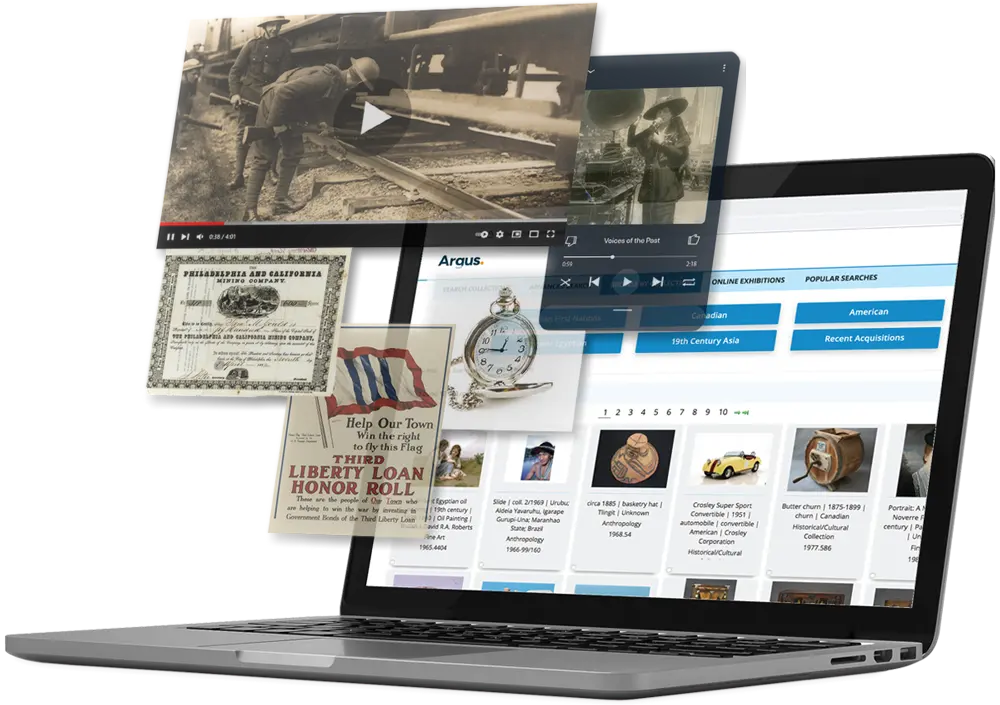
Today, “collections online” encompasses secondary content produced from the museum collections to further engage audiences. This includes content like:
- Browsable galleries
- Curriculum materials
- Stories (Scrollytelling)
- Videos
Each online item integrates collections content and encourages further use of the collection information or assets. Collections online offerings can be broad or deep, with each serving a distinct purpose for different audience types.
Broad vs. Deep Collections Online Offerings
Some offerings are broader and serve as a point of access into the collection. These broader options can be incredibly helpful to new or more general online visitors as an obvious jumping off point for exploring the collections.
Examples of broad offerings include browsable galleries and collection overview videos.
Other offerings are deeper as they home in on a specific aspect or area of the collection. These deeper options are ripe for supporting educational curriculum and specialist research. The information is narrow, but incredibly detailed, and offers the potential for deeper exploration of the collections.
Examples of deep offerings include curriculum content, stories, and topical videos.
Understanding which offerings are broad and which are deep helps you evaluate whether your museum is serving different audience needs.
Assessing Collections Online Offerings
The first step is to assess the quality of collections online offerings. For your initial foray into this type of assessment, you may choose to focus on one type or category.
For example: If the museum has recently experimented with scrollytelling, this may be an excellent option for assessment and improvement. Or, if you’d like to improve the broad category offerings, focus on browsable galleries and developing additional broad-view options for introducing the collections to online visitors.
If you don’t feel an immediate pull to a specific area, use the following prompts to perform a quick assessment to identify areas of focus for your upcoming project cycle:
- What is the quality of the collection online offerings?
- Is it possible to casually browse the collections through points of discovery?
- Is it possible to accurately search through the collection for like items?
- Are there gaps in collection representation?
- Are there gaps or inaccuracies in the data?
- Is the content accessible and easy to navigate across devices and for users of varying abilities?
If you would like more guidance for how to choose your next project idea, the following Lucidea Think Clearly blog posts may be of service: How to Choose Your Next Digital Project Idea and 5 Prompts to Prioritize Museum Digitization Projects.
Looking for More Inspiration?
There are dozens of ideas in Lucidea’s Think Clearly blog that can serve as inspiration. I have curated a few selections in areas that influence the quality of collections online offerings.
Additional Reading for Data Cleanup and Enhancement Inspiration
- Evaluating the Format of Museum Data
- Common Museum Data Messes to Look For
- Evaluating the Location of Museum Data
- How to Assess Museum CMS Data for Enhancement Opportunities
Additional Reading for Digital Project Inspiration
- From Preservation to Resilience: An Introduction to Building Resilient Digital Collections
- Building Resilient Digital Museum Collections: Protect and Plan
- Museum Collections Online: Digital Storytelling Blog Series Roundup
- An Introduction to Scrollytelling for Museums
What Next?
Once you have chosen a direction for your next project cycle, begin by gathering the information you have for that area. This can include specific observations or feedback the museum has received, online statistics on visitor behavior, and your own assessment of what may be lacking or needs improvement. This information will help inform the scope of work and what actions to take during the course of the project.
From Foundation to Planning
After you have completed the assessment, chosen a direction to focus on, and gathered the necessary information, you can begin developing a concrete plan. Next week, we will walk through plan creation so that you are ready to hit the ground running in 2026.


0 Comments