


The financial landscape for museums continues to present significant challenges, compelling those of us who steward these vital institutions to embrace creativity as an operational imperative.
As traditional funding models atrophy, the conversation among museum professionals has shifted beyond optimizing existing operations or the “doing more with less” model. Increasing focus is now turning toward building strategic resilience. But where to begin?
In this mini-series, we’ll review three main areas shaping the conversation:
- Museum mergers
- Shared software systems
- Collaborative fundraising initiatives
Each area offers valuable insight into how creative partnerships and structural realignments can reshape the sector. This post introduces the core concepts for this topic, which will be expounded upon in subsequent posts.
Structural Realignment: Museum Mergers and Shared Personnel
To be clear, museum mergers are not a new idea. However, the conversation—and those considering it—has expanded. This trend is not isolated to the museum field; we’re seeing it in the broader nonprofit sector, including larger universities like my alma mater, Pacific University.
A merger allows museums to pool resources while also cutting costs. For a lighter, non-merger option, shared personnel models are also on the rise as museums get creative with sharing both specialized and non-specialized staff. Shared personnel models and strategic mergers are becoming increasingly considered as “big ideas” for stability.
In a subsequent post, we’ll highlight two persuasive examples: the Demuth Museum and the Lancaster Museum of Art, as well as what is now called the Fort Collins Museum of Discovery. Each example offers a different approach that highlights just how creatively we can define and implement a merger concept. They also offer insight into the very real benefits and challenges to the epic pursuit of a merger.
The Digital Backbone: Shared Software Systems
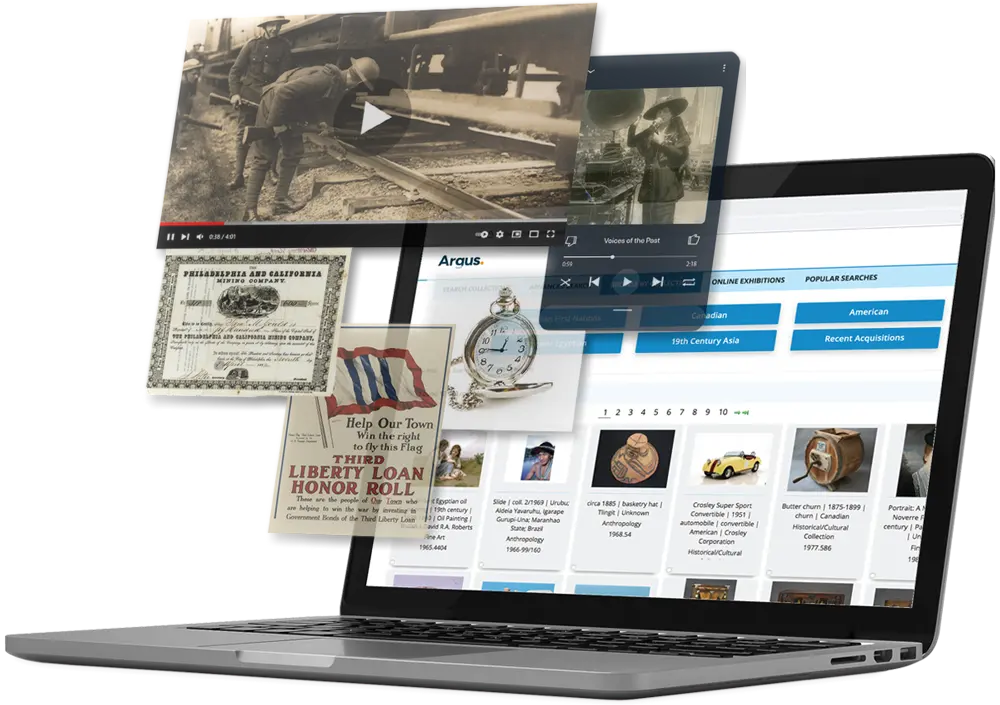
Beyond physical mergers, many museums are optimizing their “digital backbone” by adopting shared enterprise software systems, including shared collections management systems (CMS) and digital asset management (DAM) tools.
This strategy offers substantial cost efficiency and access to shared expertise—both appreciable commodities. However, implementation comes with hurdles, including navigating configuration, ensuring data isolation between different “tenants” (museums sharing the platform), and the complexities of technical implementation. Success often requires a phased approach and clear governance.
Perhaps the most interesting benefit is leveraging economies of scale. Museums can negotiate better licensing terms for robust software that would otherwise be prohibitively expensive for a single institution. Think of it as a “doing more with more” approach.
Museums are already used to consortia models and can draw upon existing resources and previous lessons-learned for a shared digital backbone approach. In a subsequent post, we’ll delve into the details of both the benefits and challenges of augmenting a museum’s digital backbone.
The Amplified Ask: Collaborative Fundraising
Finally, museums are finding excellent returns and renewed inspiration when joining up for philanthropic endeavors. Creative and collaborative fundraising amplifies impact and attracts new donors while delighting existing ones.
The creative partnerships in this area aren’t limited to your fellow peer museums. There are some truly original mashups that have emerged over the last few years that will excite you.
The examples we’ll review in a subsequent post include the following partnerships:
- The Henry Ford and the Detroit Symphony Orchestra
- Design Museum of Chicago and Cards Against Humanity
- The Ringling Museum and the Lighthouse of Manasota
Creativity and Collaboration Will Pave the Way
The path forward in a challenging financial landscape is paved with creativity and collaboration. Whether through formal mergers that redefine organizational structures, shared technology platforms that drive efficiency, or innovative fundraising partnerships that amplify influence, museum professionals are demonstrating remarkable resilience.
By embracing these creative partnerships, we can secure sustainable growth and ensure our vital institutions continue to thrive for future generations.






0 Comments