


A new year is almost here and it’s the perfect time to plan where we intend to focus our efforts in 2026. As collection stewards, the health of museum collection online offerings can impact how well we meet the needs of our constituents. And as we reviewed previously, collections online (in all of its forms) helps connect our collections to the online community, informs education curriculum and research development, and facilitates enjoyment and recreational use of collections content—in addition to supporting work across the museum departments. Last week we explored How to Assess Museum Online Content to Inform Future Work. In today’s post we’ll dig into the planning and preparation to undertake in order to ensure a smooth sailing project slate for 2026.
A Refresher on What We Mean by “Collections Online”
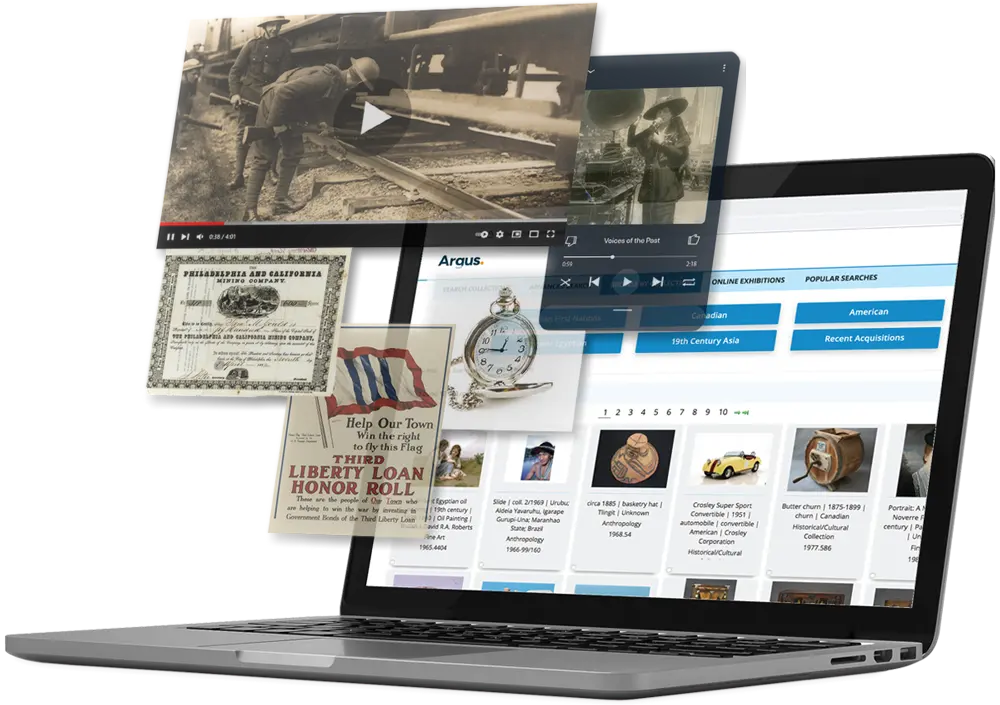
“Collections online” began as a phrase in the museum field to indicate the collections were publicly available via the internet. Its primary use is to refer to the content (data and digital assets) from the museum Collections Management System (CMS) that’s marked for publication online. However, “collections online” can now encompass secondary content produced from the museum collections that encourages the consumption of collections information.
How to Create a Collections Online Project Plan
There are several elements that make up the basics of a collections online project plan. This post will outline how to establish the following project plan areas: defining success, outlining plan activities, identifying resources needed, and drafting a project timeline.
Additional Reading for Digital Project Fundamentals
For more information on digital project fundamentals, please check out the following posts available via Lucidea’s Think Clearly Blog:
- How to Create Time for Effective Collections Management Work
- A Thoughtful Approach to Museum Digital Project Creation
- Museum Digital Projects: Elements to Include
- Create a Museum Digital Project Workflow that Works
Those posts offer insight into what project elements may be relevant to your project plan and can serve as project framework examples.
Establish What Success Looks Like
In project planning, it’s typically easier to work backwards from your destination in order to figure out how to get there. The destination is what we would define as a successful project end. Usually this includes both quantitative and qualitative measurements of what you’ve added to and improved. For collections online work this can include broadening or deepening the offerings. For example, increasing the number of browsable galleries, creating additional scrollytelling content, or enhancing collections data.
Establish Project Activities
Once you have outlined success metrics, it is easier to outline the necessary activities or tasks that will get you to your destination successfully. As you review each success criteria, map out how you can reach success by identifying every activity required to reach it. To begin with, don’t worry about getting the order exactly right. Once you’ve finished brainstorming activities it will be much easier to sort them into their proper order. For collections online work this can include the review, editing, and creation of collection data. Or, the activities it takes to create an online story or video deep-dive into the collection.
Establish Needed Resources
With success criteria and activities defined, it is now possible to consider the additional resources you may need to complete the project. For many of us who have small teams or work alone—it’s OK if it’s just you. But resources include more than staff. Consider supplies, equipment, software, or other tools you may need to complete the project successfully. For collections online work this typically includes software and staff requirements.
Establish a Project Timeline
With success, activities, and resources outlined we can now contemplate a timeline. The overall project duration will depend upon the scope of work. One of the easiest ways to derive a project timeline is to order the project activities and identify how long each may take. Each activity possesses a distinct cadence with specific actions and (usually) a form of deliverable. Collections online projects can be as short as a few months to as long as a year.
Additional Reading: Advice for How to Incorporate Interns and Volunteers
Our projects often incorporate other staff members, volunteers, and interns. I’ve curated the following posts to supply additional guidance on how your plan can incorporate teamwork in its various forms.
- How to Ethically Build Museum Intern and Volunteer Opportunities
- Museum TrendsWatch 2025: The Next Era of Volunteerism
- How to Best Leverage Museum Volunteers
- Museum Digital Project Roles for Staff, Volunteers, and Interns
- Strategies to Effectively Work with Museum Staff, Interns, and Volunteers
- Effective Technology Training for Museum Volunteers & Interns
- How to Incorporate Interns in Museum CMS Projects
- How to Incorporate Interns in Museum CMS Projects: Data Capture
- How to Incorporate Interns in Museum CMS Projects: Data Creation
- How to Incorporate Interns in Museum CMS Projects: Data Cleanup and Refinement
Additional Reading for Data Cleanup and Enhancement Fundamentals
If data cleanup or enhancement are on your list, the following posts offer guidance for planning specific and highly technical project areas:
- Create a Plan for Museum Data Cleanup
- How to Create a Plan for Museum CMS Data Enhancement
- How to Perform Museum CMS Data Enhancement
Designing with Intent
We have now reviewed how to assess and plan for museum collections online work for 2026 with both instruction and resources to dive deeper into a topic and derive inspiration. However, the guidance published here is perennial, meaning that you can break out this process any time you need to design an intentional period of project work.



0 Comments