
4 Ways to Promote Sustainability in Special Libraries

Lauren Hays
In an era of growing environmental consciousness, organizations worldwide are striving to minimize their ecological impact. Special librarians can be key players in this sustainability movement. Their institutions can do much to champion environmental stewardship while fulfilling their primary mission of providing specialized knowledge resources.
When we talk about sustainability in special libraries, we are not just thinking about recycling bins and turning off lights (though those help!). Sustainability is about finding smart ways to run things while saving money, working more effectively, and helping the planet.
4 Ways to Embrace Sustainable Practices in Special Libraries
How can special librarians become sustainability role models? Below are 4 practical ways to promote sustainable practices in special libraries.
1. Go Digital
Many special libraries are already digitizing their collections with the help of integrated library software—and this can have a direct impact on sustainability. When libraries digitize their collections, they are not just saving trees. They are also cutting down on storage space and making it easier for people to access materials from anywhere. This can reduce transportation needs.
Of course, this transformation requires careful strategic planning. Librarians must carefully evaluate materials for digitization based on factors such as usage frequency, historical significance, and preservation requirements. When executed thoughtfully, digitization can dramatically reduce environmental impact while expanding resource availability and library accessibility.
2. Smart Technology
Here is where we can get creative with the building itself. Simple switches can make a huge difference:
- Swap out old light bulbs for LEDs
- Install motion sensors that turn lights off when nobody’s around
- Increase insulation to keep the temperature just right
- Use smart thermostats to avoid heating or cooling empty rooms
Working with building managers makes this even better—they often have great ideas about saving energy without making everyone uncomfortable.
3. Cut Down on Waste
Special librarians can significantly affect sustainability through innovative waste reduction strategies. Key initiatives include:
- Implementing comprehensive recycling programs
- Adopting paperless administrative systems
- Digitalizing internal communications
- Utilizing eco-friendly office supplies
- Repurposing furniture and equipment
- Selecting sustainable materials for necessary printed materials
4. Educational Leadership
Special librarians can also lead in sustainability by:
- Being transparent about the ways the library is sustainable
- Developing specialized collections focusing on environmental topics
- Creating sustainability-focused educational programs
- Providing resources tailored to their specific user base
For example, business libraries might emphasize sustainable industry practices, while medical libraries could spotlight environmental health research and green healthcare innovations.
Sustainability is a Long-Term Commitment
The path to sustainability in special libraries combines technological advancement, waste reduction, collection digitization, and community education. This approach benefits the environment, enhances the library’s value proposition, and ensures long-term viability.
Ultimately, sustainable practices in special libraries represent more than environmental consciousness—they embody a commitment to creating resilient, adaptive institutions capable of meeting evolving user needs while protecting our planet’s resources.
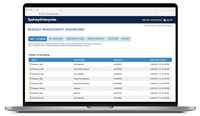
Need a stellar ILS/LMS to enhance access to print and digital resources, now and into the future? Get in touch to learn about SydneyDigital!
Lauren Hays
Dr. Lauren Hays is an Assistant Professor of Instructional Technology at the University of Central Missouri, and a frequent presenter and interviewer on topics related to libraries and librarianship. Please read Lauren’s other posts relevant to special librarians. Learn about Lucidea’s powerful integrated library systems, SydneyDigital and GeniePlus, used daily by innovative special librarians in libraries of all types, sizes, and budgets.
**Disclaimer: Any in-line promotional text does not imply Lucidea product endorsement by the author of this post.
Never miss another post. Subscribe today!
Similar Posts

Strategies for New Special Librarians: Gathering Data and Planning Work
Becoming embedded in an organization new to you includes documenting what you learn, helping build a culture of feedback, acting upon that feedback, and developing process improvements.

Month 2 as a New Special Librarian: Assessing and Prioritizing
Any new job can be overwhelming as you begin establishing productive professional relationships. Tips from a library expert on how to move from listening and learning to assessing and prioritizing.

Beginning a New Job as a Special Librarian: Tips for Your First 30 Days
Your first 30 days as a special librarian in a new job should include researching the organization, meeting people, and learning terminology, acronyms, workflows, and specific subject areas.
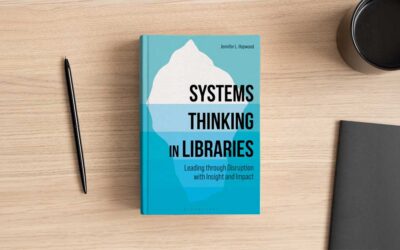
Interview with the Author: Dr. Jennifer Hopwood on Systems Thinking in Libraries
Systems thinking is about learning to understand a problem before rushing to solve it. It offers tools for identifying patterns, relationships, assumptions, feedback loops, and underlying structures.
Leave a Comment
Comments are reviewed and must adhere to our comments policy.
0 Comments