

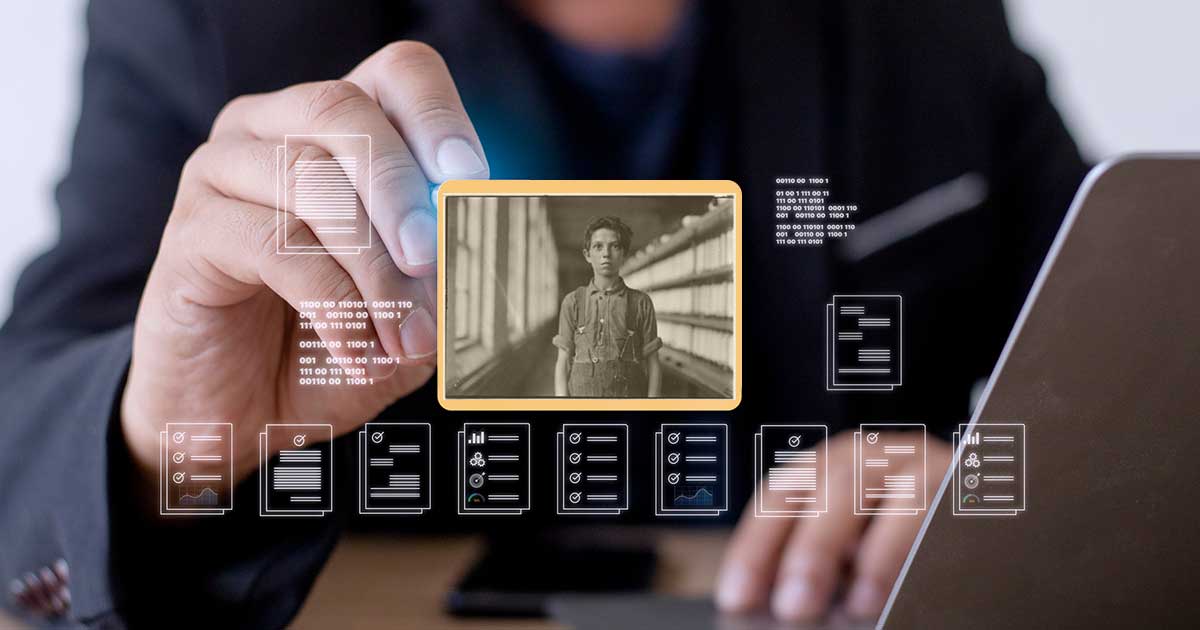
For decades, the primary challenge for archivists was scarcity; now, it is abundance. As archivists transition from paper to petabytes, folder-level review has become difficult. AI-assisted appraisal marks a paradigm shift by integrating machine learning into processing to help archivists determine what to preserve.
Archival Appraisal is Evolving
In the early 20th century, Hilary Jenkinson argued that archivists should be guardians, receiving records without interfering in their selection. Theodore R. Schellenberg introduced appraisal, reasoning that archivists must identify the evidential and informational value of materials.
As records grew, macroappraisal shifted the focus from the records themselves to the functions and creators behind them. AI-assisted appraisal is the next step, scaling judgment to address the challenge posed by born-digital records that are too voluminous for manual review.
Decoding and Training the Machine
Machine learning refers to a set of techniques for identifying patterns in data. Supervised learning involves archivists training an algorithm by labeling a subset of records, enabling the algorithm to predict the values of the remaining records. Unsupervised learning allows the machine to group records based on similarities without prior labels, using topic modeling to surface themes.
Reinforcement learning enables a system to improve its accuracy by receiving feedback from archivists. This process differs from automated records management rules engines, which follow if-then logic. AI-assisted appraisal uses natural language processing to understand context and the importance of key actors for more nuanced selection.
Moving from Data to Decisions
Before a machine can appraise, the data must undergo preprocessing. This method includes normalization to convert proprietary formats into readable text, deduplication, and entity recognition to identify names and locations. Archivists translate criteria, such as research potential, into features the computer can understand. This process is a shift from sampling, as AI enables retaining the most significant records based on their content rather than a random subset.
Mitigating Bias in AI-Assisted Appraisal
The use of AI raises concerns about bias. If training datasets reflect past prejudices, AI will automate those inequities. Many AI models obscure their processes, making it difficult to explain how they made choices. Institutions must prioritize transparency, which requires documenting the algorithms used, the training data selected, and the legal frameworks which informed the process. They should also implement audits and provide avenues for appeal when decisions affect stakeholders. Governance and evaluation mitigate risk and ensure that AI-supported archival practices align with professional principles and accountability expectations.
The Human Element: Archivists’ Oversight
AI augments expertise rather than displacing it. It allows archivists to perform the intellectual labor required for the most significant records. Implementing these systems requires technical infrastructure, including high-performance computer power and robust data governance.
Equally important is oversight: archivists must validate outputs and interpret ambiguous results. Algorithms cannot replicate the contextual knowledge and institutional memory that archivists embody. By integrating AI thoughtfully, institutions can enhance productivity while preserving expertise, ensuring that decisions about records remain aligned with societal priorities.
Related reading: How Archives Can Use Automation to Streamline Collections Management
Looking Forward: Archivists as Compass-Holders
The integration of AI into archival workflows necessitates a new ethical framework. The transition from manual selection to algorithmic assistance redefines the archivist’s role as a gatekeeper.
To maintain public trust, professionals must advocate for explainable AI, ensuring that the logic behind preservation decisions is auditable and sound. Cross-institutional collaboration should also develop shared models to prevent proprietary systems from dictating historical narratives. Technology bears the burden of scale, while archivists provide the moral and historical compass. AI-assisted appraisal can empower judgment to operate at the speed of the 21st century. By embracing these technologies, archivists ensure that digital records remain preserved for the future.






0 Comments