
by Rachael Cristine Woody | Jan 22, 2025
Exhibit design has long been a cornerstone of storytelling, crafting immersive, sensory-rich experiences within museum walls. But when the story moves beyond the physical space, how can the principles of exhibit design thrive in a digital realm?

by Rachael Cristine Woody | Jan 15, 2025
Designing an exhibit is more than arranging objects—it’s about guiding visitors through a story. But do your exhibits tell the stories you want visitors to experience?

by Rachael Cristine Woody | Jan 8, 2025
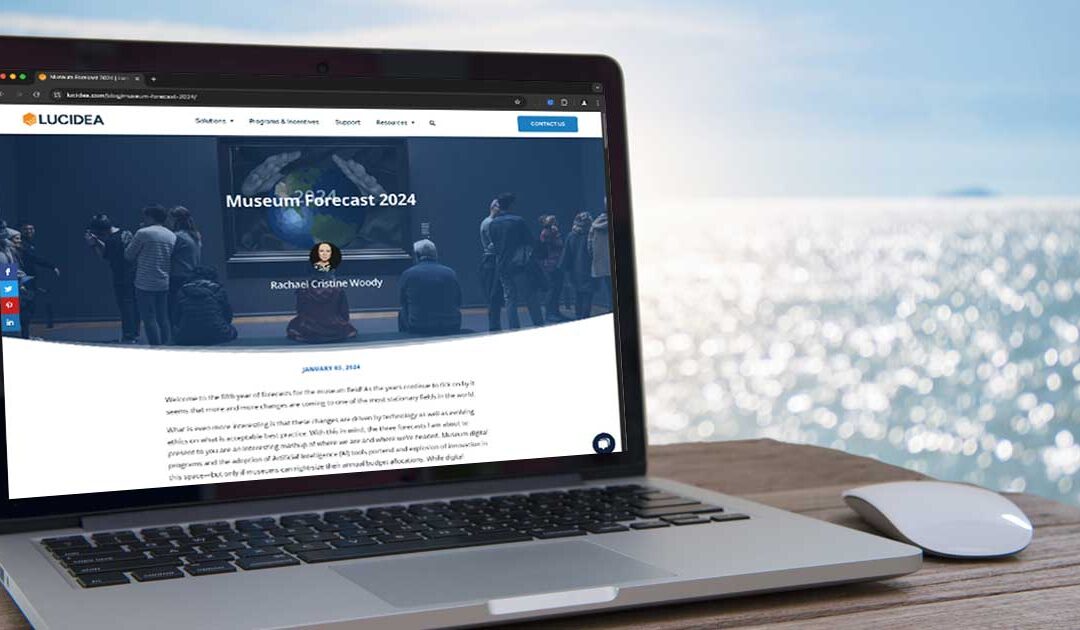
This is the sixth year of our forecasts for the museum field! An incredible amount of change has occurred in the sector which brings with it new challenges and opportunities.
by Rachael Cristine Woody | Jan 2, 2025
At the start of 2024, I shared three forecasts for museums regarding digital programs, AI, and burnout in the museum industry. This post recaps the specifics of my forecast and how those areas actually evolved over the course of 2024.

by Rachael Cristine Woody | Dec 18, 2024
Let’s look at the numbers and consider taking inspiration from what our visitors are most interested in. This demand-driven approach can be incredibly informative and can offer fodder for stories in perpetuity.

by Rachael Cristine Woody | Dec 11, 2024
Online exhibits lack the constraints that can make it impossible to relate stories in a physical exhibition and can inspire us to share in new ways

by Rachael Cristine Woody | Dec 4, 2024
In a previous post, I covered how the flexibility of collections online can inspire online storytelling. This week we’ll tap into another source of storytelling inspiration: exhibitions of the past, present, and future.

by Rachael Cristine Woody | Nov 27, 2024
Collections online offer multiple benefits for storytelling including greater flexibility and cost effectiveness around budgets and staff time.

by Rachael Cristine Woody | Nov 20, 2024
Storytelling with online collections is impactful, whether we choose online-only or as part of a hybrid approach to museum exhibitions.

by Rachael Cristine Woody | Nov 13, 2024
Digitizing museum collections introduces new and engaging opportunities for storytelling. By leveraging digital surrogates—essentially online representations of physical objects—museums can enhance how they present narratives and information to audiences.

by Rachael Cristine Woody | Nov 6, 2024
Storytelling with museum collections online allows for a great degree of flexibility, offers additional detail, and lends a dynamism that is difficult to produce within a physical exhibition.
by Rachael Cristine Woody | Oct 30, 2024
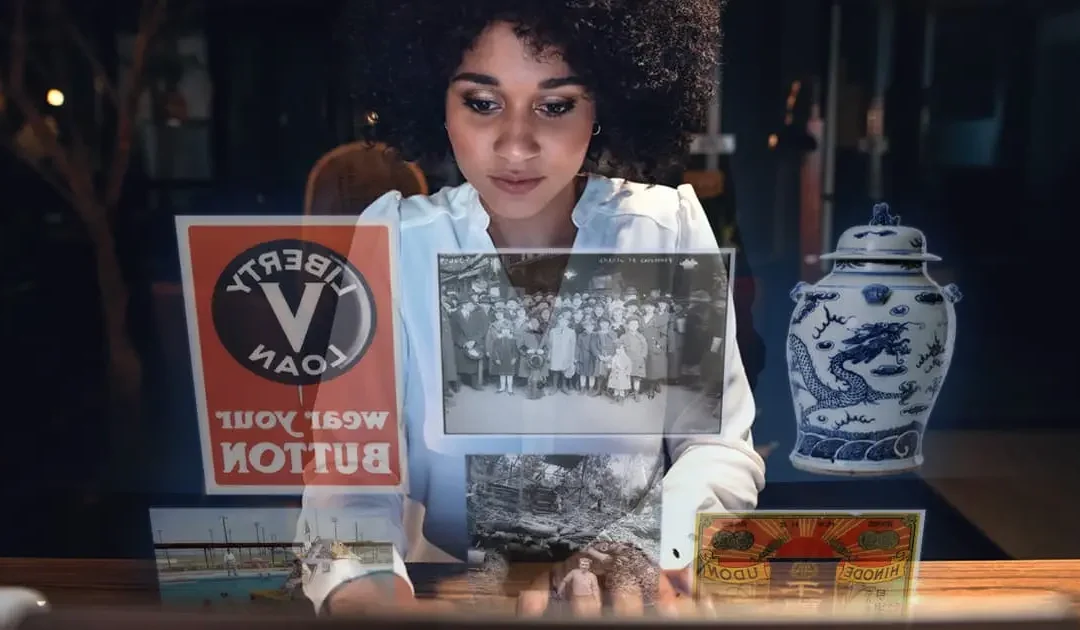
Last week we reviewed how archives can enhance museum collections online. This week will continue our work with an examination of specific examples, including what items different types of archives may contain and where to capture this data.
by Rachael Cristine Woody | Oct 23, 2024
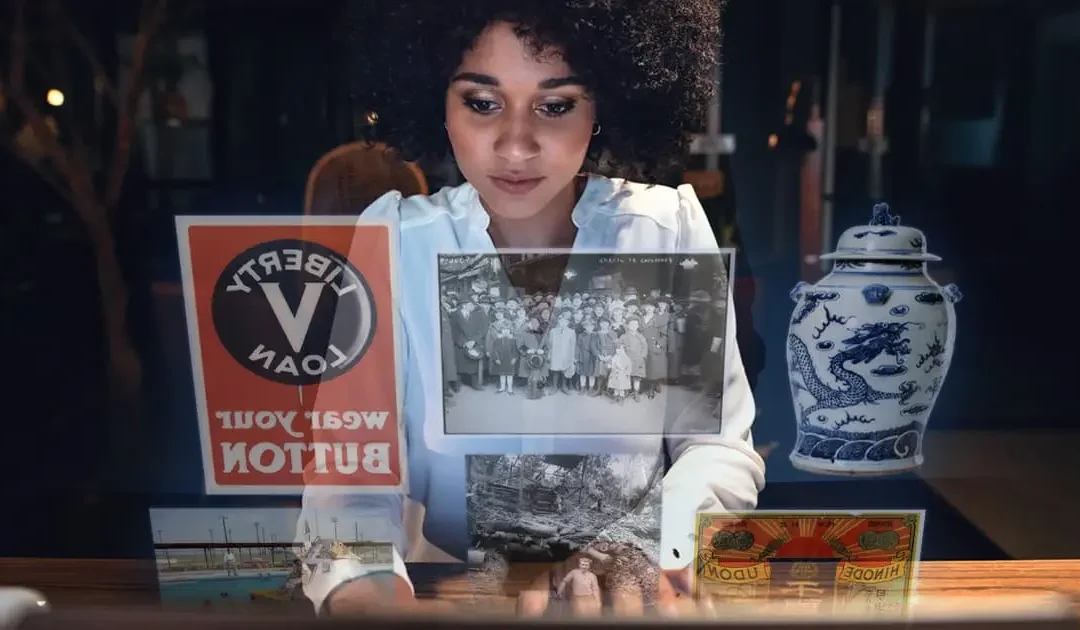
Staffed archives are in constant motion in their attempt to provide and broaden access to the archival collections.

by Rachael Cristine Woody | Oct 16, 2024
One of the wonderful things about museums is that the learning never stops. There are always projects, exhibits, and programs in development that serve as constant instigators of research.

by Rachael Cristine Woody | Oct 8, 2024
This month’s series focuses on the enhancement of museum object data using “hidden” troves of information. Hidden is in quotes because the information exists and often is not hidden—it just hasn’t been gathered for inclusion in the museum Collections Management System (CMS).

by Rachael Cristine Woody | Oct 2, 2024
Standard museum cataloging leverages the usual set of fields that are considered best practice. We tend to refer to this information as “the tombstone information,” meaning it is clear and concise in communicating the “need to know” information.

by Rachael Cristine Woody | Sep 25, 2024
Museums are well established as “empathy generators”, meaning the museum space in combination with artifacts and storytelling can help humans emotionally connect to (or at least better understand) other human groups that are different from their own.

by Rachael Cristine Woody | Sep 11, 2024
If you have a smartphone, have used a customer service chat, Googled, or asked Siri something, you have used Artificial Intelligence (AI). What about within the museum physical space?

by Rachael Cristine Woody | Sep 4, 2024
The museum field is not one that considers itself “cutting edge” or even very technical, and yet AI can have a tremendous positive impact on our work and how we engage with our audiences.

by Rachael Cristine Woody | Aug 28, 2024
Details of the five things to look for when assessing a fit between a funding opportunity and your CMS project.

by Rachael Cristine Woody | Aug 21, 2024
Grant applications often require in-depth project details; expert’s list of application information that makes a museum CMS project attractive

by Rachael Cristine Woody | Aug 14, 2024
Funders look for a compelling story, proof of concept, clearly defined activities and costs, what else you’ve done, and reference to best practices
by Rachael Cristine Woody | Aug 7, 2024
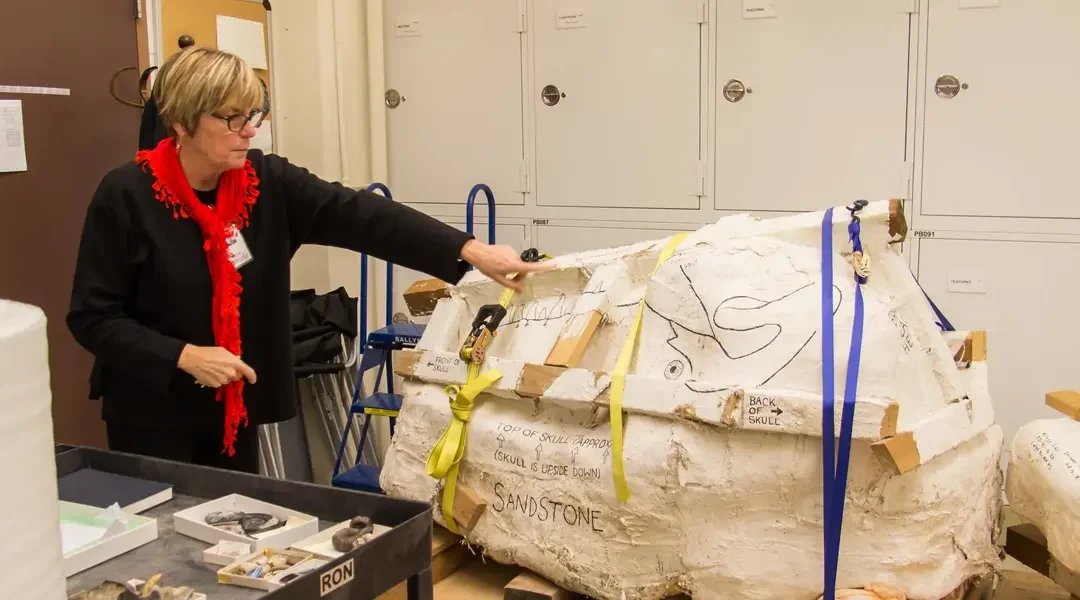
The number of grants that cover museum CMS work with access as the goal is increasing; what CMS work can you describe as a discrete project?

by Rachael Cristine Woody | Jul 31, 2024
WCAG Version 2.1 Principles 3 and 4: Understandable and Robust; guidance for easily readable content and access to assets via the museum CMS

by Rachael Cristine Woody | Jul 24, 2024
Compliance with WCAG Version 2.1 Principle 2: Operable
