
Translating Physical Museum Exhibits to the Digital Realm

Rachael Cristine Woody
The infrastructure offered through exhibit design is not limited to a physical, in-person setting.
In our previous post, we introduced foundational exhibit design concepts that serve as the infrastructure essential to storytelling: story path, storytelling performance types, and sensory setting.
In this post, we will review the three central aspects of storytelling with exhibit design and see how they translate to the digital realm.
Storytelling Infrastructure
To refresh, storytelling infrastructure in exhibit design includes:
- The Story Path
- Storytelling Performance Types
- Sensory Setting
We will explore how each aspect of storytelling infrastructure is executable on a digital platform, such as a museum CMS.
Exhibit Design Translated: The Story Path
The story path is the structure upon which the story is built; in a digital exhibit space, it is the digital pathway visitors take as they travel through the exhibit.
There are two types of story paths:
- Linear Pathway: There is only one digital pathway through the exhibit and therefore, only one true way to experience the story.
- Multiple Pathways: There are several digital story pathways visitors can take. While there is a sense of beginning, middle, and end, there is no wrong way to progress through the story.
Translating story path to a digital space comes with a few new challenges. In a physical space, it is evident that there is a physical path to follow—and there are typically visual cues to indicate whether you are at the beginning, middle, or end of the exhibit.
The physicality of the space doesn’t necessarily translate to a digital storytelling platform, which means we—as the story publishers—need to be direct in communicating to the visitor the beginning, middle, and end of the story, and orient them to where they are in that start-to-end flow.
Otherwise, visitors can be distracted or have difficulty understanding how the information they are receiving fits into the larger story. This confusion can dissuade visitors from continuing because they have no sense of how far they’ve come nor how far they have to go. Placement within a story can be signaled either textually or visually, in keeping with the overall exhibit style.
Exhibit Design Translated: Storytelling Performance Types
In addition to determining a pathway type, we must then consider how we intend to perform the story. As we explored in an earlier series, storytelling happens in several ways:
- Oral: Narration, oration, recitation, interviews, conversation
- Written: Exhibit panels, documents
- Visual: Objects, drawings, graphics, photographs, visual media
Each of these performance types are easy to incorporate digitally and lend themselves well to a digital platform. In fact, the digital venue sometimes makes it easier to include audio-visual media and images at a higher quality or offer an increased number of optional performances from which to choose.
Since many digital exhibits are specifically for visitors to enjoy outside the museum, the visitor can more easily engage with the performance types of their choosing and within the comfort of their own setting.
Exhibit Design Translated: Sensory Setting
Finally, once a story pathway and storytelling performance types have been selected, there are sensory aspects to consider. Sensory elements help provide an atmosphere to the story and can even be used to enhance a portion of the story. Understandably, there are limitations on which sensory elements we can provide via a digital platform, but there are still many ways to use sensory elements to increase audience engagement.
In a digital venue, setting the story atmosphere can include:
- Lighting (limited): Captured lighting during object imaging.
- Sound (no limitations): Narration, interviews, music, and even soundscapes are options to convey a portion of the story or help create the atmosphere.
- Color (no limitations): The use of color is a subtle way of conveying a mood of a story and signaling a tone shift. Humans interpret colors as emotions, so they can be used to both attract attention as well as convey an emotion that may otherwise be ambiguous.
- Texture (limited): Design elements with texture can also aid in setting an atmosphere. A rough, sharp texture can signal danger or wariness. A smooth and pleasing texture can emit a sense of peace and satisfaction. Regardless of whether a visitor can touch the elements, they can still subliminally pickup on how the textures in the room help set the tone. In a digital setting, texture can still convey information and help set the atmosphere.
- Temperature: Not applicable.
While there are some limitations to the sensory experience a digital story can provide for, in other ways the platform can offer an expansion of experiences via the senses it can affect. Additionally, as digital storytelling technology improves, there may be new and exciting ways we can further engage visitor senses.
Digital Platforms Offer Rich Museum Visitor Experiences
Translating stories from physical conception to a digital platform offers both opportunities and challenges. However, with creativity and a few good tools, the digital platform can often offer a richer and more accessible experience to visitors. In our next post we will review a digital exhibition using the story infrastructure elements we’ve reviewed as a way to examine the experience.
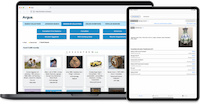
Seeking a flexible, extensible, museum CMS to deliver engaging multimedia experiences online? Get in touch to learn more about Argus!
Rachael Cristine Woody
Want to learn more about this topic? Please join us for the companion webinar, Storytelling Design: Translating the Physical to Digital, January 29 at 11 a.m. Pacific, 2 p.m. Eastern. (Can’t make it? Register anyway and we will send you a link to the recording afterwards). Register now or call 604-278-6717.
**Disclaimer: Any in-line promotional text does not imply Lucidea product endorsement by the author of this post.
Never miss another post. Subscribe today!
Similar Posts

Culture on Tap: The Power of Commercial-Cultural Partnerships
When cultural heritage aligns intentionally with local business goals, it unlocks a powerful value exchange that transforms heritage into an economic engine, aligning historical narratives with local commerce.

Civic Catalysts: How Museums and Local Governments Build Resilient Communities
Building alliances with local government shifts museums from the margins of community planning directly into the center of civic life. Detailed analysis of how the resulting ecosystem fortifies museum operations.

Joint Ventures in Museopreneurship: 3 Collaborative Models
The future of museum sustainability belongs to institutions that lean into collaboration rather than isolation, through shared art acquisitions, innovative brand franchising, or membership networks, amplifying impact while mitigating risk.

Unlock the Vault: How Museopreneurs Turn Content into Revenue
While launching paid digital content initiatives requires a shift in operations, technology, and mindset, the financial and educational rewards of scaling your museum’s impact online are undeniable.
Leave a Comment
Comments are reviewed and must adhere to our comments policy.
0 Comments