

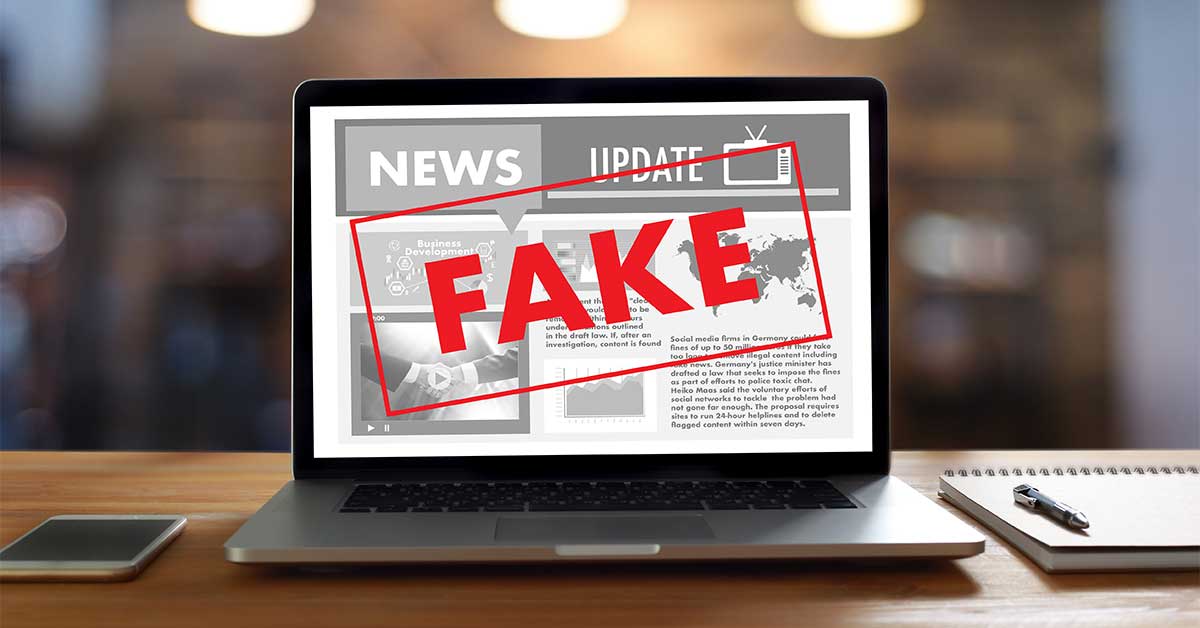
Accuracy is foundational to what we do. As special librarians, our users depend on us for information that meets their needs, and that information must be reliable and credible. We are also regularly asked to recommend sources, so we need to be able to judge credibility ourselves, not just point people toward it.
Misinformation isn’t new. But it has grown substantially, and AI has changed the equation. Content that once took hours or days to produce can now be generated in seconds. That means misinformation isn’t just more common; it’s more available, more convincing, and harder to catch.
So, what do we do about that?
Special librarians are increasingly seen as trusted evaluators of information reliability. Holding onto that role means two things: keeping our own evaluation skills sharp, and teaching those skills to the people we serve.
Sharpen Your Own Evaluation Process
In order to sharpen your own evaluation process, consider the following:
- Read laterally. Don’t evaluate a source in isolation. Open a new tab and check what else is out there. Has the claim been reported by outlets with an established track record? Has the author published elsewhere?
- Verify citations, not just claims. AI tools can generate citations that look real but aren’t. If a citation matters, check that the source exists and says what it’s claimed to say.
- Run reverse image searches. AI-generated images are now common enough that a quick reverse search is worth the extra minute, especially for anything visual that’s central to a claim.
- Watch for AI-writing patterns. This isn’t foolproof (and do not trust AI checkers!), but recognizing the rhythm of AI-generated prose is a useful flag that a source needs a closer look.
Teach Information Literacy Skills to Others
In addition to sharpening our own information literacy, we must teach these skills to others.
After all, our value isn’t just in finding information. It’s in vouching for it, and in helping others learn to vouch for it themselves. That means:
- Building short, repeatable checklists that users can apply on their own (you can use the four items above for a checklist).
- Offering brief workshops on spotting misinformation, and especially AI-generated misinformation.
- Modeling the process by checking sources out loud when you help someone with a research question, so they see your process, not just the information you provide.
Misinformation has always been part of our work, so I hope you do not see this as an extra responsibility. Instead, it makes our roles more important. In many ways, AI has raised the stakes with misinformation. It is important to stay sharp and current with what to be alert to when checking the accuracy of information. It is also important that we teach others to do the same. Ultimately, this is one way we keep the trust of our stakeholders.
Lastly, you may want to check out the book Verified by Mike Caulfield and Sam Wineburg. I reviewed it in a previous post. The book is a great resource for strategies for verifying content, including the SIFT Method.
I hope you check out the book Verified and spend time thinking about how you will address the issue of misinformation with your stakeholders.






0 Comments