
3D Virtual Tour Example (Part 2): Storytelling Tools in the Tomb of Queen Meresankh
See how the 3D exhibit of Queen Meresankh’s tomb uses archival materials, contextual links, and a dollhouse-style floor plan to deepen virtual storytelling.

See how the 3D exhibit of Queen Meresankh’s tomb uses archival materials, contextual links, and a dollhouse-style floor plan to deepen virtual storytelling.

Discover how self-determinate multiple pathways offer flexible, interactive storytelling in museum exhibits. Learn from the Tenement Museum’s ‘Your Story, Our Story.’

Rachael Woody emphasizes that storytelling is key to engaging audiences with collections. One effective approach? The prescriptive linear pathway—a simple yet powerful method for guiding visitors through digital exhibits.

Digital exhibits provide powerful ways to engage audiences, but choosing the right story pathway is key. Explore how different exhibit structures—linear vs. multi-pathway—shape the visitor journey.

Museums thrive on storytelling, and the right digital tools can make all the difference. Slideshows and flipbooks offer an engaging way to showcase collections, drawing visitors in with dynamic visuals and interactive elements.

Visual tools such as zoom are crowd pleasers when presenting visual content online, allowing museums to create immersive and engaging digital experiences.

A museum’s Collections Management System (CMS) is more than just a catalog—it can also serve as a foundation for digital storytelling. By leveraging the rich object data and images already housed in the CMS, museum professionals can experiment with new ways to craft compelling narratives. In this article, Rachael Cristine Woody explores how different types of digital surrogates can bring museum collections to life online.
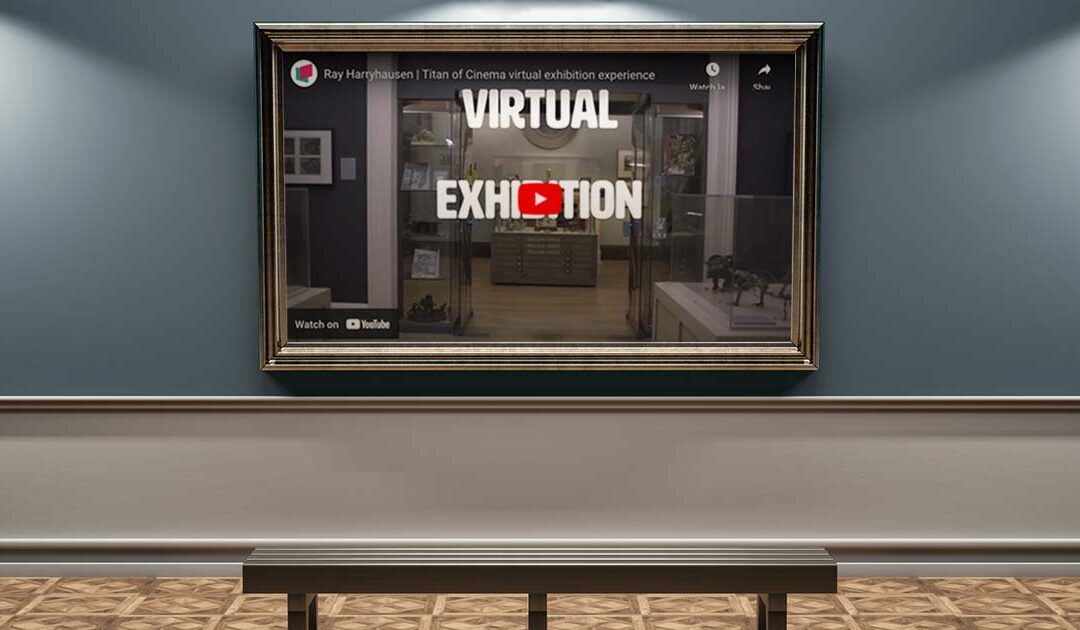
When the physical exhibit was forced to close prematurely, NGS pivoted to a fully online, digital exhibition. What resulted is a masterclass in digital storytelling, utilizing a multi-pathway structure and a variety of storytelling performance types.

Let’s look at the numbers and consider taking inspiration from what our visitors are most interested in. This demand-driven approach can be incredibly informative and can offer fodder for stories in perpetuity.
Online exhibits lack the constraints that can make it impossible to relate stories in a physical exhibition and can inspire us to share in new ways

Collections online offer multiple benefits for storytelling including greater flexibility and cost effectiveness around budgets and staff time.

Storytelling with online collections is impactful, whether we choose online-only or as part of a hybrid approach to museum exhibitions.

Digitizing museum collections introduces new and engaging opportunities for storytelling. By leveraging digital surrogates—essentially online representations of physical objects—museums can enhance how they present narratives and information to audiences.

Storytelling with museum collections online allows for a great degree of flexibility, offers additional detail, and lends a dynamism that is difficult to produce within a physical exhibition.
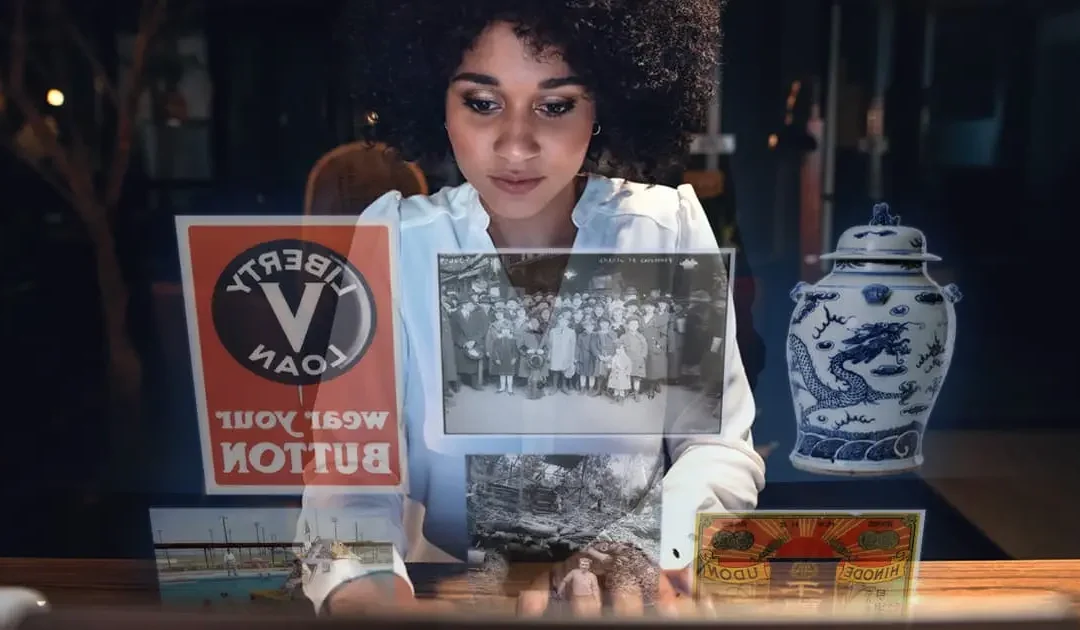
Last week we reviewed how archives can enhance museum collections online. This week will continue our work with an examination of specific examples, including what items different types of archives may contain and where to capture this data.
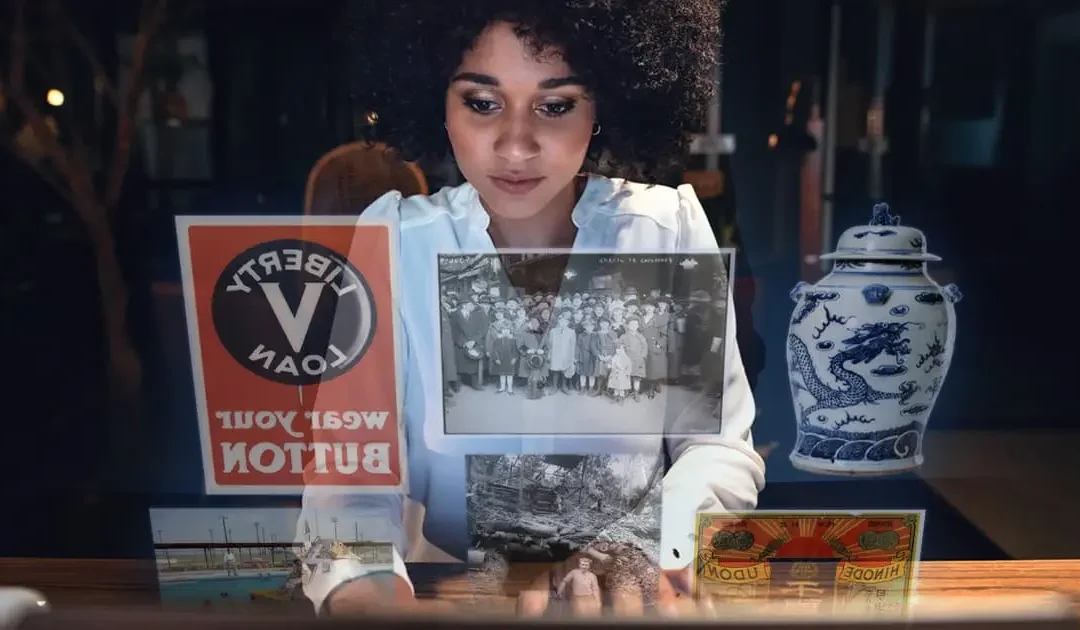
Staffed archives are in constant motion in their attempt to provide and broaden access to the archival collections.

One of the wonderful things about museums is that the learning never stops. There are always projects, exhibits, and programs in development that serve as constant instigators of research.

This month’s series focuses on the enhancement of museum object data using “hidden” troves of information. Hidden is in quotes because the information exists and often is not hidden—it just hasn’t been gathered for inclusion in the museum Collections Management System (CMS).

Standard museum cataloging leverages the usual set of fields that are considered best practice. We tend to refer to this information as “the tombstone information,” meaning it is clear and concise in communicating the “need to know” information.
Lucidea to sponsor the 2024 MAM conference; leader in innovative collections management software and developer of ArchivEra and Argus.

What excites me the most about Generative Artificial Intelligence (GenAI) application to museum work is its potential to improve discoverability of museum collections online.
Lucidea, developer of Argus CMS and leader in innovative museum collections management software, will attend the AMaGA 2024 annual conference.

WCAG Version 2.1 Principles 3 and 4: Understandable and Robust; guidance for easily readable content and access to assets via the museum CMS

Now we understand DEAI as a permanent program, museums are including it in budgets, which requires reprioritization

Book from museum expert guides professionals through prioritizing digital projects, finding grant funding, ending misperceptions, incorporating staff