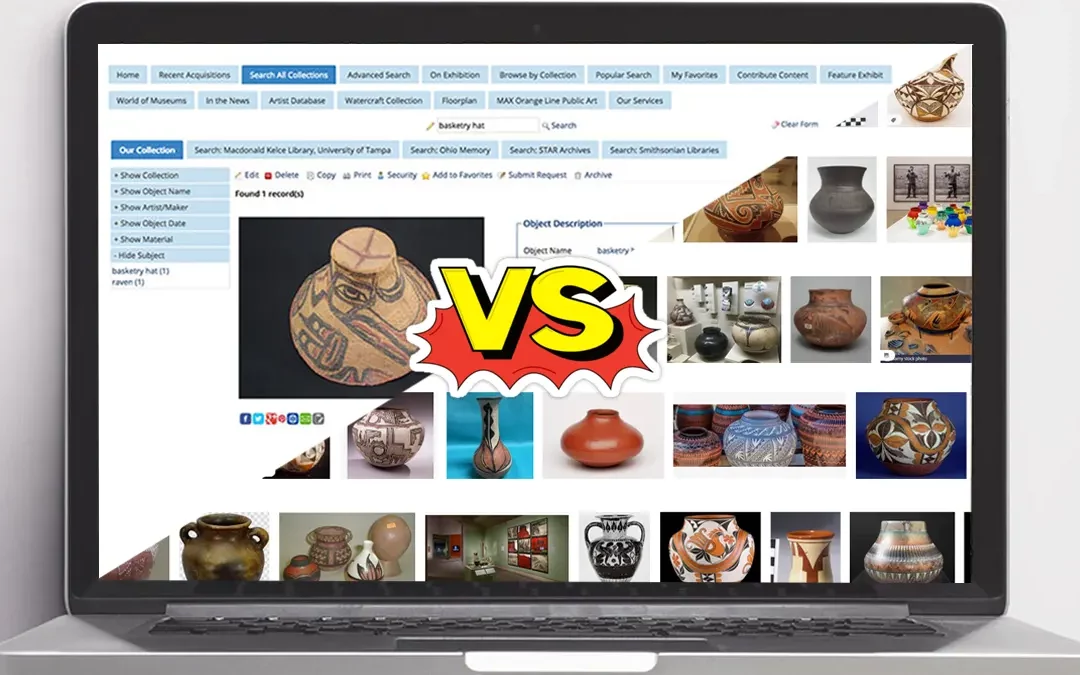
Figuring out a Museum DAMS Solution When You Only Have a CMS
If your museum has a CMS but not a DAMS (and no budget for a DAMS) there are a few ways you can creatively construct a “for now” DAMS solution.

If your museum has a CMS but not a DAMS (and no budget for a DAMS) there are a few ways you can creatively construct a “for now” DAMS solution.
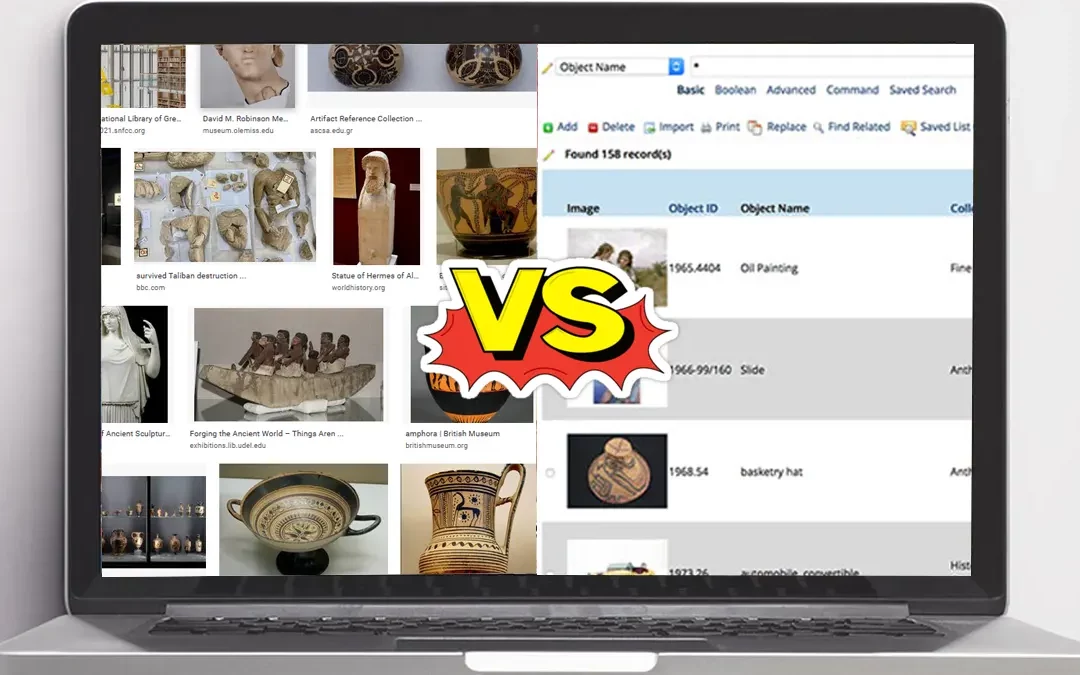
There are differences and overlaps between a museum DAMS and CMS, and how they’ve evolved their cross-functionality to address real-world needs.

Museum digital files are assets museum staff use to care for, manage, and represent the physical collection. Using a DAMS is an important investment.
The final post in a series on the Harryhausen Titan of Cinema Experience analyzing the specific pivot to an online virtual exhibition during COVID.
The third post in a series on the Harryhausen Titan of Cinema Experience analyzing the specific pivot to an online virtual exhibition during COVID
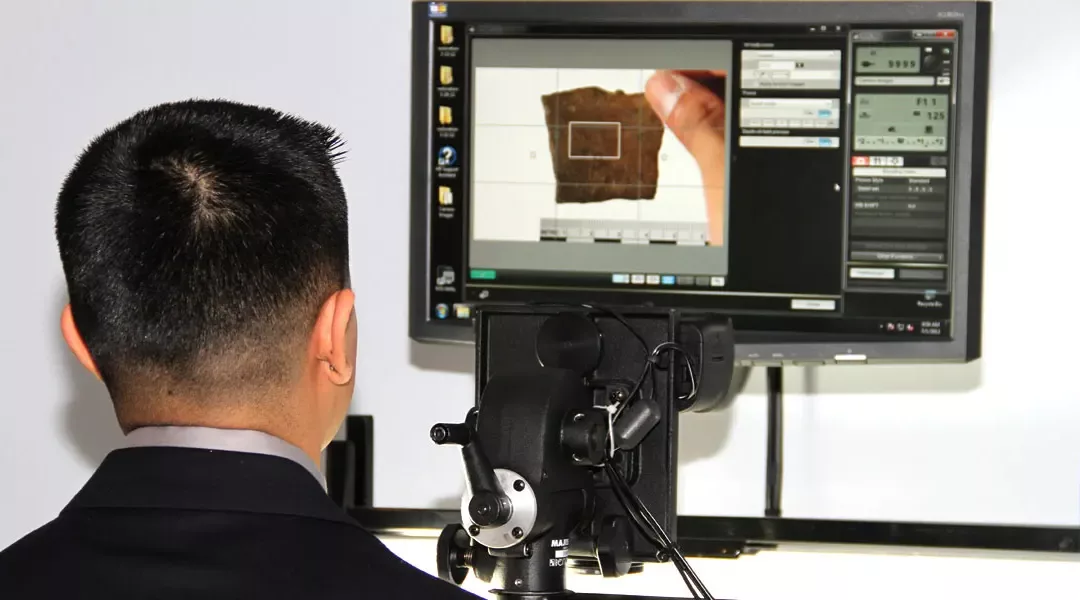
Before a museum collections digitization project, assess what types of items you have and therefore, what digitization tools you need.
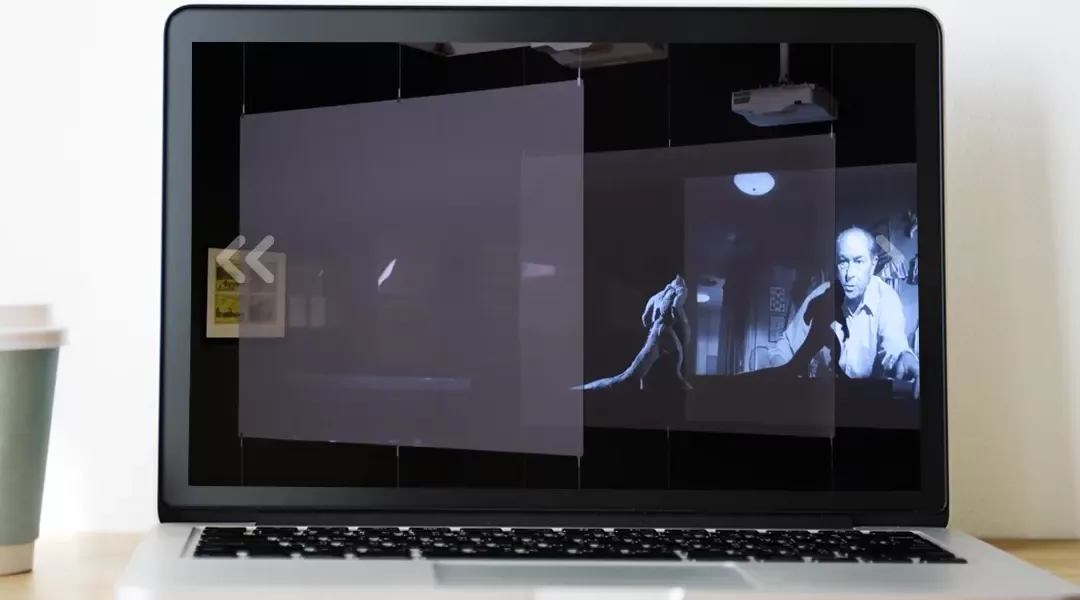
The second post in a series on the Harryhausen Titan of Cinema Experience analyzing the specific pivot to an online virtual exhibition during COVID
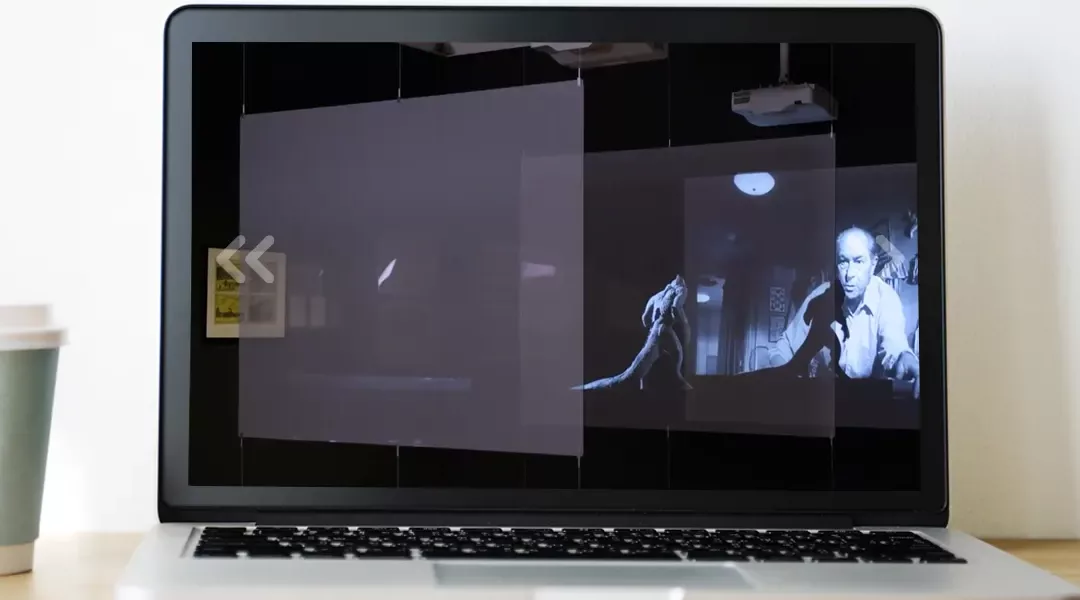
The first post in a miniseries on the Harryhausen Titan of Cinema Experience analyzing the specific pivot to an online virtual exhibition during COVID

There are 3 project management strategic areas critical to the success of any museum digital project: accountability, communication, and flexibility.

Most museum collection workers have no experience in project management; but digital projects must include basic project management principles
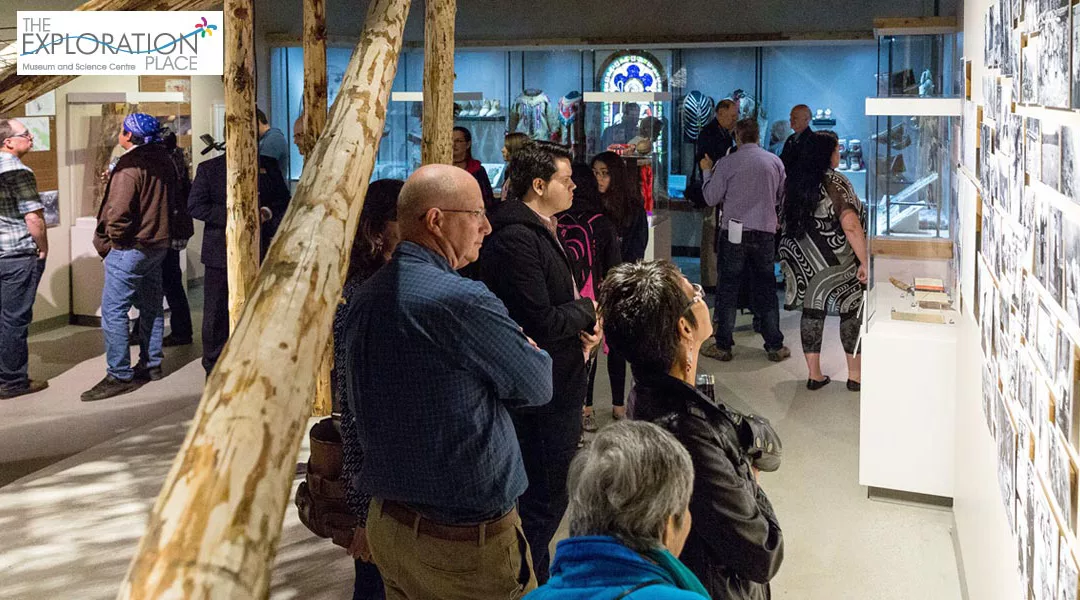
The Exploration Place in British Columbia uses the Argus CMS to support a wide variety of collections and requirements, building a cultural community

Museum digital projects should always include definitions of these four components: objectives, stakeholders, resources, deliverables
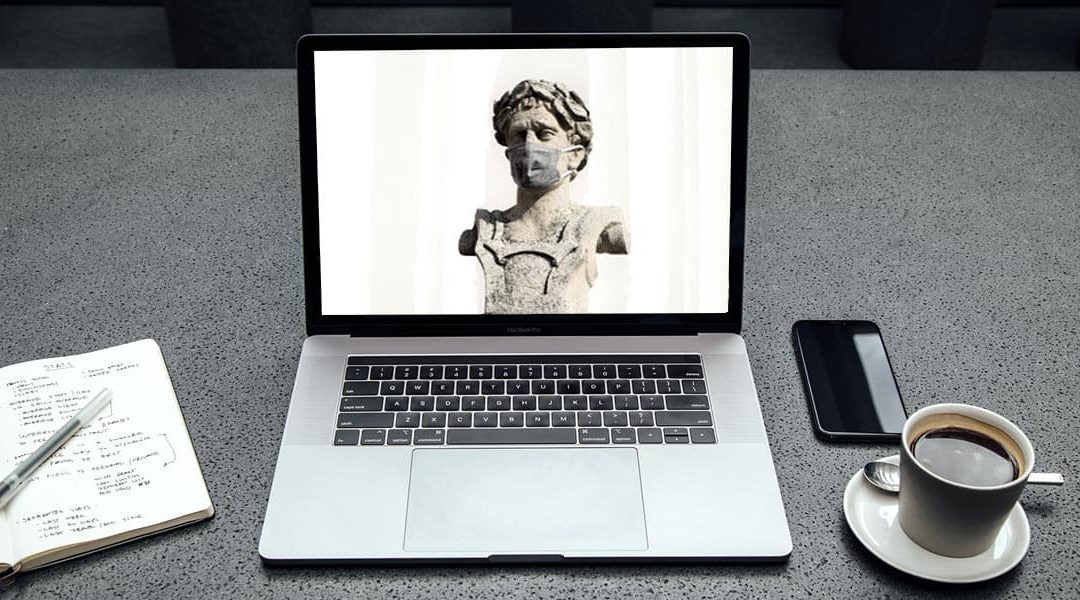
During COVID-19, museum digital projects evolved to absolutely and urgently required, high priority, the only activity staff could perform remotely.
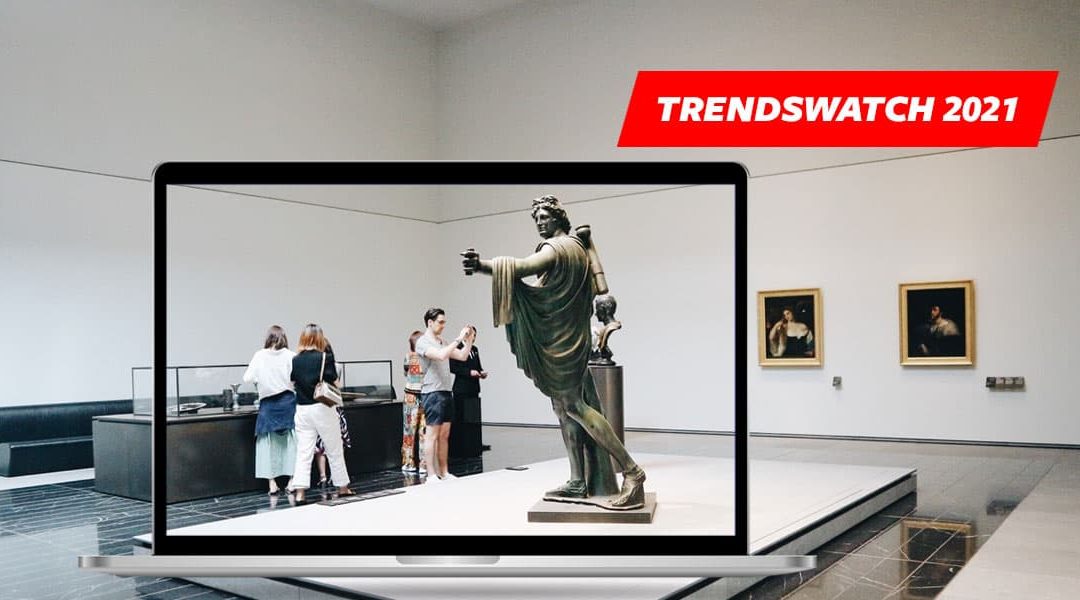
The third in a series of 6 posts from Rachael Cristine Woody analyzing the elements of AAM’s Center for the Future of Museums TrendsWatch Report 2021

If museums can just financially-survive COVID-19 there is a tremendous opportunity to get incredible digital collections management platforms.

Museum Collections Management System (CMS) choices depend on your end goal, what tools you need to get there, and how big your budget is.
Digital museum collections work and the CMS tools we use are more essential now than ever; this will likely remain true post-pandemic.

DAMS and CMS platforms have similar functionality, but there are differences in how well those work and whether they meet museum requirements.

Priorities in LAMs committed to inclusivity include creating demographically appropriate content and spaces with input from those demographics
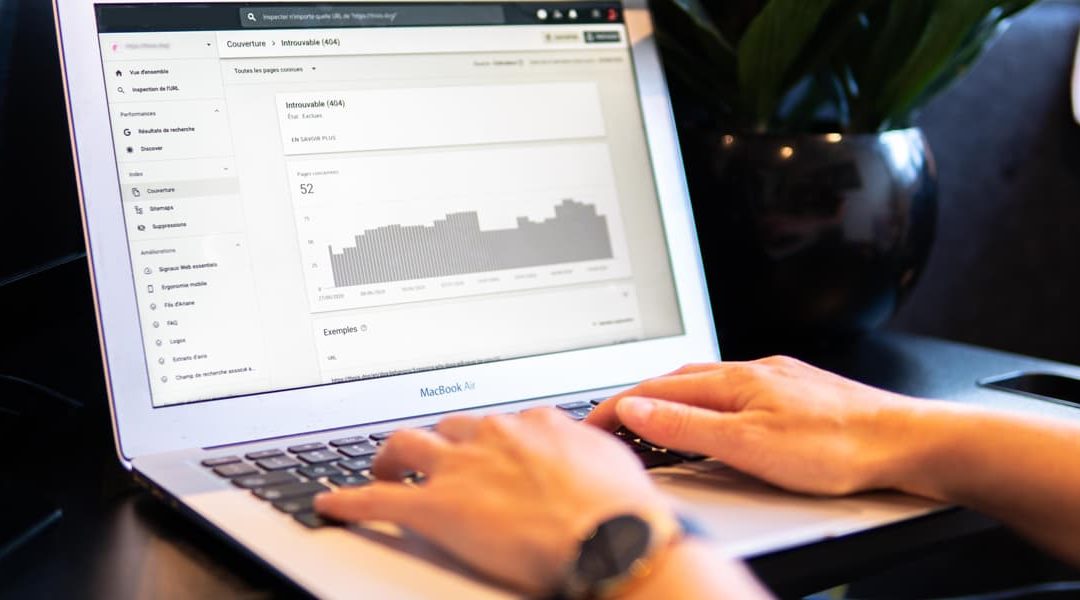
A museum’s digital presence is just as important as its physical presence; we need to start using our CMS data when we speak about collection value.
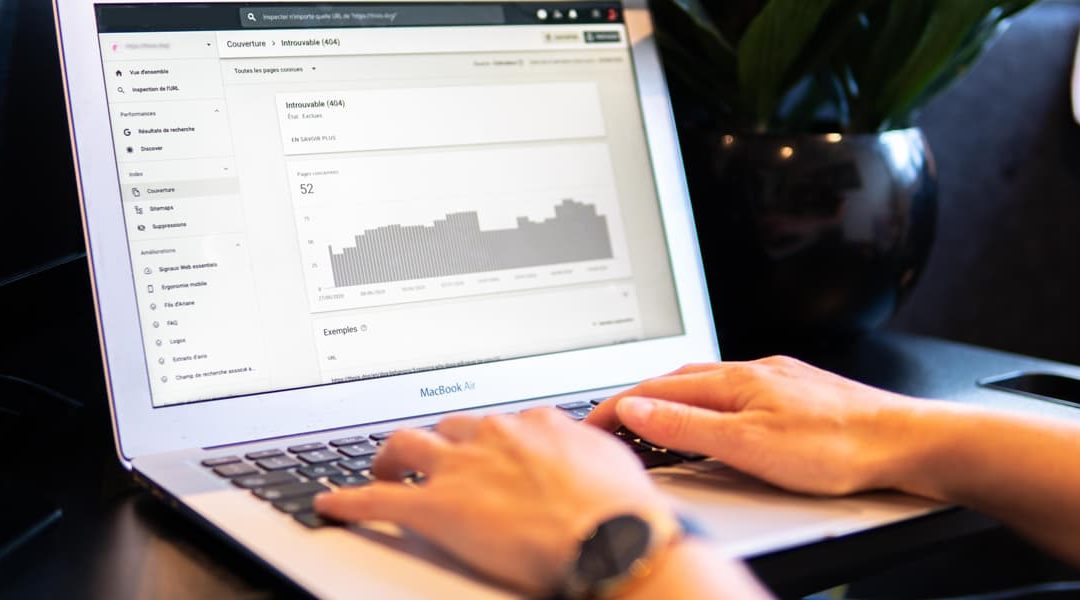
Definition of museum Collections Management System (CMS) data, outlines how to find CMS data and highlight the data that provides the best insights.

Digital museum SEO is a continual practice; investing in and maintaining good SEO should be incorporated into routine maintenance of your museum CMS.

This post describes how to effectively test the SEO of a museum CMS and offers 5 methods for how to get a jump start on improving it.

Search engine optimization (SEO) expands the reach of a museum CMS to make collections widely discoverable.

The ability to upload, publish, and engage with multimedia files within the museum CMS is critical to meeting user experience (UX) best practices