
Meet Baseline Visitor Expectations with a Multimedia Museum CMS
A museum collections management system (CMS) must appeal to digital visitors by offering related multimedia materials grouped together

A museum collections management system (CMS) must appeal to digital visitors by offering related multimedia materials grouped together

Fully integrated CMS portals offer benefits for the museum, staff, and digital visitors—and should be considered over other options whenever possible
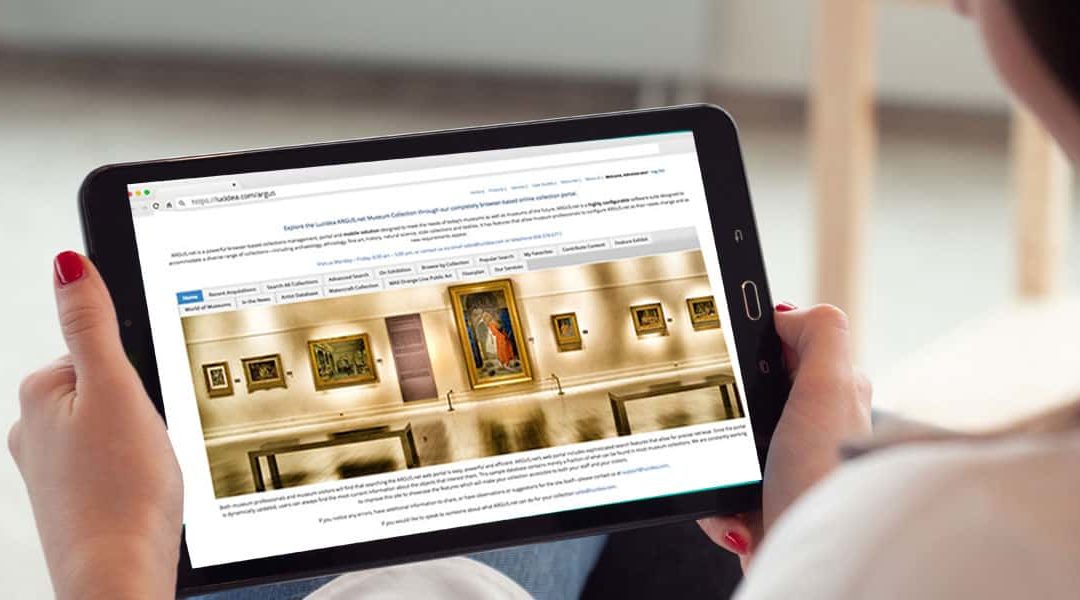
Discovery designed for the digital hobbyist means providing avenues for visitors to browse information, an object, or collection at the museum.

Your museum CMS must accommodate mobile-first or mobile-primary users due to the reality of pandemic-induced working from home into the future
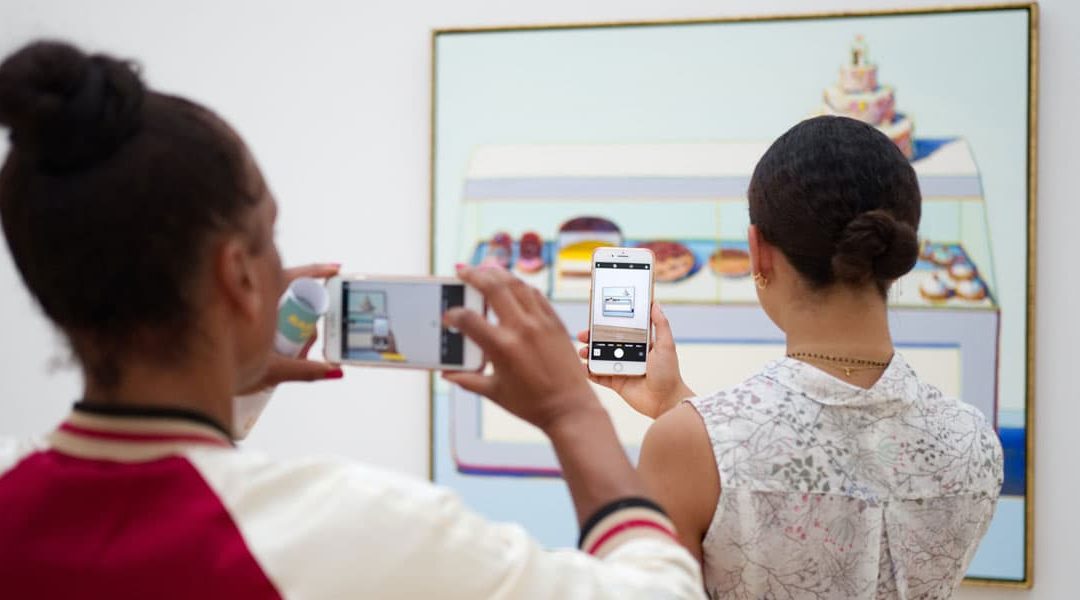
Museum patrons use mobile devices to plan and visit collections, make purchases, and donate. A great mobile CMS experience mimics in-person visitation

A mobile museum CMS contributes to visitor education, enrichment, enjoyment. It supports staff who perform work in stacks, in the field, or at home

Museum leaders must focus on financial capital—investments that generate income—and think strategically about how to grow and leverage it.

Museum leaders must make sure that staff have all the tools needed to work remotely, including a web-based CMS and options for personal connection.

Museum workers can focus on digital museum projects while working remotely; digital asset cleanup, digital collections management, and digital strategy

The top five barriers to museum entry and enjoyment for seniors are: comfort, sensory, physical accessibility, safety, and practical access.

Museum unpaid internships are common; commitment to Diversity, Equity, Accessibility, and Inclusion (DEAI) is a reason to prioritize paid internships

Visitor engagement with museum collections and exhibits includes the use of technology to augment and expand their experience and enjoyment.

If a digital museum project requires working with a digitization vendor, museum staff must put digital project specifications in place—here’s a primer

Digitization is costly either done in-house or by a vendor; museum staff should assess digitization needs and risks/benefits of using external vendors.
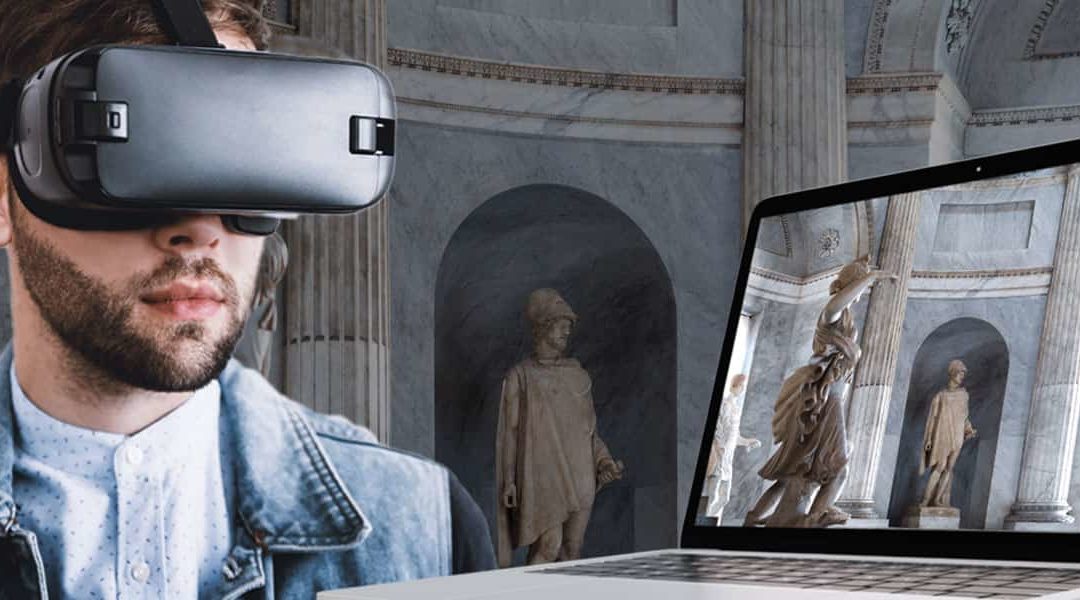
Immersive digital cultural heritage experiences (CHEs) can be constructed with the support of a museum Collections Management System (CMS)

List of 2020 museum conferences. With schedule, travel, and budget constraints, museum professionals need a strategy for planning conference attendance.

Museums and social media are a great combination; Twitter makes museum professionals more available to the public, answering questions building interest.

The museum collections management system (CMS) will be most accurate and effective if museum staff first establish standards and best practices
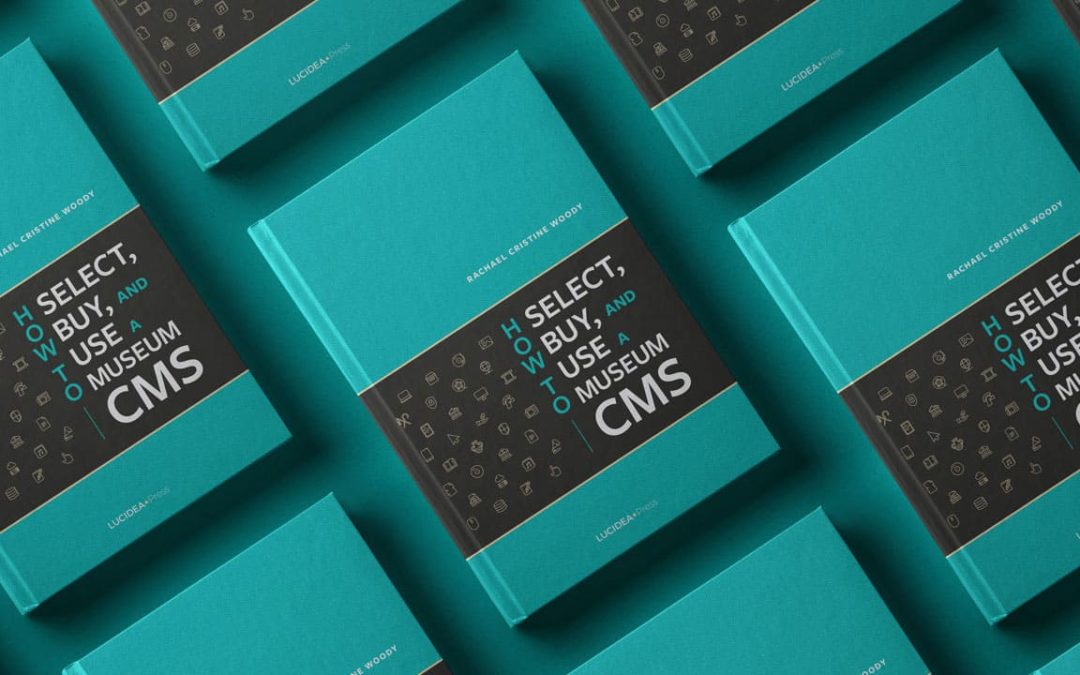
Rachael Cristine Woody’s book How to Select, Buy, and Use a Museum CMS helps you find the best collections management system for your museum.

Successful museum CMS selection includes identifying and prioritizing CMS specifications, and exercising due diligence through testing and vetting

Selection of a museum collections management system involves understanding stakeholder requirements and developing specifications for the CMS

A museum collections management system is more than a vault for data; it is a digital space for innovation, collaboration, and relationship building.

Selecting a museum collections management system includes identifying vendors, compiling criteria, deal breakers, involving stakeholders, and procurement

Museum professionals rely on the data within the CMS to assist them in making informed decisions. A better CMS will support their work – not add to it.

A museum collections management system (CMS) must meet internal stakeholder needs (collections managers, curators, educators, conservators, designers)