
What Makes a Successful Archival Project?
Archival projects have success criteria that include factors related to deliverables and objectives as well as requirements to be on time and on budget.

Archival projects have success criteria that include factors related to deliverables and objectives as well as requirements to be on time and on budget.

Archival project managers should expect problems and use techniques to modify the archival project schedule to solve issues or delays.
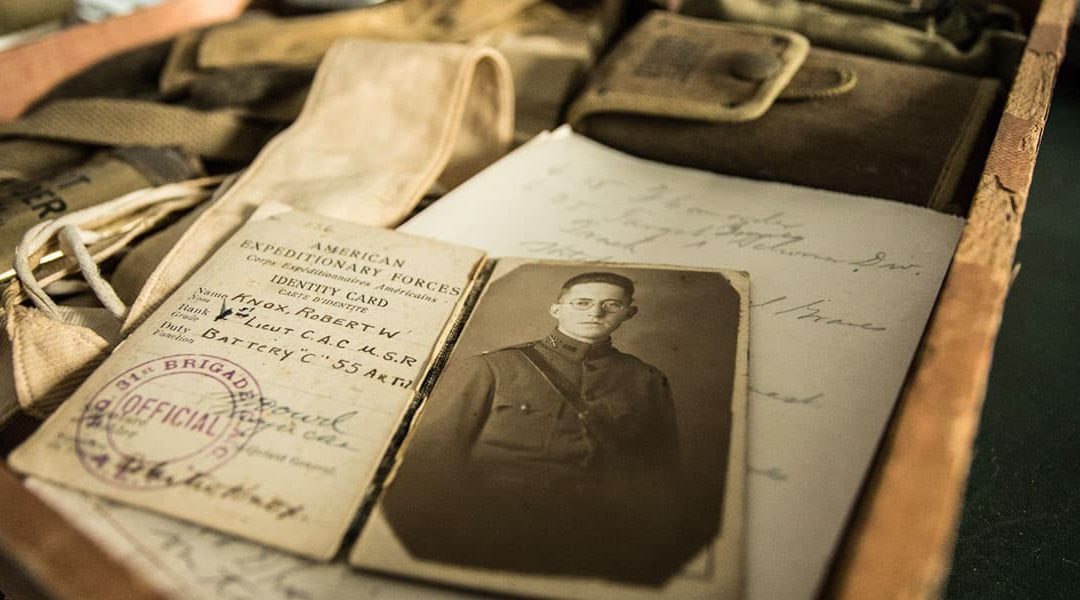
Archival projects can benefit from the critical path method (CPM) which allows archivists to see how they can best use time and resources.

Archival project procurement process includes solicitation, evaluation, selection, contracting and management of vendors and service providers.

Archival project planning should be collaborative and focused on ensuring project support and resources. Take enough time to plan an archives project.

Scheduling tips for archival projects include plan to achieve results within a specific timeframe but to offer flexibility add 10 percent extra time.

Archival project managers must ensure the transition from planning to activity is smooth, while keeping archives project time, cost, quality, balanced.
Archival projects must begin with a kickoff meeting so the archival project manager can set expectations, build commitment and define roles.
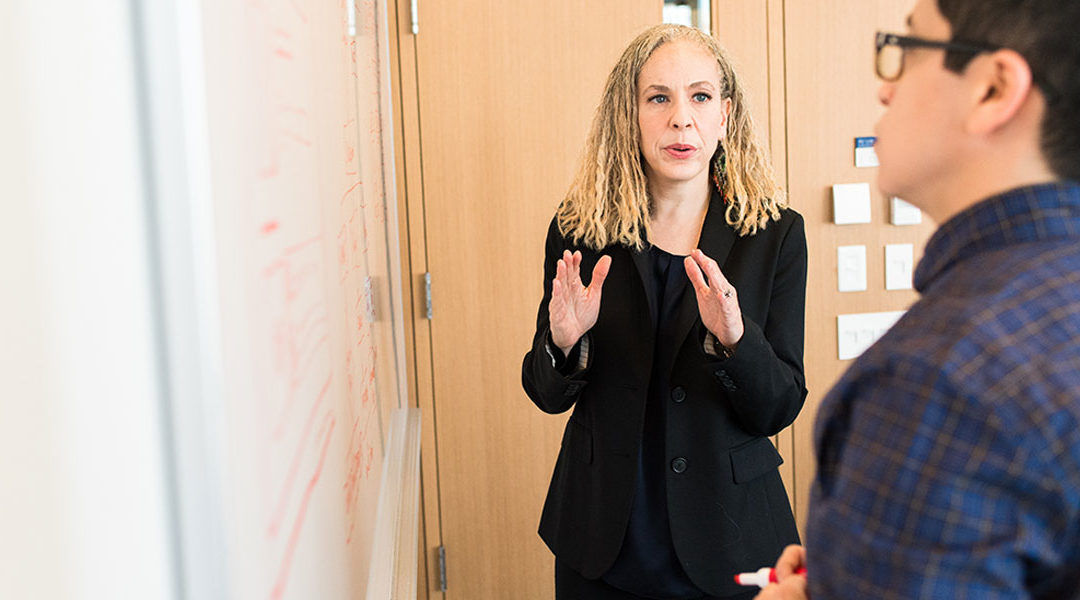
Archival project managers must be good managers and courageous leaders, committed to success and influencing. Tips for showing leadership in archival projects.

Traits of effective archival project managers. Archives project managers must both work and manage, and must have the authority to make decisions.

Digital archives preservation works best with proper digital preservation policy, covering content, scope, file format, audience.

Choosing which digital archives to preserve. Technical appraisal that considers how digital files are read, documented, processed, and preserved is critical
Archives professionals reading Lucidea’s blog in 2018 showed a strong interest in digitization and related collections management issues.

Archival preservation practices are transforming in the digital environment; there are new principles that apply to digitized and born-digital materials.

Discoveries made in personal digital archiving, coupled with best practices of larger institutions, may provide smaller archives with solutions.

The need for training in digital preservation is high. Archivists require more digital preservation training and professional development opportunities.

Continuous access to digital content requires sustainable preservation activities that necessitate both deliberate and ongoing resource allocation.
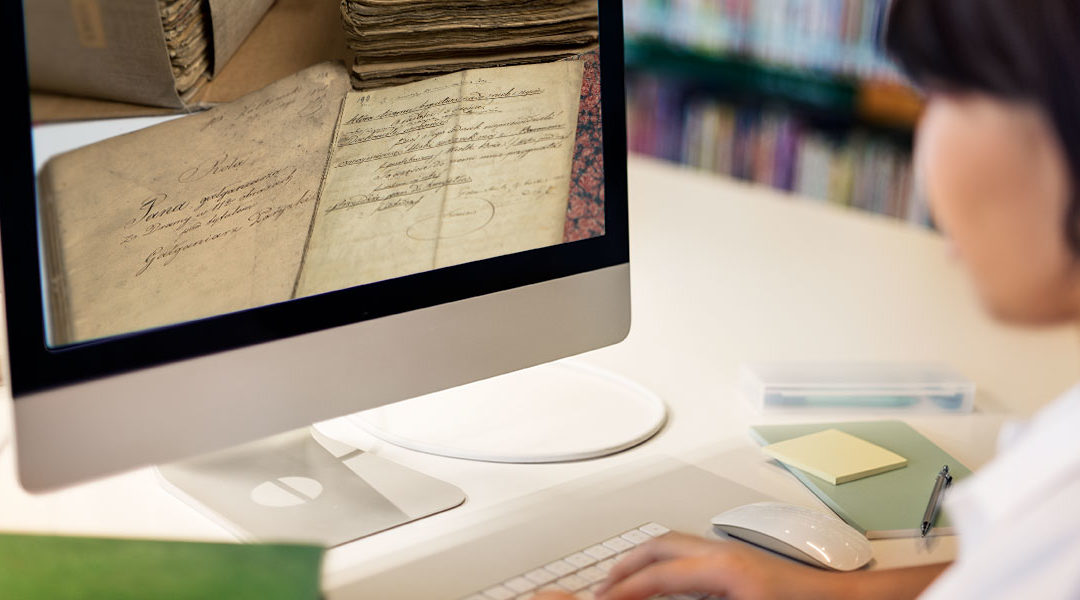
Archivists need to ensure digital preservation is embedded into business as usual. Today more archivists are addressing digital preservation concerns.

Archives project management includes eliciting requirements from stakeholders through a variety of techniques including interviews, focus groups, surveys.
Archivists support projects with SMART (specific, measurable, accurate, realistic, and time bound) goals and objectives, while staying flexible.

Archives collection-level description can be useful for images of the same subject, but problematic for collections with a variety of subjects.

Archivists take integrated approach to digital initiatives, selection to description, access to preservation, connecting practical & cultural objectives.

Archival description combines traditional library and archival practice with more focused practices found in the museum and visual resources communities.

When digitizing archives, a metadata standard appropriate to the materials in hand and the intended end-users must be selected.

Metadata is a significant cost of digital archives. Metadata creators must provide enough information to be useful but cannot afford to be exhaustive.