
The Immersive Museum Experience: The Vincent van Gogh Phenomenon

Rachael Cristine Woody
During the early 2020s, the most popular traveling art productions were centered on the works of Post-impressionist painter Vincent van Gogh. At least two companies offering similar multisensory exhibits: Van Gogh: The Immersive Experience and The Original Immersive van Gogh Exhibit. A few years later, both productions are still operating, and a third competitor has now emerged with a joint venture featuring both Monet and van Gogh.
For more background on the immersive museum trend, please see our earlier post: An Introduction to Immersive Museum Experiences.
What is an Immersive Experience?
These immersive experiences are typically staged across multiple rooms. In some rooms, the projections appear only on the walls. In other larger rooms—usually showcasing the most iconic, blockbuster artworks—the artwork is projected on every surface: walls, floor, and ceiling.
Key Features and Storytelling Infrastructure of the Van Gogh Experiences
In the Van Gogh productions, these elements combine to create a rich sensory environment that invites visitors to slow down, reflect, and experience the art dynamically:
- Multi-room layout
- Floor-to-ceiling digital projections
- Animated visual elements
- Music and sound effects
- Minimal ambient light (art as the main light source)
- Augmented Reality (AR) options
- Optional VR headsets in select exhibits
The storytelling infrastructure is as follows:
Story Path: Multiple Pathways
Storytelling Performance Types: Visual
Sensory Setting: Lighting, Sound, Color, Smell (in one or more productions)
In addition to playing with light and color, the spaces provide an ambient mood, set through music that encourages viewers to stop and linger as the images transform.
At least one of the experiences offers seating both on the floor and in chairs or benches. Given the all-encompassing view, many viewers opt to sit on the floor. With a few exceptions, the rooms are on the darker side, leaving the artwork as the primary light source.
The projections themselves are animated, with large elements shifting in and out of the frame, colored brushstrokes appearing on the screen, or movement to bring the items to life (e.g., shimmering water or gently rotating windmills). Some venues offer Virtual Reality (VR) headsets that allow visitors to experience the artwork in yet another format.
A Striking Difference in Storytelling Performance Style
A striking difference in the immersive Van Gogh experiences is the minimal use of text. Some productions include textual information on the artist and incorporate quotes as part of the projected artwork. However, inside the core experience of the artwork, text is rarely seen. Instead, visitors are guided purely by visual storytelling
This raises an important question: If there’s no narrative text or oral commentary, is it still a story? The answer is yes.
“Visual” is one of the main storytelling performance types for museum exhibits (alongside oral and written) and tells a story through pictures, dance, or sign language.
A Unique Experience (and Business Model)
These experiences differ from traditional museum exhibits in both content and cost structure:
- No permanent venue. The van Gogh experiences are temporary to the locations they visit. There are no ongoing building and maintenance costs.
- Limited availability. The temporary productions capitalize on local hype and opportunity scarcity.
- Digital-only artwork. The shows feature digital reproductions of Van Gogh’s works. There are no original pieces to acquire, care for, ship, track, or insure—removing major cost burdens associated with permanent collections.
- Lean staffing model. There’s very little staff needed—mostly just production and ticketing roles. There is minimal interpretive work and no collections management or conservation team.
This approach removes several of the largest cost centers for museums, including staff. While this model offers financial efficiency, it raises important questions about the role of human expertise in curatorial work and cultural interpretation.
Should museums embrace this approach? Not necessarily. But the popularity and creative innovation of the Van Gogh experiences is something for the museum field to study and pay attention to.
What’s Next: Permanent Immersive Experiences
As shown in this breakdown of the Van Gogh experiences, there is quite a difference between these productions and traditional museum exhibits. As a point of comparison, the Van Gogh experiences are the only mobile examples we’ll cover in this series.
Next week, we will shift focus to explore the first of two permanent immersive venues, starting with The Outernet in London, England.
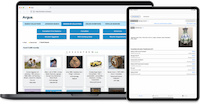
Seeking a high-tech museum CMS that allows you to offer engaging, context-rich experiences for your visitors? Get in touch to learn about Argus!
Rachael Cristine Woody
Rachael Woody advises on museum strategies, digital museums, collections management, and grant writing for a wide variety of clients. She has authored several titles published by Lucidea Press, including her latest: The Discovery Game Changer: Museum Collections Data Enhancement. Rachael is a regular contributor to the Think Clearly blog and presents a popular webinar series covering topics of importance to museum professionals.
Curious about this topic? Please join museum expert Rachael Cristine Woody for An Introduction to the Immersive Museum Experience on Wednesday, July 30, 2025, at 11 a.m. Pacific / 2 p.m. Eastern. Registration opens soon!
**Disclaimer: Any in-line promotional text does not imply Lucidea product endorsement by the author of this post.
Never miss another post. Subscribe today!
Similar Posts

Shared Resilience: Museum and Affinity Group Partnerships
Successful museum-affinity group partnerships are based on turning cultural capital into community capital, offering multiple benefits for the group and the broader community, all thriving within the museum ecosystem.
Culture on Tap: The Power of Commercial-Cultural Partnerships
When cultural heritage aligns intentionally with local business goals, it unlocks a powerful value exchange that transforms heritage into an economic engine, aligning historical narratives with local commerce.
Civic Catalysts: How Museums and Local Governments Build Resilient Communities
Building alliances with local government shifts museums from the margins of community planning directly into the center of civic life. Detailed analysis of how the resulting ecosystem fortifies museum operations.

Joint Ventures in Museopreneurship: 3 Collaborative Models
The future of museum sustainability belongs to institutions that lean into collaboration rather than isolation, through shared art acquisitions, innovative brand franchising, or membership networks, amplifying impact while mitigating risk.
Leave a Comment
Comments are reviewed and must adhere to our comments policy.
0 Comments