
The CMS Digital Exhibit and Story Pathways
Digital exhibits provide powerful ways to engage audiences, but choosing the right story pathway is key. Explore how different exhibit structures—linear vs. multi-pathway—shape the visitor journey.

Digital exhibits provide powerful ways to engage audiences, but choosing the right story pathway is key. Explore how different exhibit structures—linear vs. multi-pathway—shape the visitor journey.

Visual tools such as zoom are crowd pleasers when presenting visual content online, allowing museums to create immersive and engaging digital experiences.
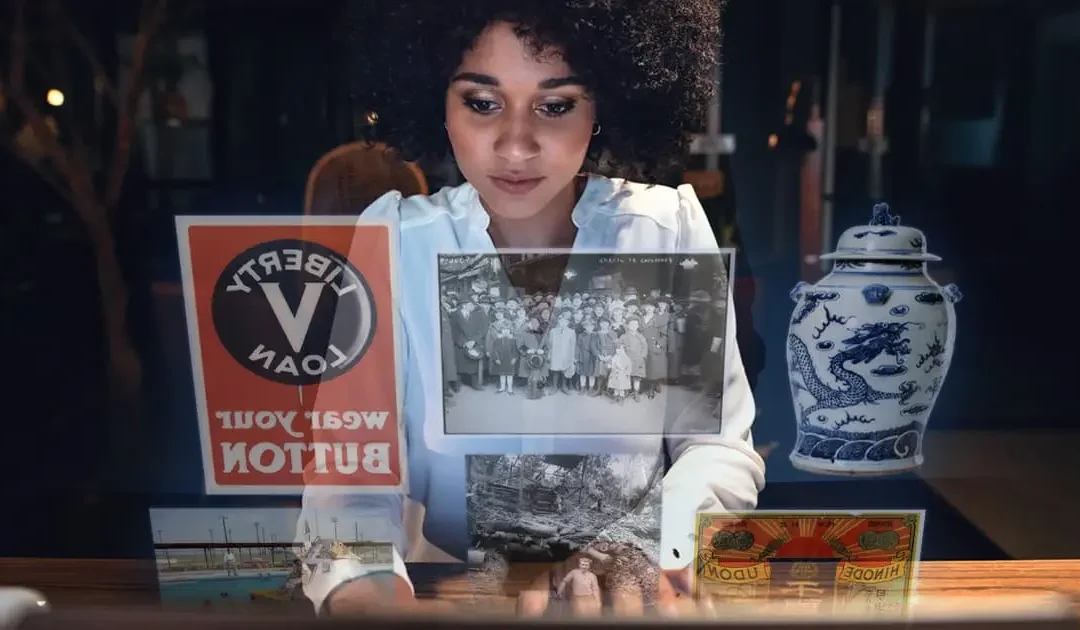
Staffed archives are in constant motion in their attempt to provide and broaden access to the archival collections.

Standard museum cataloging leverages the usual set of fields that are considered best practice. We tend to refer to this information as “the tombstone information,” meaning it is clear and concise in communicating the “need to know” information.
Lucidea to sponsor the 2024 MAM conference; leader in innovative collections management software and developer of ArchivEra and Argus.
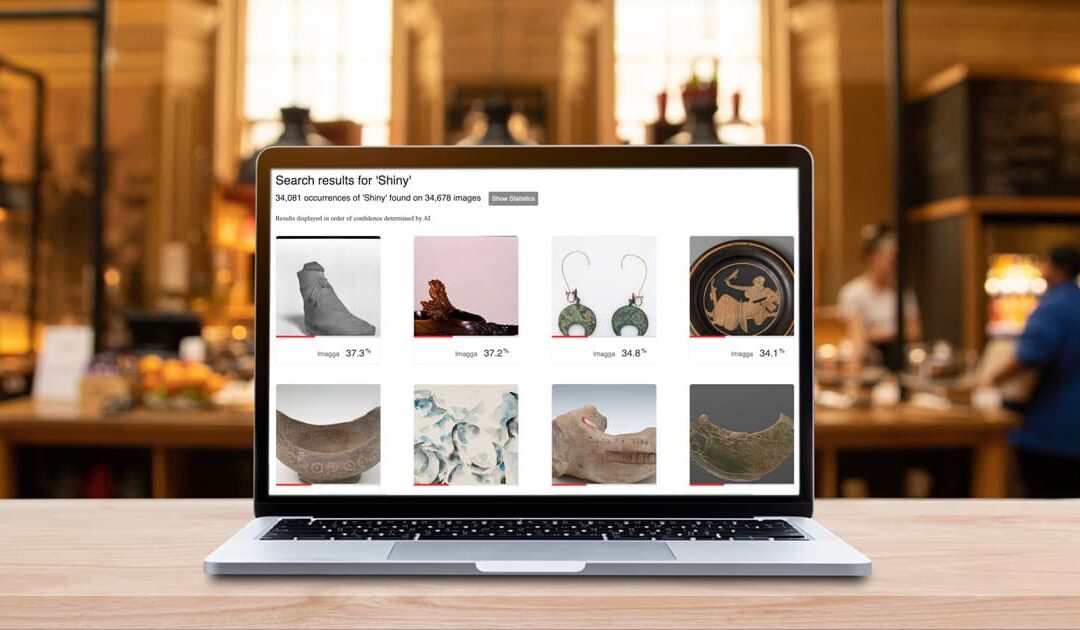
What excites me the most about Generative Artificial Intelligence (GenAI) application to museum work is its potential to improve discoverability of museum collections online.
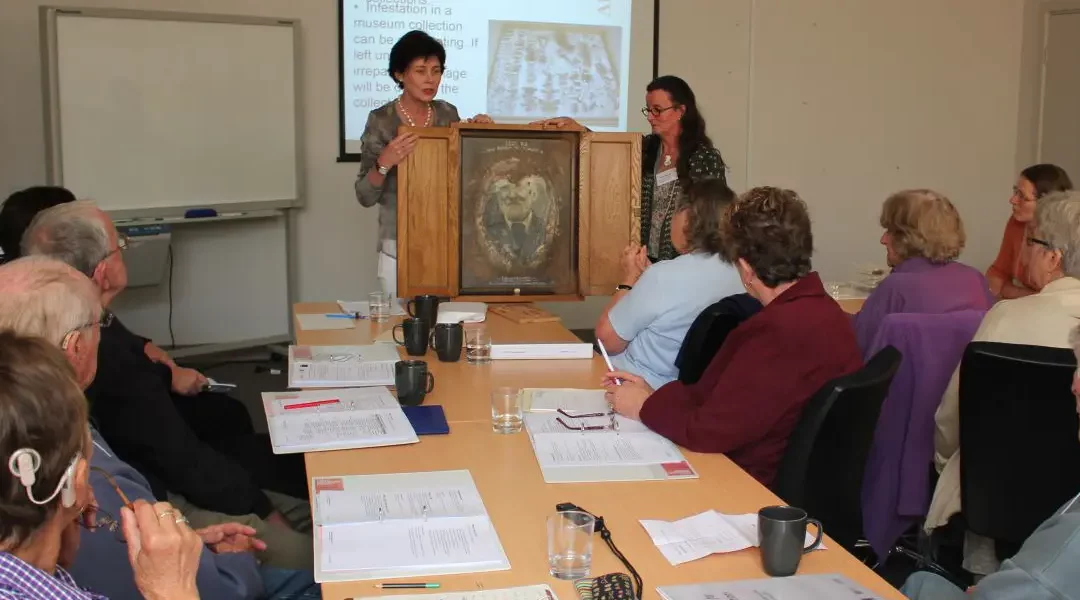
Training is critical to a successful digital project and is where using a consultant can yield a high Return on Investment (ROI).
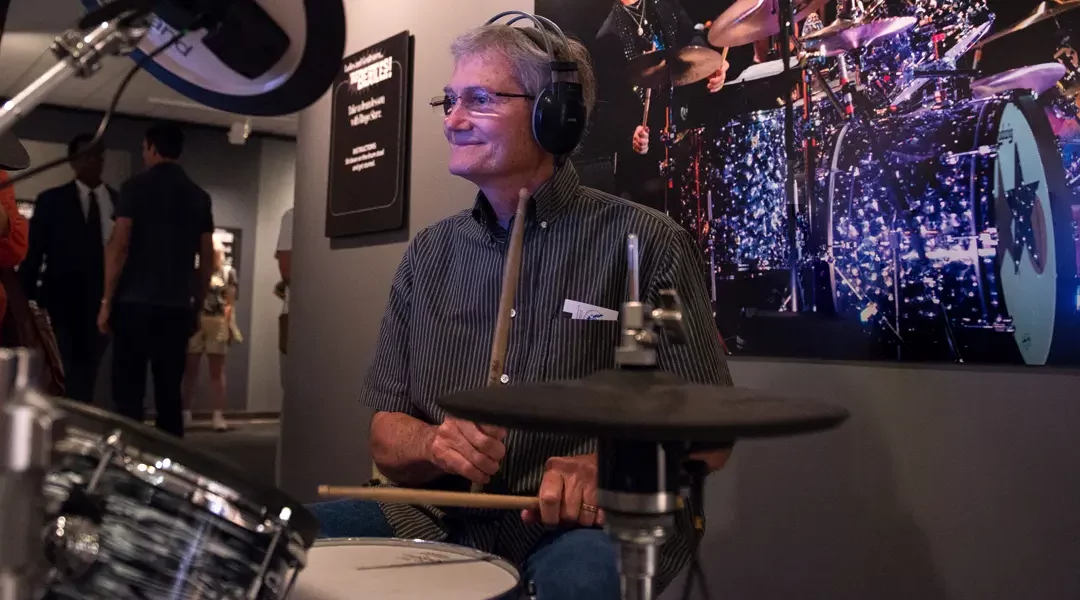
Analysis of some of society’s broader physical infrastructure issues that keep seniors from fully participating in the museum world.
Digitization is not a reason for disposal of the original, especially in archives. Digitization is a preservation tool, not a replacement tool.
It’s a myth that digitizing museum collections is too expensive, slow, or hard from a technical perspective. Provides context and ideas.
To determine digital project workflow, project activities need to be defined, standards and specifications considered, and resources identified.
A museum digital project usually involves costs of training and education, increased personnel capacity, or working with a consultant
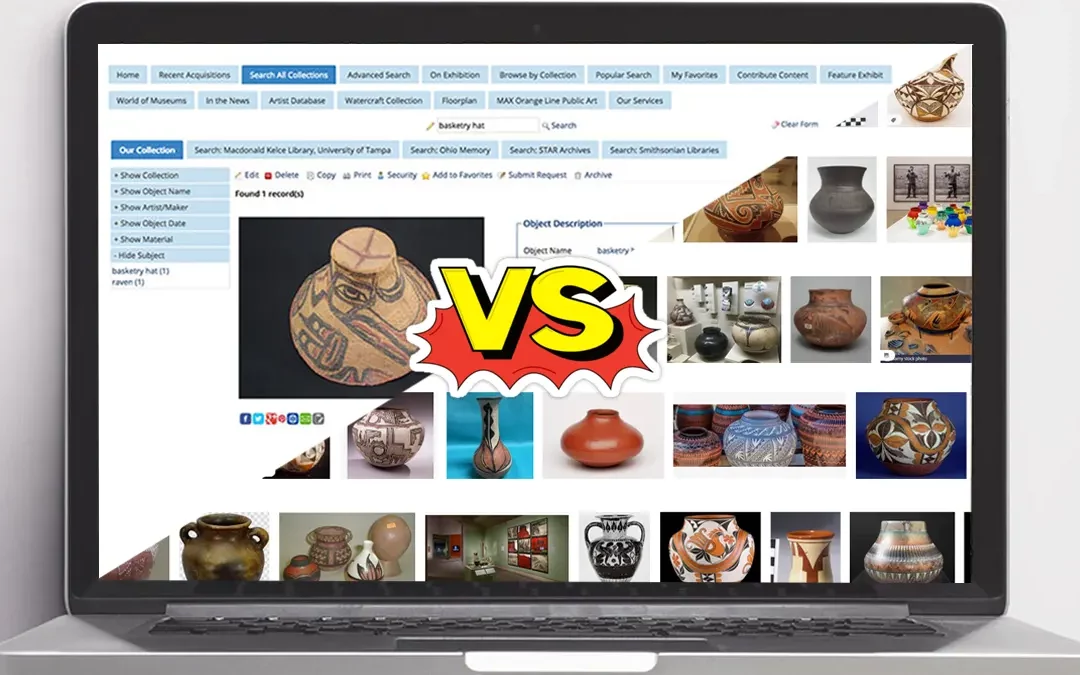
If your museum has a CMS but not a DAMS (and no budget for a DAMS) there are a few ways you can creatively construct a “for now” DAMS solution.
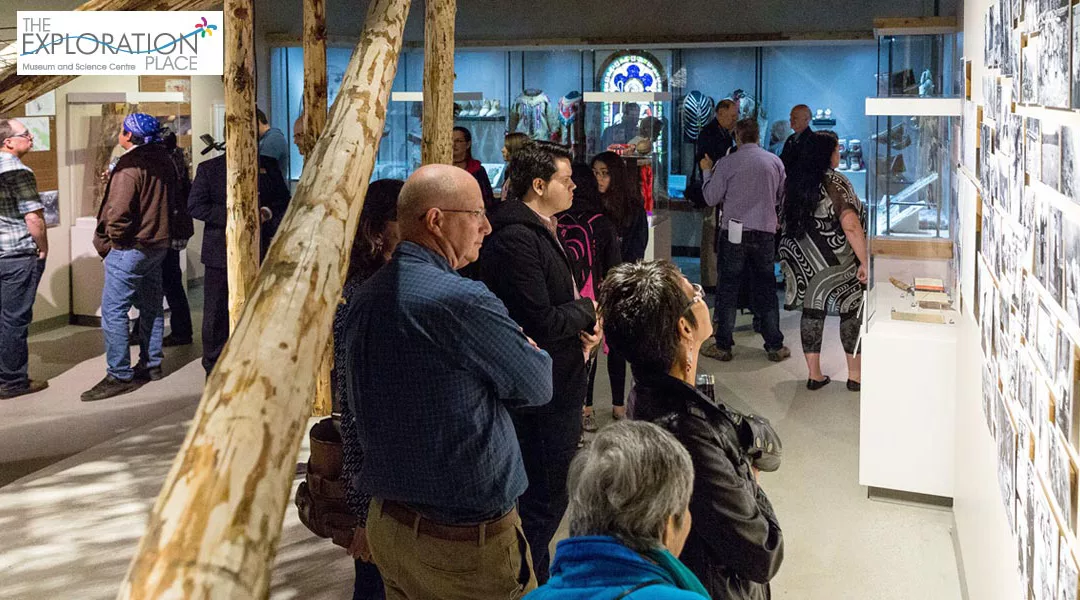
The Exploration Place in British Columbia uses the Argus CMS to support a wide variety of collections and requirements, building a cultural community
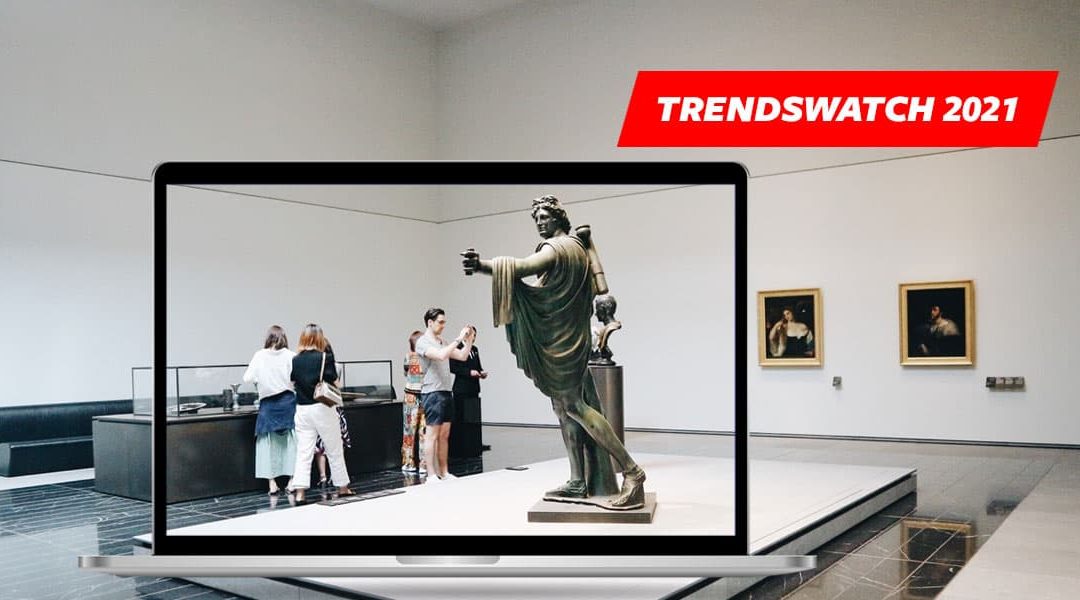
The third in a series of 6 posts from Rachael Cristine Woody analyzing the elements of AAM’s Center for the Future of Museums TrendsWatch Report 2021

Digital museum collections work and the CMS tools we use are more essential now than ever; this will likely remain true post-pandemic.

DAMS and CMS platforms have similar functionality, but there are differences in how well those work and whether they meet museum requirements.
Collections management systems and digital asset management systems have similarities and meet similar needs; expert guidance on the differences
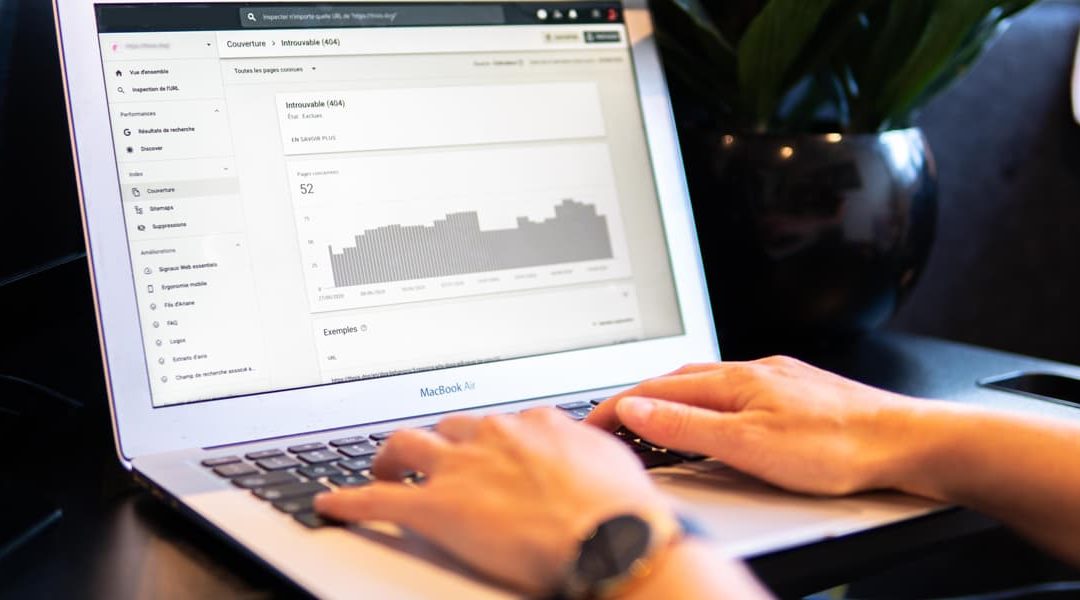
A museum’s digital presence is just as important as its physical presence; we need to start using our CMS data when we speak about collection value.

Digital museum SEO is a continual practice; investing in and maintaining good SEO should be incorporated into routine maintenance of your museum CMS.

The ability to upload, publish, and engage with multimedia files within the museum CMS is critical to meeting user experience (UX) best practices

Your museum CMS must accommodate mobile-first or mobile-primary users due to the reality of pandemic-induced working from home into the future
Evidence of a museum CMS helping you do your job better is important; also tell your boss how the CMS is a good choice for the museum as a whole.
Learn how to evaluate an off-the-shelf (packaged) museum CMS based on Top Things to Look For (intuitive, customizable, adaptable) and Things To Avoid

Museum workers can focus on digital museum projects while working remotely; digital asset cleanup, digital collections management, and digital strategy