


Corporate archives have undergone a remarkable transformation in recent years. Once viewed as repositories for preserving historical records and artifacts, they are now recognized as valuable business assets that strengthen brand identity. As organizations generate volumes of digital information and operate in competitive markets, the role of the corporate archivist has expanded.
The future of corporate archiving lies in its integration with core business functions. Archives contribute to marketing, product development, legal compliance, corporate communications, and executive leadership. Organizations that recognize this shift are positioning their archives as essential components of success.
Embedding Archives
Archivists are active participants in organizational planning and collaboration. By working with marketing teams, product designers, legal departments, communications professionals, and executives, archivists identify opportunities where their assets create business value. Historical advertising campaigns may inspire new branding initiatives. Product development teams study previous innovations to guide future designs. Legal departments rely on records to support intellectual property claims and regulatory compliance. This collaborative approach allows archivists to anticipate needs rather than react to them.
Technology as a Catalyst
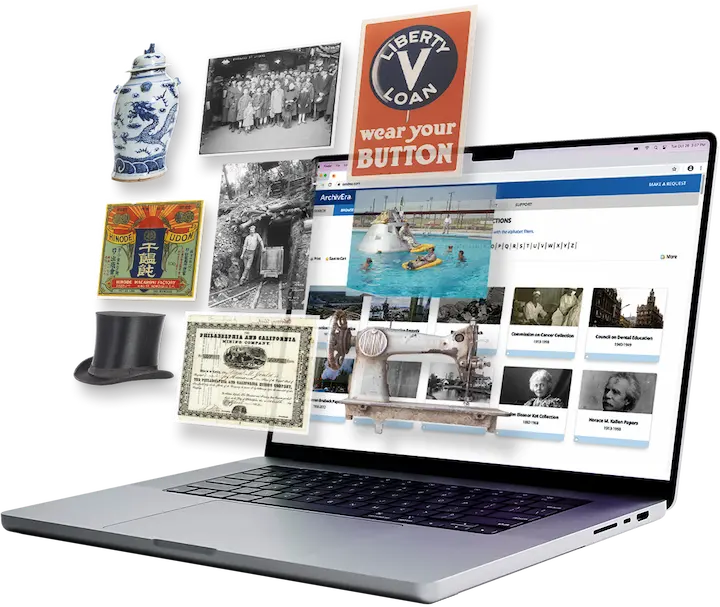
Technology redefines corporate archiving. As organizations accumulate collections of files, emails, photographs, videos, technical drawings, and multimedia assets, traditional methods of organization become insufficient. Many corporate archives are evolving into sophisticated software environments that provide enterprise-wide access to users. Metadata standards, advanced search capabilities, and workflows allow employees to locate resources.
Artificial intelligence further enhances these capabilities. Machine learning tools can assist with image recognition, document classification, metadata generation, and content discovery, reducing the time required to organize and retrieve information. These technologies improve operational efficiency and the value of the archives.
Consider an apparel company developing a new collection inspired by vintage designs. A designer could search the organization’s archives and access high-resolution images, textile specifications, original color palettes, and production records from collections created decades earlier. The ability to retrieve this information within minutes transforms the archives into a practical tool for innovation.
Transforming Heritage
Corporate archives also play an important role in brand storytelling. While archival collections contain confidential business information that cannot be disclosed, curated materials can reinforce organizational identity.
Organizations use their archives to develop exhibitions, publications, interactive timelines, films, initiatives, and social media campaigns that highlight milestones. These projects allow companies to share authentic stories.
Luxury manufacturers provide a strong example of this approach. Automotive companies, watchmakers, fashion houses, and premium brands emphasize decades of craftsmanship and innovation. Their archives contain documentation verifying these claims, including original product designs, engineering records, patents, photographs, advertising campaigns, and executive correspondence.
This history adds credibility that cannot be replicated through contemporary marketing alone. Authentic archival evidence reinforces a company’s reputation and strengthens emotional connections with customers who value tradition and quality.
Evolving Roles, New Skills
As the responsibilities of corporate archives expand, the skills required of corporate archivists are evolving as well. Archivists combine expertise in records management and historical preservation with knowledge of information technology, data governance, intellectual property, and business operations. Communication and project management skills have become equally important, as archivists collaborate with multiple departments and present the value of archival initiatives to organizational leadership.
Corporate archivists help organizations manage information while balancing access, security, preservation, and business priorities. Their work requires diligence, an understanding of organizational goals, and planning.
Shaping the Future
Every organization builds a legacy through its achievements. Corporate archives preserve institutional memory, ensuring that knowledge endures as technologies evolve, employees retire, and priorities change. When managed with vision and integrated into organizational strategy, corporate archives support innovation by making knowledge accessible, protect legal and intellectual assets, and preserve the organization’s identity.
The future of corporate archiving is defined by preservation and purposeful engagement with the present. As businesses navigate technological change and market demands, archives remain an essential source of continuity. History, when preserved and applied, becomes one of an organization’s most valuable resources for building its future.





What kind of boxes are those in the illustration?
Another well argued case for corporate archives in the contemporary world. Thank you.