
7 Practical Steps for Starting an Archives
Once the need for an archives is established and the necessary approvals have been secured, the next phase involves setting up the archives.

Once the need for an archives is established and the necessary approvals have been secured, the next phase involves setting up the archives.
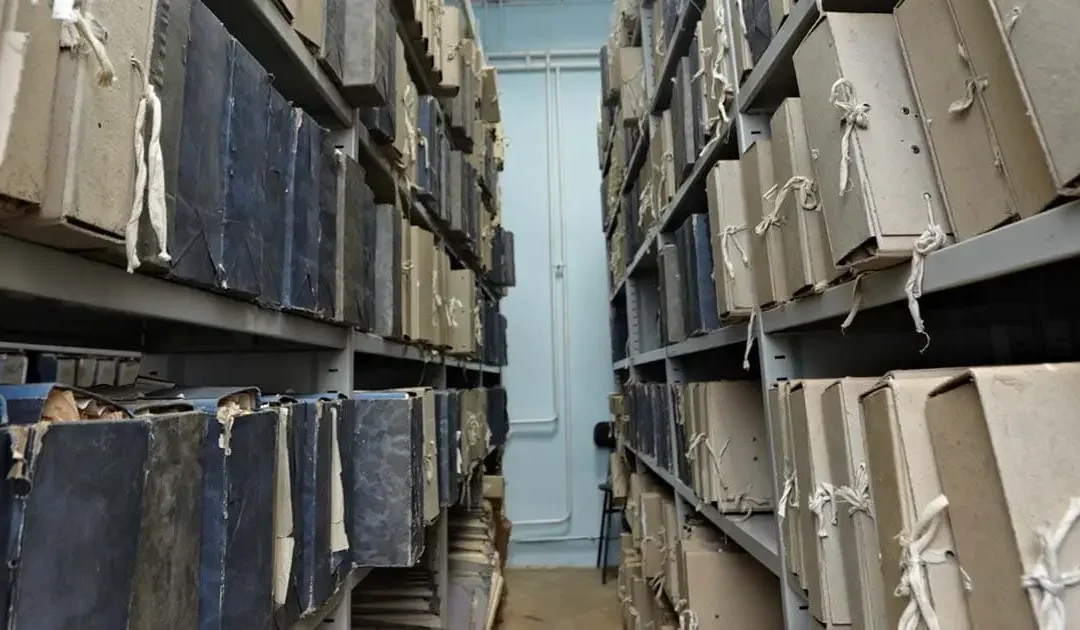
Starting an archives in any institution is crucial to preserving its history and ensuring that vital records are maintained for the future.
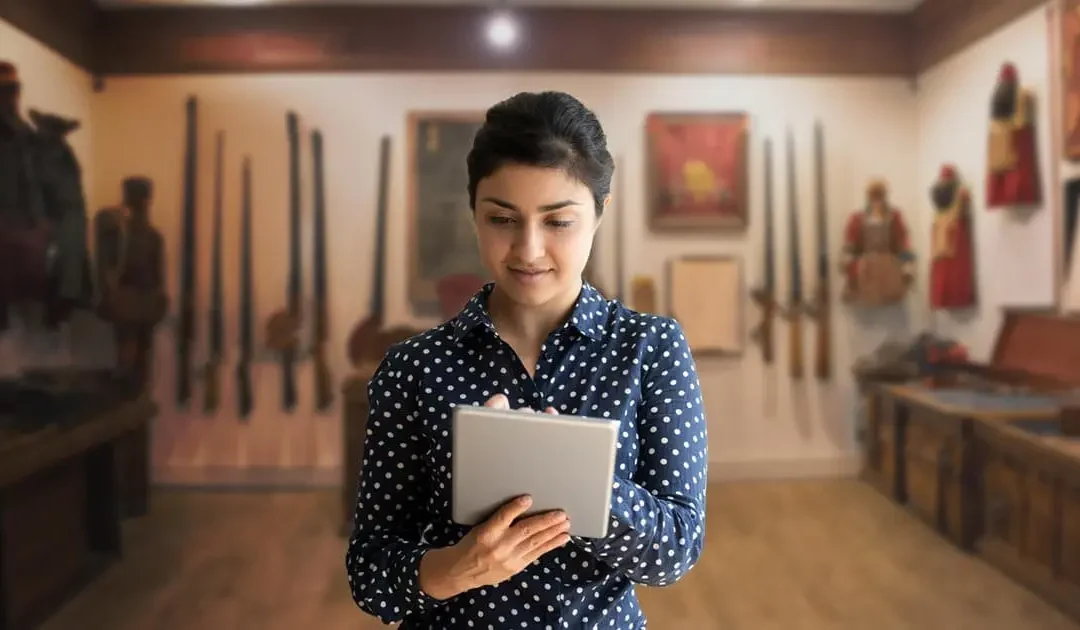
Archival surveys are powerful tools for improving collection management. By surveying collections, archivists can gather essential data that inform preservation, access, and resource allocation.

I recently interviewed Grace Muñoz about her work at the Texas Archive of the Moving Image. Her work on improving the discoverability of the multimedia collection is fascinating.

Conducting a comprehensive archival survey is critical to successfully managing archival collections.

Dr. Jae Rossman wrote Access to Special Collections and Archives, available now from Rowman and Littlefield. The book is an excellent resource for special librarians who work with special collections and archival materials.
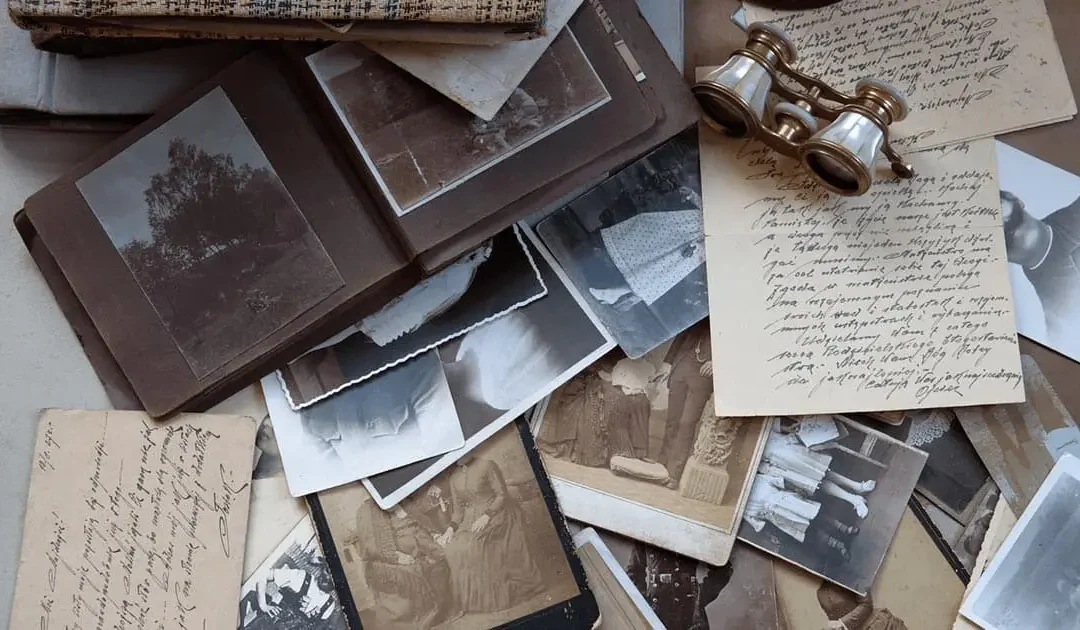
The Catholic Diocese of Arlington’s Director of Archives selected ArchivEra to manage their collections of historical and cultural significance, and strike a balance between security and access.
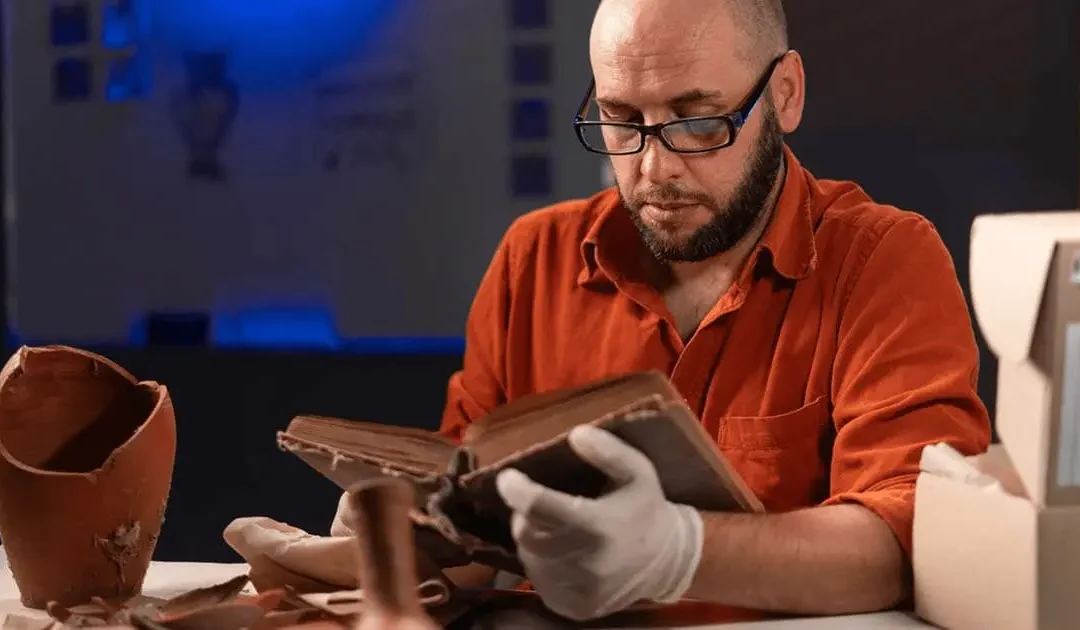
The transformative power of storytelling depends upon the strategic choices that top archival performers make and the shift from being record-keepers to change agents.

Effective measurement is the key to assessing the impact of archival endeavors. Archivists play a crucial role in preserving historical records, and their efforts are best evaluated through well-defined benchmarks.

Archivists can learn to measure and showcase their contributions using methodologies, metrics, and narratives.

Long-term preservation is essential to ensure digital archives remain accessible and usable.

Archivists have developed best practices for organizing and maintaining personal digital archives, safeguarding digital legacies for future generations.
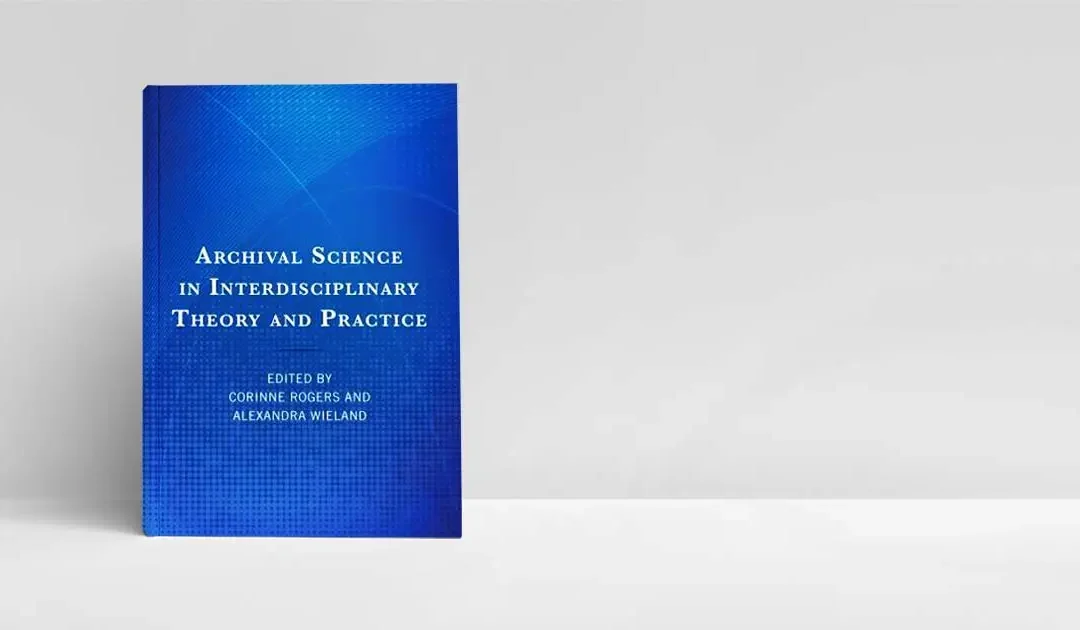
Alexandra Wieland and Corinne Rogers co-edited Archival Science in Interdisciplinary Theory and Practice. My interview with them is below.

Archivists often help individuals manage and preserve digital files of personal significance.
Leadership should take center stage in the archival profession. The essence of leadership lies in embracing change and fostering innovation.
Lucidea to sponsor the 2024 MAM conference; leader in innovative collections management software and developer of ArchivEra and Argus.
A unique challenge arises in the intricate world of archives—the risk of archivists being perceived as self-promoters.

In archives, leadership is not merely a role but a proactive stance transcending the archival domain’s boundaries.

Digital preservation is crucial to safeguarding cultural and historical heritage for future generations.
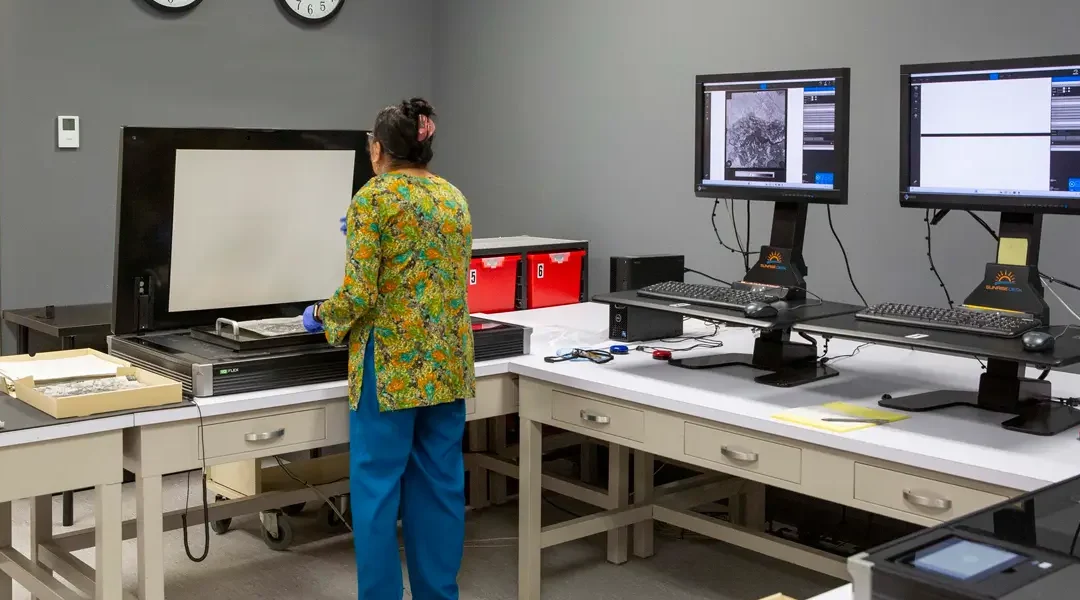
Archivists leverage technology to unearth data-driven revelations from historical materials, extracting valuable insights.
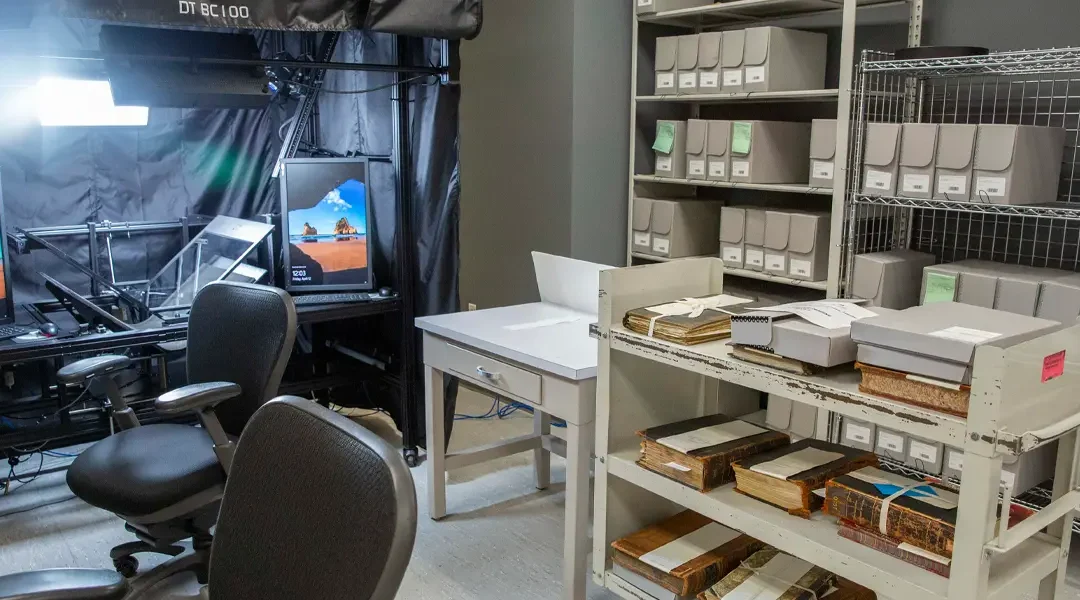
Digitization is a pivotal tool archivists use to transform historical artifacts into searchable and shareable resources.
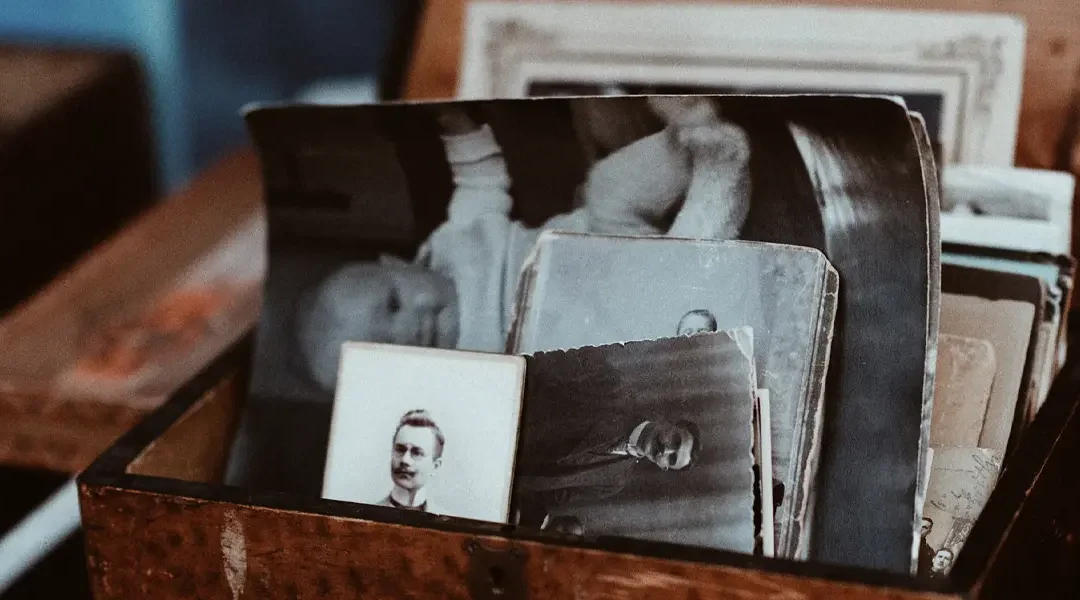
Effective governance is key to family office success. Archives mitigate risks by documenting legal structures, compliance, and governance protocols.
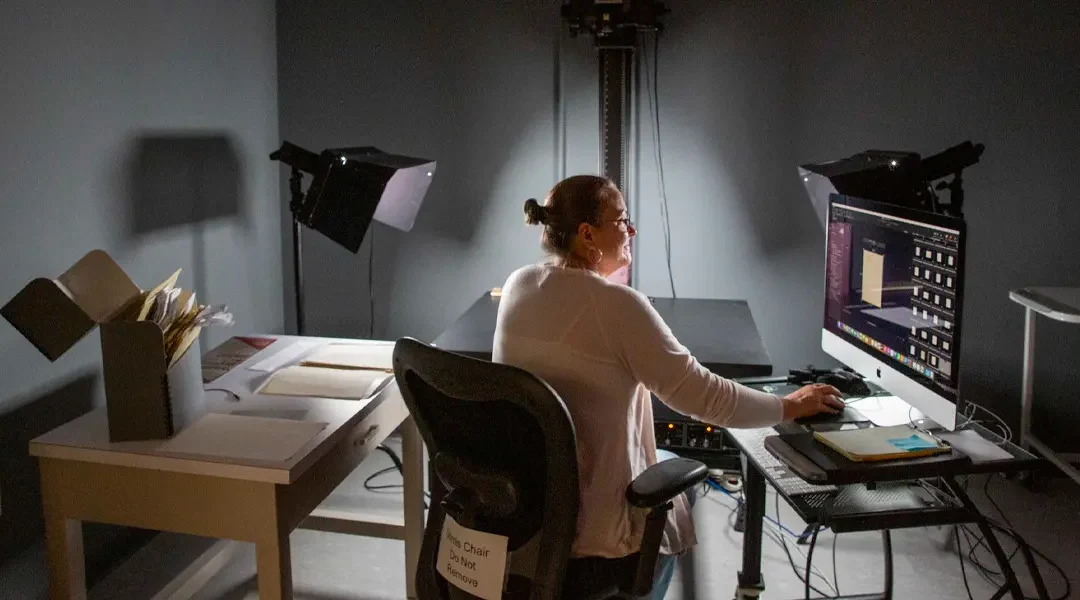
Archivists have adopted technology to transform collaborations; digital platforms enable communication, project management, and resource sharing
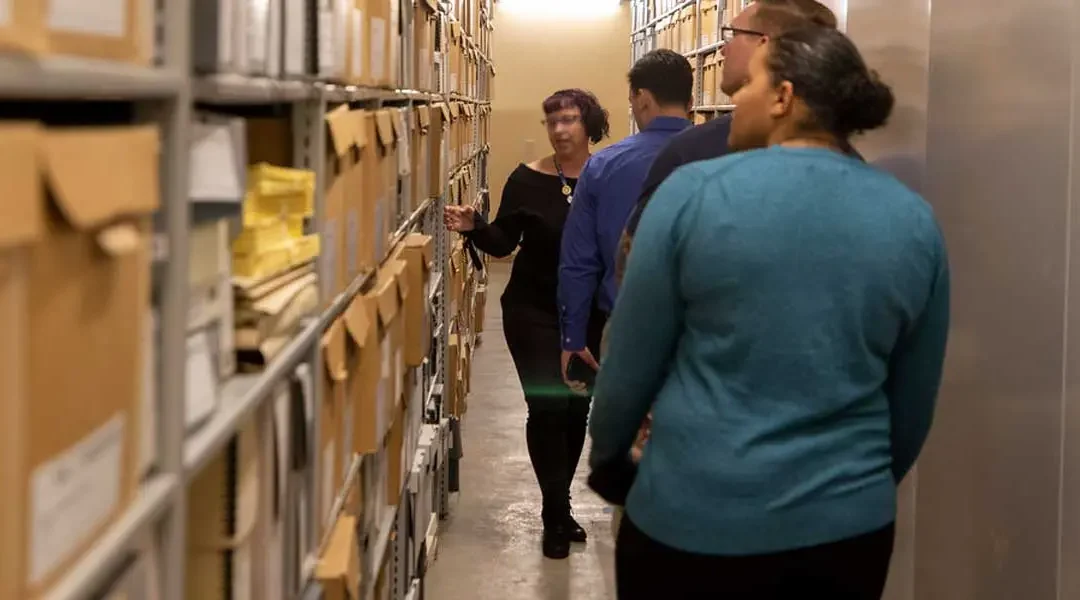
Archivists can solidify their position as valuable collaborators by showcasing the tangible impact of their contributions.
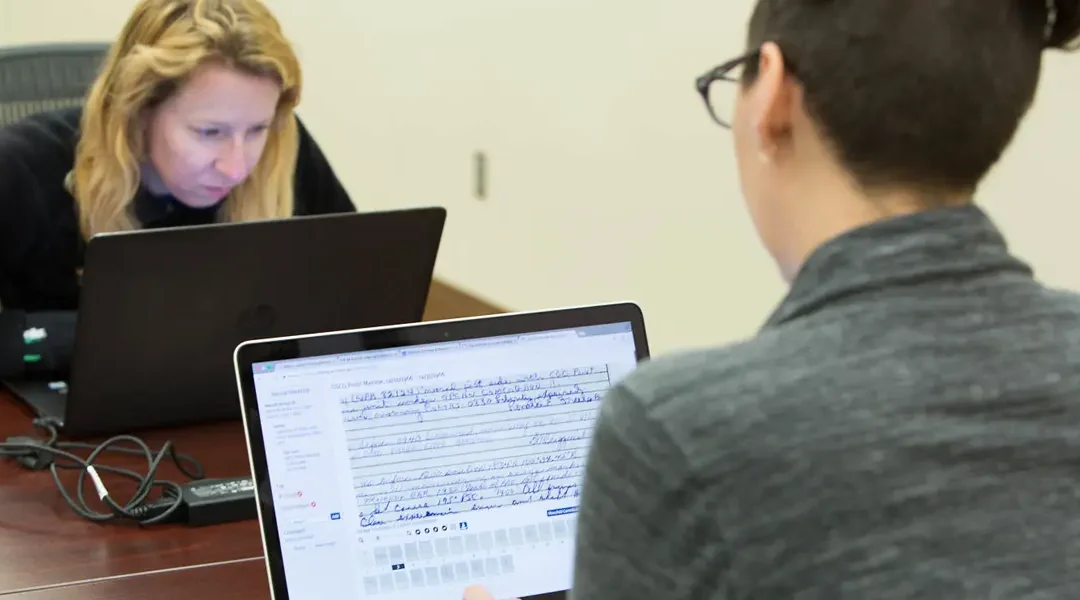
Collaborative projects are instrumental in showcasing how archival collections can benefit various organizational departments.